
Recent studies demonstrate that smartwatches equipped with advanced sensors significantly outperform traditional routine medical examinations in detecting atrial fibrillation (AFib), a common irregular heart rhythm linked to increased stroke risk.
A landmark randomized controlled trial called the EQUAL Study, published in the Journal of the American College of Cardiology in 2026, involved older adults at elevated risk for stroke (such as those with hypertension, diabetes, or prior heart conditions). Participants using an Apple Watch for continuous monitoring—combining photoplethysmography (PPG) for passive pulse checks and on-demand single-lead ECG—showed markedly higher detection rates. Over a six-month period, new AFib cases were identified in 9.6% of the smartwatch group, compared to only 2.3% in the standard care group relying on periodic doctor visits and symptom-based assessments. This translated to roughly four times more detections (hazard ratio 4.40), with many cases being asymptomatic and previously undetected.
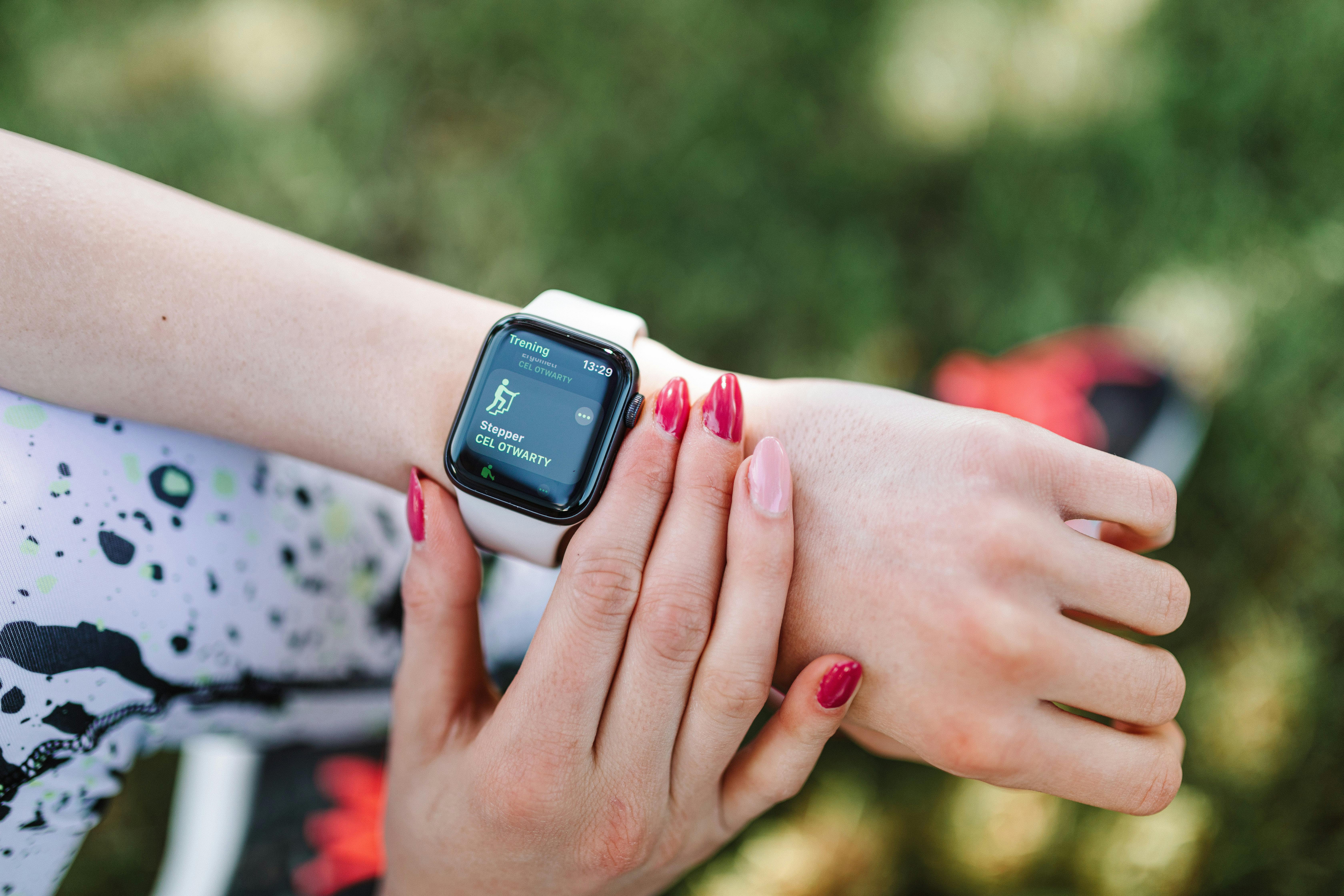
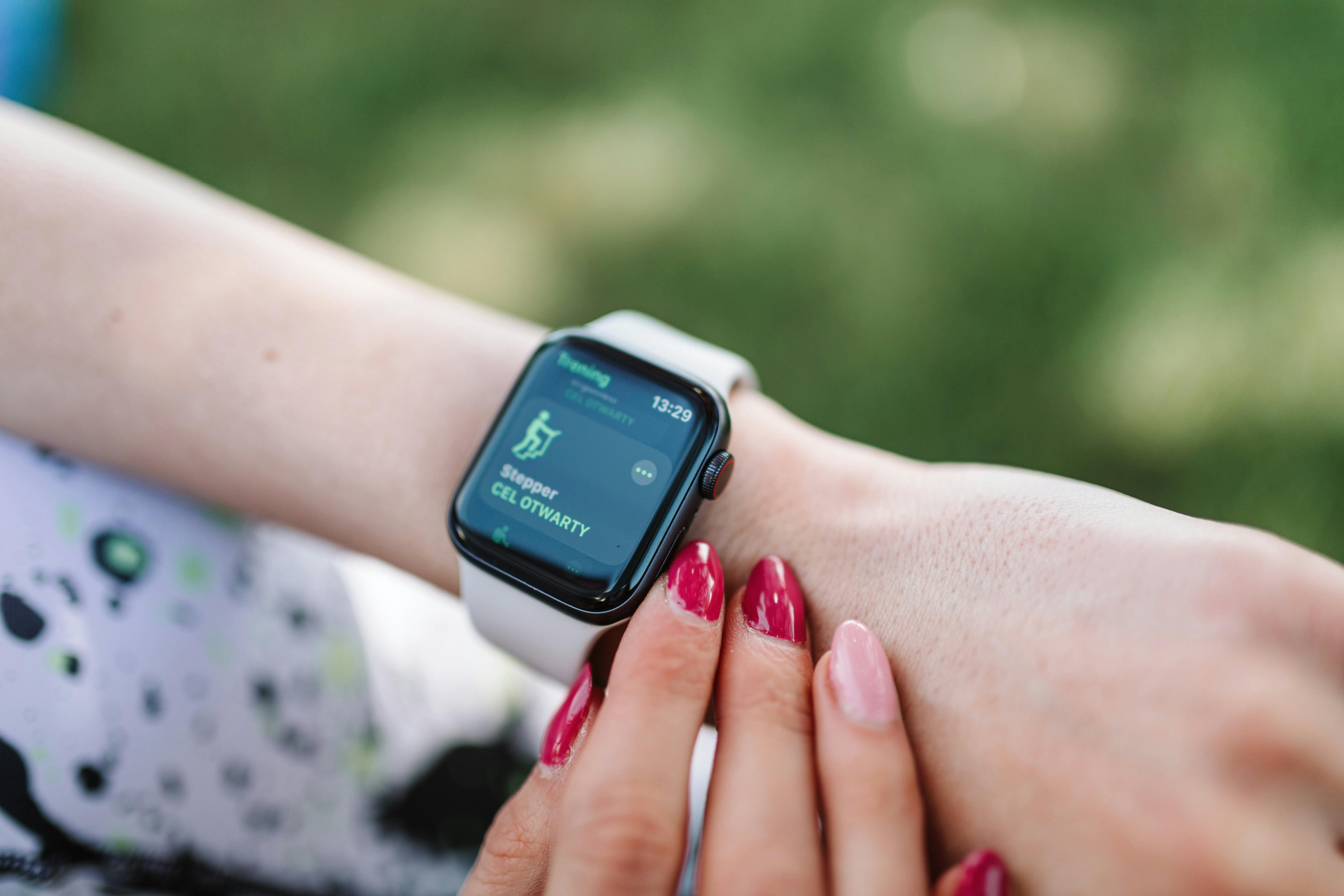
The technology works by continuously analyzing pulse irregularities via optical sensors and allowing users to take quick ECG readings when prompted. This enables capture of intermittent or silent episodes that frequently go unnoticed during standard check-ups, which are often spaced weeks or months apart and depend heavily on reported symptoms.
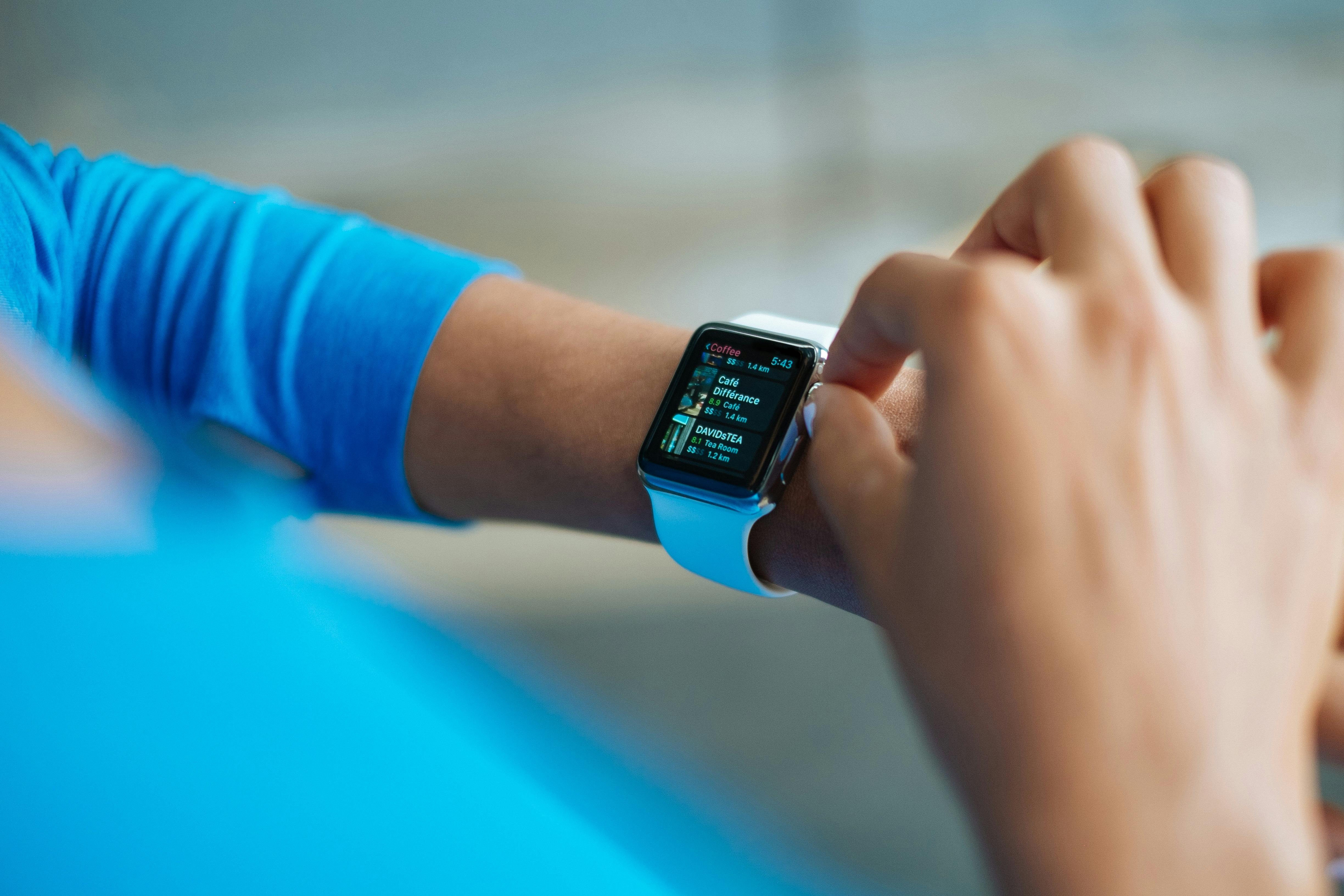
Supporting evidence from multiple systematic reviews and meta-analyses (including those published in JACC: Advances and other journals in 2025) confirms the high diagnostic performance of devices like the Apple Watch. Pooled data show sensitivity around 94-97% and specificity of 95% or higher when compared to gold-standard 12-lead ECGs for confirming AFib. These accuracy levels make smartwatches a reliable tool for early screening, particularly in high-risk populations.


Experts emphasize that earlier detection through wearables can facilitate timely interventions, such as anticoagulation therapy, potentially reducing stroke risk. However, smartwatches are not a standalone solution. False positives or inconclusive readings can occur, and professional confirmation via clinical ECG or specialist evaluation remains essential for diagnosis and management.

In summary, integrating consumer-grade wearables like smartwatches into screening protocols represents a promising advancement in preventive cardiology, offering superior detection over conventional methods while complementing—not replacing—expert medical care. Individuals experiencing symptoms or with risk factors should discuss wearable data with their healthcare provider for personalized guidance.


Comments