
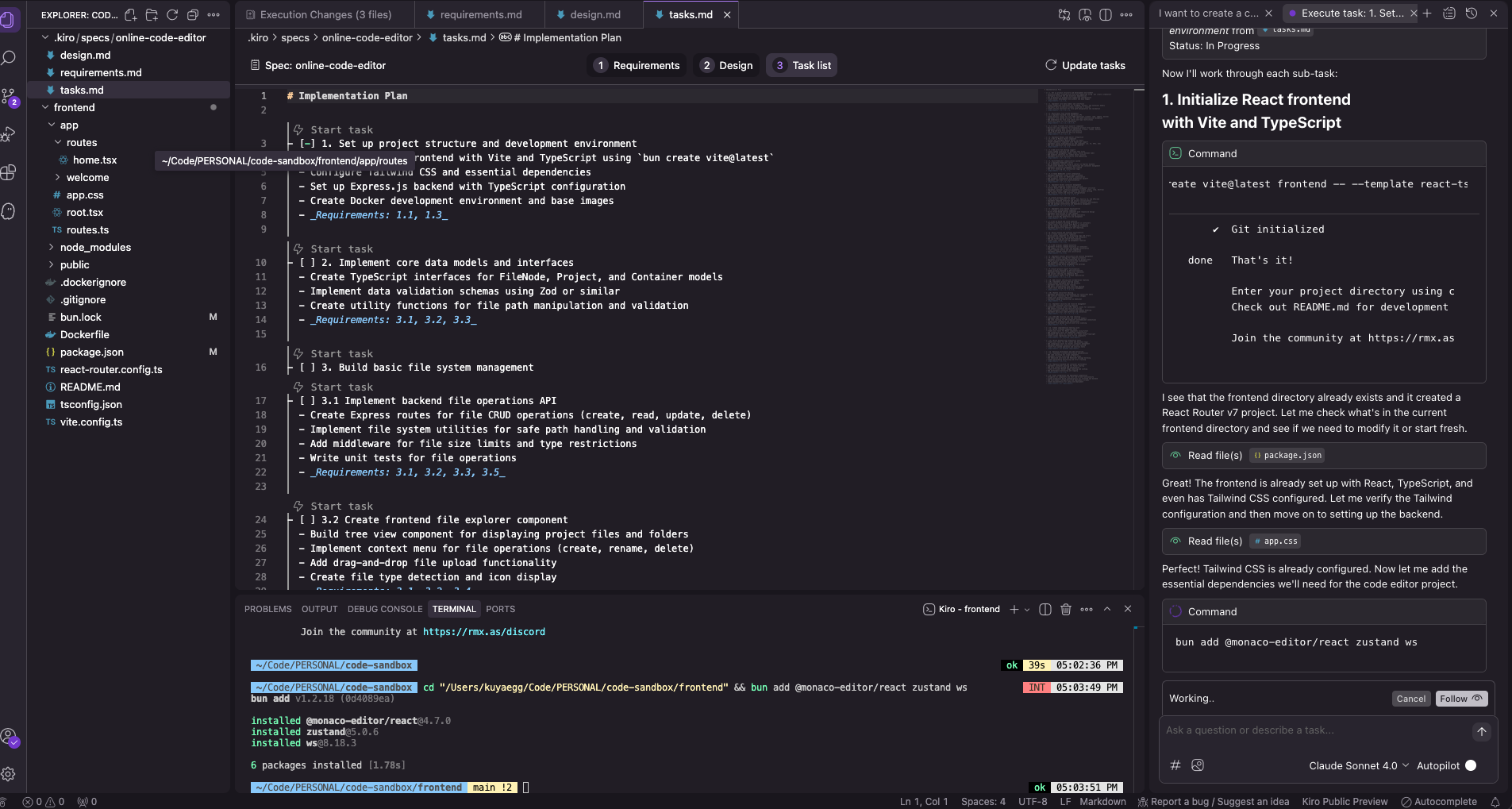
Amazon is pushing hard for AI in everyday coding at the company, with a bold new goal: get 80% of its developers using AI tools for coding at least once a week. This push, reported in early 2026, comes with one big catch—developers are expected to lean on Amazon's own in-house AI coding assistant, Kiro, instead of reaching for third-party options.
Launched back in July 2025, Kiro is built as an "agentic" AI-native tool powered by Amazon Bedrock tech. It shines with spec-driven development: you describe what you want in plain language, and it spits out detailed specs, architecture designs, full code, docs, and even tests to help turn rough ideas into production-ready work. It supports autonomous agents, CLI workflows, and a clean VS Code-like interface for a smooth dev experience.

Amazon Wants 80% of Devs Using AI Weekly—But Stick to Kiro
An internal memo from November 2025 (signed by senior VPs Peter DeSantis of AWS Utility Computing and Dave Treadwell of eCommerce Foundation) laid it out clearly: the company doesn't plan to support extra third-party AI dev tools going forward. Kiro is positioned as the go-to "recommended AI-native development tool," especially for anything touching production code.
- Tools like OpenAI's Codex got flagged "Do Not Use" after internal security and review checks.
- Anthropic's Claude Code saw temporary blocks (later loosened a bit, but still needs special approval for prod work)—even though Amazon pumps billions into Anthropic and sells Claude access to customers through AWS Bedrock.
The reasoning? Better security, tighter control over sensitive internal code, and keeping everything aligned with Amazon's own AI stack.

/Amazon_(company)-Logo.wine.png)
Where Things Stand on Adoption
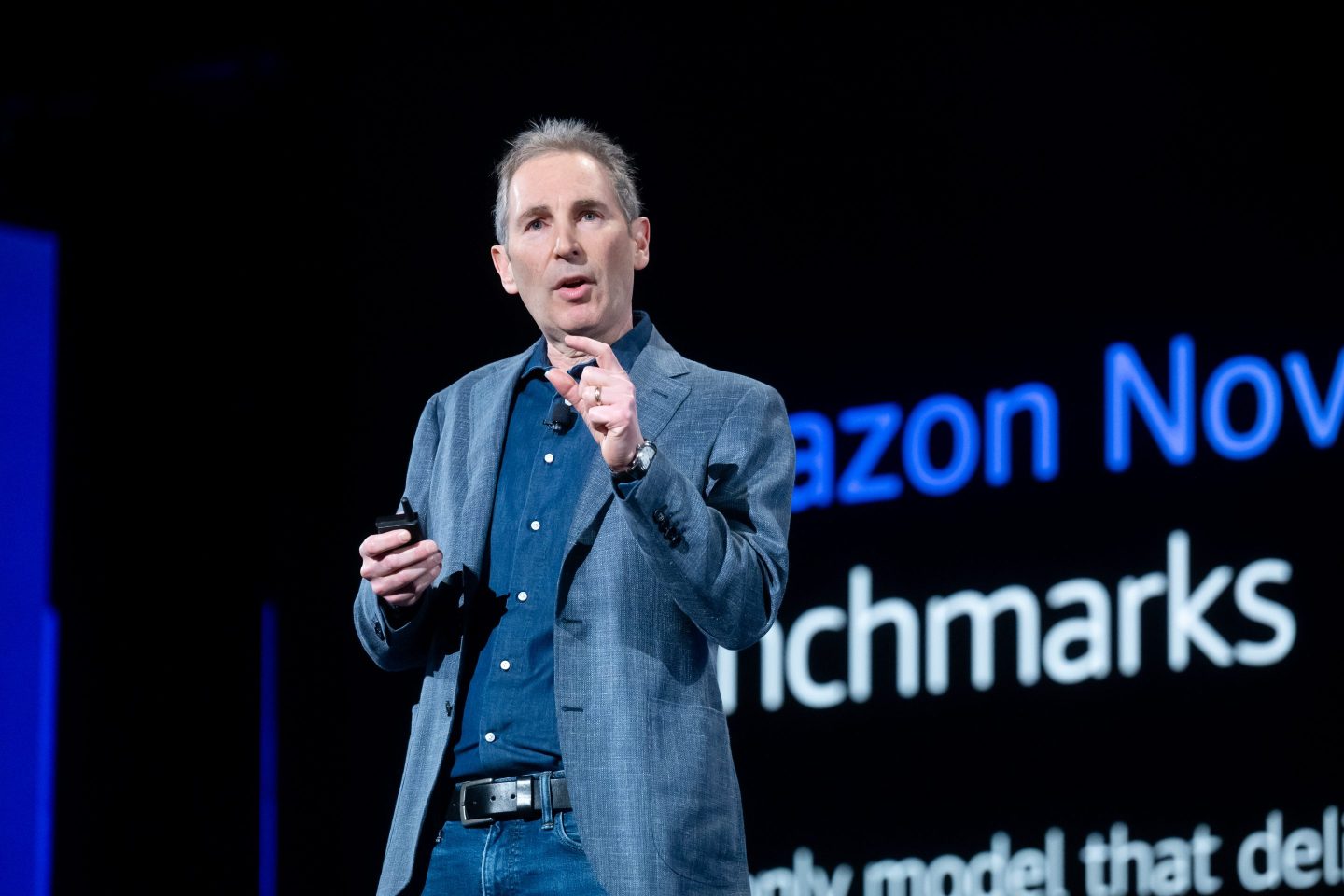
By January 2026, roughly 70% of Amazon's software engineers had tried Kiro at least once, according to internal updates shared with business outlets. The company is now ramping up fast toward that 80% weekly usage target. This fits right into CEO Andy Jassy's bigger picture—pouring around $200 billion into AI infrastructure like data centers and chips in 2026, while streamlining operations (including major workforce adjustments since late 2025).

Developer Pushback and Internal Debate
Not everyone's on board. The policy has stirred real frustration:
- About 1,500 employees backed petitions in internal channels calling for wider Claude Code access, saying it often outperforms Kiro and that the "use our tool or else" vibe feels forced.
- AWS folks are especially vocal—they pitch Claude Code to external customers every day but hit roadblocks using it themselves.
- Some devs openly prefer external models (like Anthropic's Claude over Amazon's Nova family), pointing out gaps in awareness or raw performance of in-house options.
The irony isn't lost on people: Amazon invests heavily in rivals ($8B+ in Anthropic, huge cloud deals with OpenAI players), yet locks internal teams into proprietary tools for control and strategic reasons.

Quick Note on Amazon's Other AI Coding Tools
Amazon's main public-facing AI coding helper is still Amazon Q Developer (inside AWS), which sees strong external uptake—high suggestion acceptance rates and solid first-try code accuracy in many reports. Kiro seems more specialized for internal, agent-heavy workflows, with potential overlap or evolution paths (like enhanced CLI features).
Overall, this move shows Amazon doubling down on AI to boost speed and cut grunt work, even if it creates tension around tool choice, innovation, and team morale. As AI-assisted coding becomes the norm industry-wide (with 2026 surveys projecting 40%+ of code coming from AI), Amazon's internal mandate highlights the classic tradeoff between company control and developer freedom.


Comments