
Key Takeaways
- Historic Return: NHL players compete at the Winter Olympics for the first time in 12 years at Milano Cortina 2026
- Construction Crisis: Milano Santagiulia Ice Hockey Arena faced severe delays, with work continuing until days before competition
- NHL Threatened Withdrawal: Deputy Commissioner Bill Daly warned players wouldn't participate if safety concerns persisted
- All 32 Teams Represented: Each NHL franchise has at least one player competing, with 148 total athletes participating
- Tournament Started: Men's hockey competition began February 11, 2026, with Slovakia vs. Finland opening the tournament
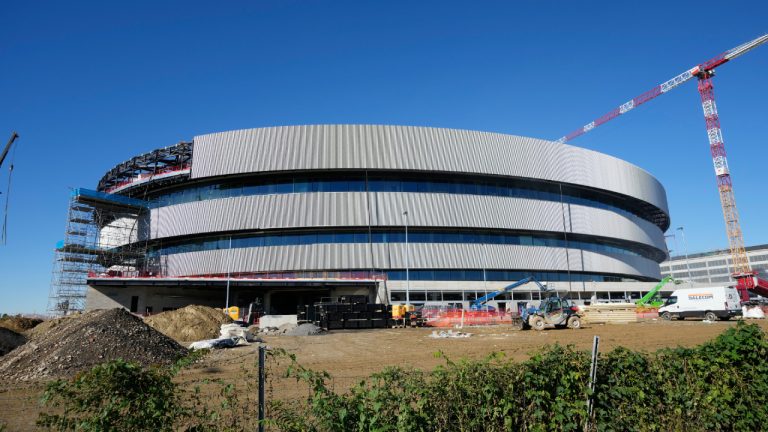

After a 12-year absence that left an entire generation of hockey stars without Olympic glory, the National Hockey League (NHL) has triumphantly returned to the Winter Olympics at Milano Cortina 2026. However, the path to this historic moment has been anything but smooth, marked by construction delays, venue controversies, and high-stakes negotiations that nearly derailed the world's most anticipated ice hockey competition.
The Long-Awaited Olympic Return NHL players last graced the Olympic ice at the 2014 Sochi Games, where Canada captured gold in a thrilling display of hockey excellence. The league's absence from PyeongChang 2018 and Beijing 2022 left fans and players alike yearning for the return of best-on-best international competition. That wait officially ended when NHL stars landed at Milano's Malpensa Airport on Sunday, February 9, 2026, greeted by electric anticipation and the weight of a dozen years of expectations.
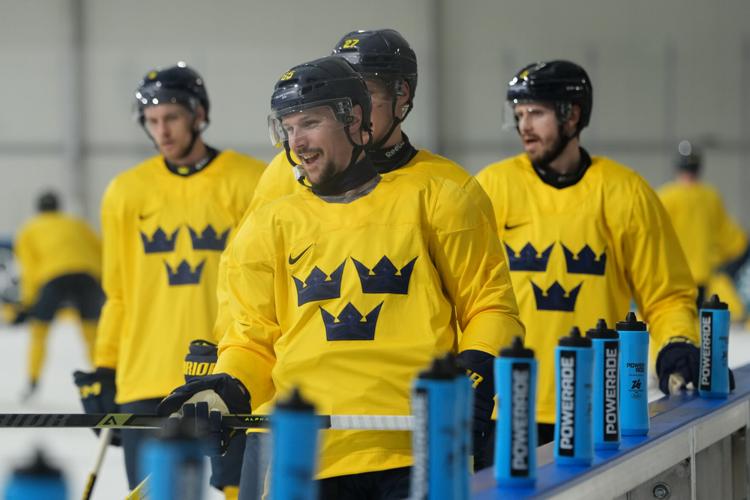

The arrival scene captured the magnitude of the moment: four ITA charter planes delivering 148 NHL players from all 32 franchises, representing 12 nations vying for Olympic supremacy. Among them stood hockey royalty—two-time Olympic champion Sidney Crosby of Canada, Edmonton Oilers superstar Connor McDavid, and Toronto Maple Leafs captain Auston Matthews leading Team USA's charge.
"It's something that we all dream of being part of. It's the biggest sporting event in the world. To do it together with 25 of Canada's best hockey players is a dream come true, it really is. Everybody feels the same way." — Connor McDavid


The Construction Nightmare That Nearly Cancelled Olympic Hockey Milano Santagiulia Arena: A Race Against Time What should have been a celebration of world-class hockey excellence instead became a cautionary tale of Olympic venue preparation gone wrong. The Milano Santagiulia Ice Hockey Arena, the primary venue for Olympic competition, emerged as the epicenter of controversy throughout late 2025 and early 2026.
Construction on the 14,700-capacity arena was supposed to begin in 2022 but faced immediate delays when an order of Roman-Catholic nuns filed a lawsuit claiming the project would encroach on their property and violate noise ordinances. This legal battle set the project back approximately one year—a delay that would cascade into a full-blown crisis as deadlines approached.
Timeline of Troubles: The Santagiulia arena remained an active construction site mere hours before the venue's first scheduled event—a women's preliminary match on February 5, 2026, just 24 hours before the opening ceremony. Workers scrambled to complete essential projects while construction crews in orange vests built merchandise stands and arena staff cleaned layers of dust from recently finished sections.
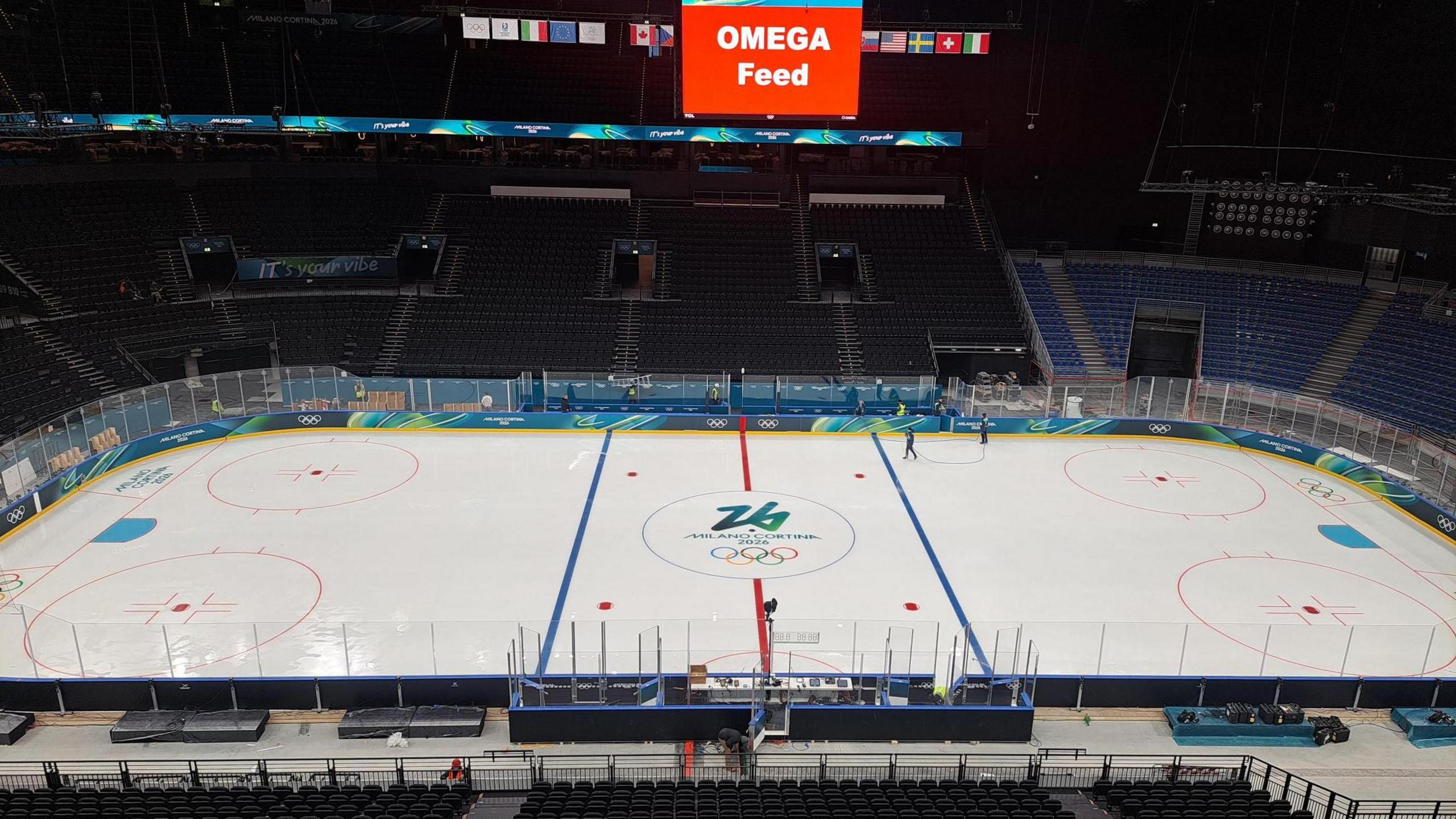
The Ice Surface Controversy Beyond construction delays, the playing surface itself became a flashpoint for concern. The agreement between the NHL, NHL Players' Association (NHLPA), International Olympic Committee (IOC), and International Ice Hockey Federation (IIHF) called for ice surfaces built to NHL standards. However, the final product fell short: at 196.85 feet in length, the Santagiulia rink measured more than three feet shorter than standard NHL dimensions, though it remained within IIHF specifications.
Don Moffatt, the NHL ice expert tasked with preparing the surface, described the experience as "the biggest challenge I've ever seen in my life—almost like a horror story." Working conditions proved nightmarish: construction crews had left an inch of water and dirt in the Zamboni entrance until just weeks before competition because it served as the only access point for materials and equipment.
NHL's Ultimatum and Near-Withdrawal As concerns mounted throughout December 2025, NHL Deputy Commissioner Bill Daly issued a stark warning that reverberated through international sports: the league would not send its players if any safety concerns persisted with the ice or facilities.
"If the players believe that the ice isn't safe, then we're not going to play. Depends on the percentage you want to place on the possibility the rink doesn't get completed. If there's no rink completed, there's no NHL players going to the Olympics." — Bill Daly, NHL Deputy Commissioner
This threat carried enormous weight. Without NHL participation, Olympic hockey would have been relegated to amateur and European professional leagues, fundamentally diminishing the competition's prestige and global appeal.
The Test Events That Saved the Olympics Unlike previous Winter Olympics, which typically conduct venue test events 12 months in advance, Milano Cortina organizers conducted their hockey trials less than one month before competition. This compressed timeline added immense pressure to already-strained operations.
In January 2026, the NHL dispatched its own ice technicians and venue experts to observe test matches at both the Santagiulia and secondary Rho facilities. The IIHF simulated Olympic conditions by hosting three games daily, replicating the grueling schedule that would test ice quality during actual competition.
To everyone's relief, the test events passed muster. IIHF President Luc Tardif praised the ice quality after witnessing the trials, noting that puck movement remained smooth even during the third period of the day's final game—traditionally the most challenging conditions for ice surfaces bearing heavy use.
Player Reactions to Venue Conditions Despite earlier controversies, NHL players who arrived for practices demonstrated remarkable pragmatism about the conditions they encountered. Team USA coach Mike Sullivan acknowledged that while the ice showed wear during practices, both teams would compete on the same surface, eliminating any competitive disadvantage.
Players noted unique characteristics of the Santagiulia ice, including a louder, different sound when skates carved the surface and puck movement that proved faster than typical NHL conditions, particularly along the boards and in the shallower corners. However, veteran competitors emphasized their Olympic dreams outweighed any venue imperfections.
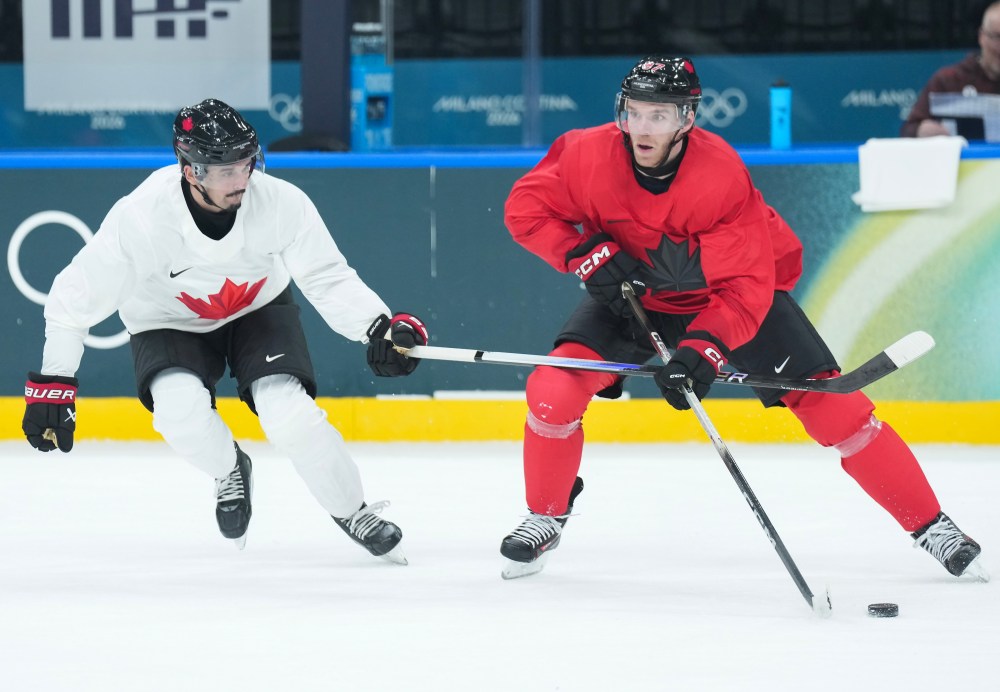
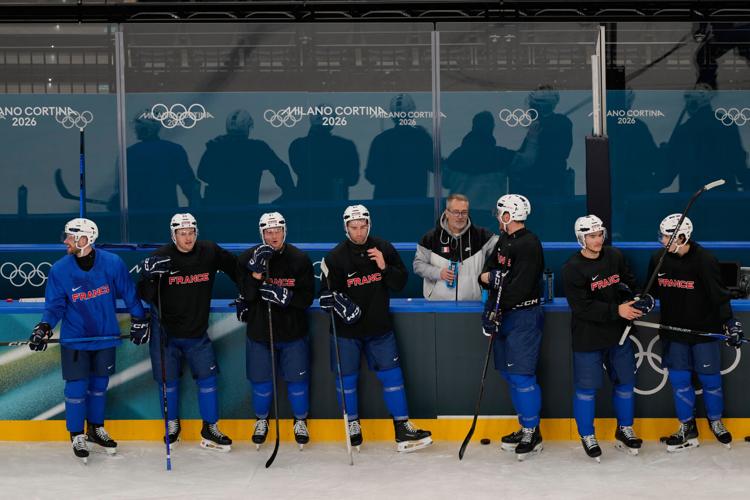
The Stakes: Gold Medal Favorites and Historical Context Team Canada: The Gold Standard Canada enters Milano Cortina as the defending Olympic champion and heavy favorite, having captured gold at the last two Winter Games featuring NHL players (Vancouver 2010 and Sochi 2014). The Canadian roster boasts a who's who of hockey excellence, led by Sidney Crosby, who seeks to add a third Olympic gold medal to his legendary career.


Canada's dominance in best-on-best competition speaks for itself: three gold medals in five Olympics featuring NHL players. The team's combination of elite talent, playoff experience, and championship pedigree makes them the squad to beat in Milan.
Team USA: Ending 46 Years of Heartbreak For the United States, Milano Cortina represents a chance to end Olympic hockey's longest drought. Team USA hasn't won Olympic gold since the "Miracle on Ice" in 1980, when a group of collegiate players stunned the Soviet Union in Lake Placid. An entire generation of American stars—including Matthews, Jack Eichel, and Matthew Tkachuk—has never experienced Olympic competition due to the NHL's 12-year absence.
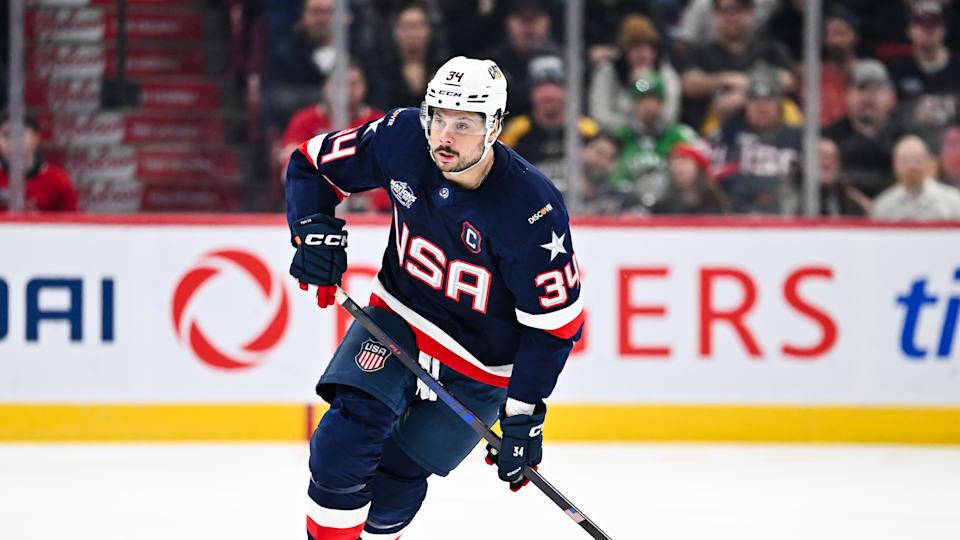
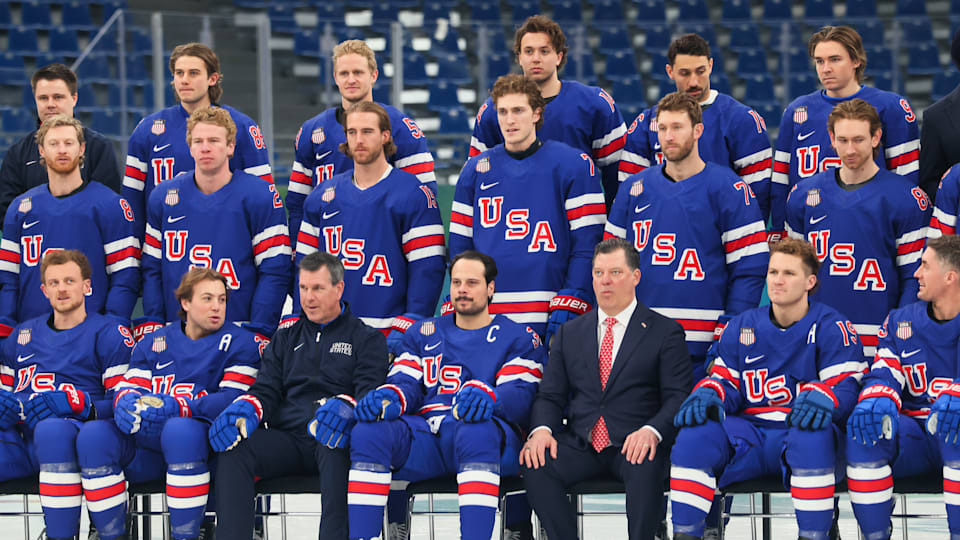
The Americans enter the tournament as perhaps Canada's most credible challenger, boasting exceptional depth at every position and home-ice advantage in terms of time zone and travel. Matthews, named team captain, carries the weight of national expectations while expressing confidence in his squad's medal prospects.
"I think we feel like we're up there and we should be competing for gold." — Auston Matthews, Team USA Captain
Other Contenders Beyond the North American powerhouses, several nations harbor legitimate medal aspirations:
- Finland: Consistently competitive in international play with elite goaltending and disciplined systems
- Sweden: Led by NHL stars like Victor Hedman, Sweden combines skill and physical play
- Czechia: A hockey-mad nation with talented NHL representatives seeking to reclaim past glory
- Switzerland: An emerging hockey power with increasing NHL representation
The Tournament Format and Schedule The men's hockey tournament at Milano Cortina 2026 follows a comprehensive structure designed to crown a true champion:
| Phase | Format | Details |
|---|---|---|
| Preliminary Round | Round Robin | Three groups, each team plays three games |
| Qualification Playoffs | Single Elimination | Determines remaining quarterfinal spots |
| Quarterfinals | Single Elimination | Eight teams compete for semifinal berths |
| Semifinals | Single Elimination | Winners advance to gold medal game |
| Medal Games | Single Game | Bronze and gold medal matches |
The tournament opened on February 11, 2026, with Slovakia facing Finland, followed by Sweden taking on host nation Italy. Team USA launched its campaign on February 12 against Latvia, while Canada faced Switzerland in their opener.


125 Olympic Debutants: A New Generation's Moment Of the 148 NHL players competing at Milano Cortina, an astounding 125 are making their Olympic ice hockey debuts. This statistic underscores the impact of the league's 12-year absence: an entire generation of elite talent never had the opportunity to compete for their countries at the Games.
For superstars like Connor McDavid (age 29) and Auston Matthews (age 28), Milano Cortina represents their first and possibly only opportunity to achieve Olympic glory during their prime years. The 4 Nations Face-Off tournament held in February 2025 provided a preview of best-on-best hockey, but nothing compares to the Olympic stage's prestige and global attention.
What Changed: The Agreement That Made It Possible The finalization of NHL player participation came through a landmark agreement announced in 2025, following meetings at IIHF headquarters in Zurich, Switzerland. Representatives from the NHL, NHLPA, IOC, and IIHF resolved numerous logistical and financial issues that had prevented player participation at previous Games.
Key elements of the agreement included:
- Insurance coverage for player injuries during Olympic competition
- Transportation and accommodation arrangements for players and staff
- NHL schedule modifications to create an Olympic break
- Ice rink specifications and safety standards
- Marketing and promotional rights agreements
The agreement also "contemplates" NHL participation at the 2030 Winter Olympics in the French Alps, though this isn't guaranteed. Deputy Commissioner Daly indicated the league has "every intention" of continuing Olympic participation beyond 2026.
The Economic and Cultural Impact Broadcast Coverage and Global Audience NHL Network announced comprehensive programming for Milano Cortina, with on-site coverage delivered by host Jamison Coyle and analyst Jason Demers (a 2022 Team Canada Olympian). The network's NHL Tonight: Milano Cortina 2026 programming provides daily previews, recaps, and analysis throughout the tournament.
The global television audience for Olympic hockey with NHL participation is expected to dwarf viewership from recent Games. The 2014 Sochi gold medal game between Canada and Sweden drew massive worldwide audiences, and Milano Cortina anticipates similar or greater interest given the 12-year gap.
Growing the Game USA Hockey CFO Kelly Mahncke emphasized the Olympic spotlight's importance for hockey's growth, particularly among youth participants and diverse communities. The visibility provided by NHL stars competing at the Games inspires the next generation of players.
"So many kids watch these games and at some point they think 'I'm going to play in the NHL' or 'I'm going to play hockey in the Olympics.' That helps grow our game because if you can see it, you can do it." — Kelly Mahncke, USA Hockey CFO
Lessons Learned: Olympic Venue Preparation The Milano Santagiulia arena's troubled construction offers valuable lessons for future Olympic organizing committees:
- Start Early: Legal delays and late groundbreaking created a domino effect of problems that persisted throughout the project
- Build in Buffer Time: Test events should occur well in advance of competition, not weeks before
- Clear Specifications: The ice dimension controversy could have been avoided with earlier, clearer agreements
- Regular Communication: Transparent updates between stakeholders (NHL, IIHF, IOC) prevent last-minute crises
- Prioritize Athlete Safety: No amount of construction pressure should compromise playing conditions
IOC Olympic Games Executive Director Christophe Dubi acknowledged the "frantic" pace of work while insisting that essential elements for competition were ready. However, he admitted the experience wasn't ideal and that many cosmetic details remained incomplete at tournament start.
Looking Ahead: The Legacy of Milano Cortina 2026 Despite the controversial buildup, Milano Cortina 2026 has the potential to create lasting positive impacts:
- For Italian Hockey: Host nation Italy benefits from world-class hockey facilities and increased exposure to the sport. The tournament showcases Italian cities to a global audience and may inspire growth in youth hockey participation throughout the country.
- For the NHL: The league's return to the Olympics reestablishes its commitment to international competition and best-on-best tournaments. Success at Milano Cortina likely ensures continued participation at future Winter Games, including the 2030 Olympics.
- For Olympic Hockey: The return of NHL talent restores Olympic hockey to its rightful place as the pinnacle of international competition. The quality of play, storylines, and star power create moments that transcend sports and enter cultural consciousness.
Frequently Asked Questions (FAQ) Q: When was the last time NHL players competed in the Olympics? A: NHL players last competed at the 2014 Sochi Winter Olympics, where Canada won the gold medal. The league opted out of the 2018 PyeongChang Games and the 2022 Beijing Games.
Q: Why did the NHL skip the 2018 and 2022 Olympics? A: The NHL cited concerns about disrupting the hockey season for the 2018 Games. For 2022, the COVID-19 pandemic and related complications prevented player participation.
Q: How many NHL players are competing at Milano Cortina 2026? A: A total of 148 NHL players are competing, representing all 32 NHL franchises. Of these, 125 are making their Olympic debuts.
Q: What were the main issues with the Milano Santagiulia Arena? A: The arena faced severe construction delays caused by a late start (due to a lawsuit), slower-than-expected building progress, concerns about ice quality, and rink dimensions that were smaller than NHL standards but within IIHF specifications.
Q: Did the NHL actually threaten to withdraw from the Olympics? A: Yes. NHL Deputy Commissioner Bill Daly stated publicly that the league would not send players if there were safety concerns with the ice or facilities. However, after test events in January 2026, the NHL confirmed player participation.
Q: Who are the favorites to win gold at Milano Cortina 2026? A: Canada enters as the favorite, having won the last two Olympics featuring NHL players. Team USA is considered the primary challenger, with Finland, Sweden, and Czechia also harboring medal aspirations.
Q: When does the men's hockey tournament begin and end? A: The men's tournament runs from February 11-22, 2026. The tournament opened with Slovakia vs. Finland, with the gold medal game scheduled for February 22.
Q: Will NHL players participate in future Olympics? A: The current agreement "contemplates" NHL participation at the 2030 Winter Olympics in the French Alps, though it's not guaranteed. NHL Deputy Commissioner Daly indicated the league has "every intention" of participating in 2030.
Q: How does the ice at Milano Santagiulia differ from NHL rinks? A: The Santagiulia ice measures 196.85 feet in length, more than three feet shorter than standard NHL rinks. It's also slightly wider. Players have noted faster puck movement and a different sound when skating, but the surface meets IIHF safety standards.
Q: What is the tournament format? A: The tournament begins with a round-robin preliminary round where teams play three games each. Top teams from each group plus the best second-place team advance directly to quarterfinals. Other teams compete in qualification playoffs for remaining quarterfinal spots. From there, it's single-elimination knockout rounds leading to the gold medal game.
Conclusion: Triumph Over Adversity The NHL's return to the Winter Olympics at Milano Cortina 2026 represents triumph over significant adversity. From construction nightmares and venue controversies to last-minute safety concerns and threatened withdrawals, the path to this historic moment tested all stakeholders' resolve and commitment to international hockey excellence.
Yet despite these challenges, 148 of the world's best hockey players arrived in Milan ready to compete for Olympic glory. For veterans like Sidney Crosby seeking a third gold medal, for first-time Olympians like Connor McDavid and Auston Matthews chasing their first, and for hockey fans worldwide who have waited 12 years for this moment, the controversies fade against the brilliance of elite competition on sport's grandest stage.
The Milano Santagiulia Arena may not be perfect, and its construction story may serve as a cautionary tale for future Olympic organizers. However, when the puck drops and the world's best battle for gold, none of that will matter. What matters is that the NHL is back at the Olympics, and hockey has reclaimed its rightful place at the center of the Winter Games.
As Connor McDavid eloquently stated, competing with "25 of Canada's best hockey players is a dream come true." For players and fans alike, that dream—delayed, threatened, and nearly cancelled—is finally reality in Milano Cortina 2026.


Comments