
U.S. stock futures pointed lower Wednesday morning as persistent geopolitical risks in the Middle East — particularly around the Strait of Hormuz — continued driving oil prices higher, fueling inflation concerns and shifting expectations for Federal Reserve rate cuts.
Dow Jones Industrial Average futures were down around 400-600 points (based on pre-market moves tied to ongoing uncertainty), while S&P 500 and Nasdaq-100 futures showed similar pressure. The mood remains cautious rather than panicked, with investors rotating toward defensive plays amid the volatility.
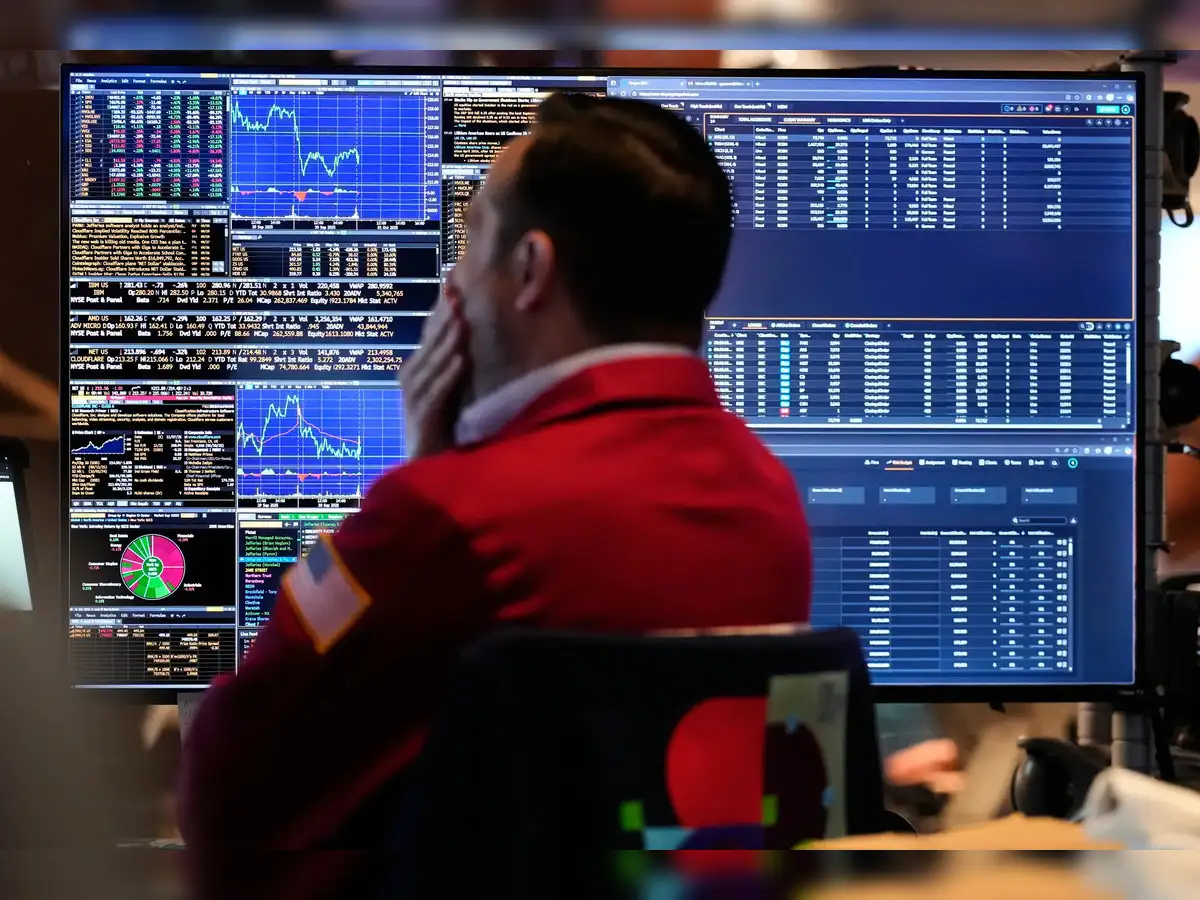
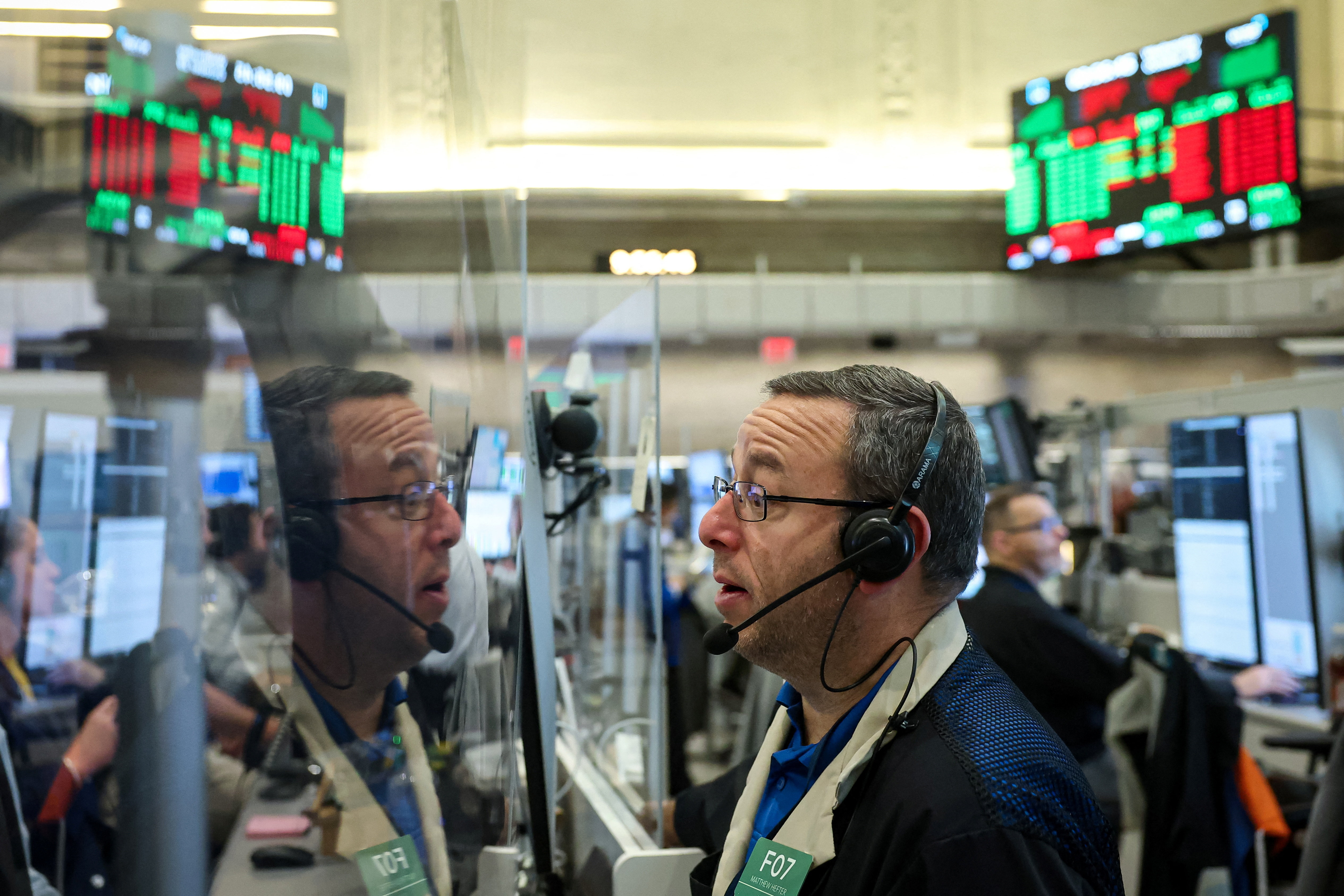
Key Drivers: Oil Prices Spike on Hormuz Tensions
Brent crude futures traded above $81 per barrel in recent sessions (with spikes toward $83+ earlier this week), up sharply from pre-conflict levels around $73-78. WTI crude followed suit, climbing into the mid-$70s.
The surge stems from disrupted tanker traffic through the Strait of Hormuz, a critical chokepoint carrying roughly 20% of global oil supply and a significant portion of LNG. Recent escalations in the U.S.-Israel-Iran conflict have led to warnings, electronic interference, and partial halts in shipping — raising fears of prolonged supply constraints.

Higher energy costs are rippling across the economy:
- Inflation risks — Persistent elevated oil could push CPI readings higher, complicating the Fed's path.
- Delayed rate cuts — Markets had priced in easing; now, expectations are shifting toward a more hawkish stance if disruptions last weeks.
- Corporate margins — Transportation, manufacturing, and consumer sectors face squeezed profits.
- Consumer impact — Gasoline and heating costs rise, potentially curbing spending.
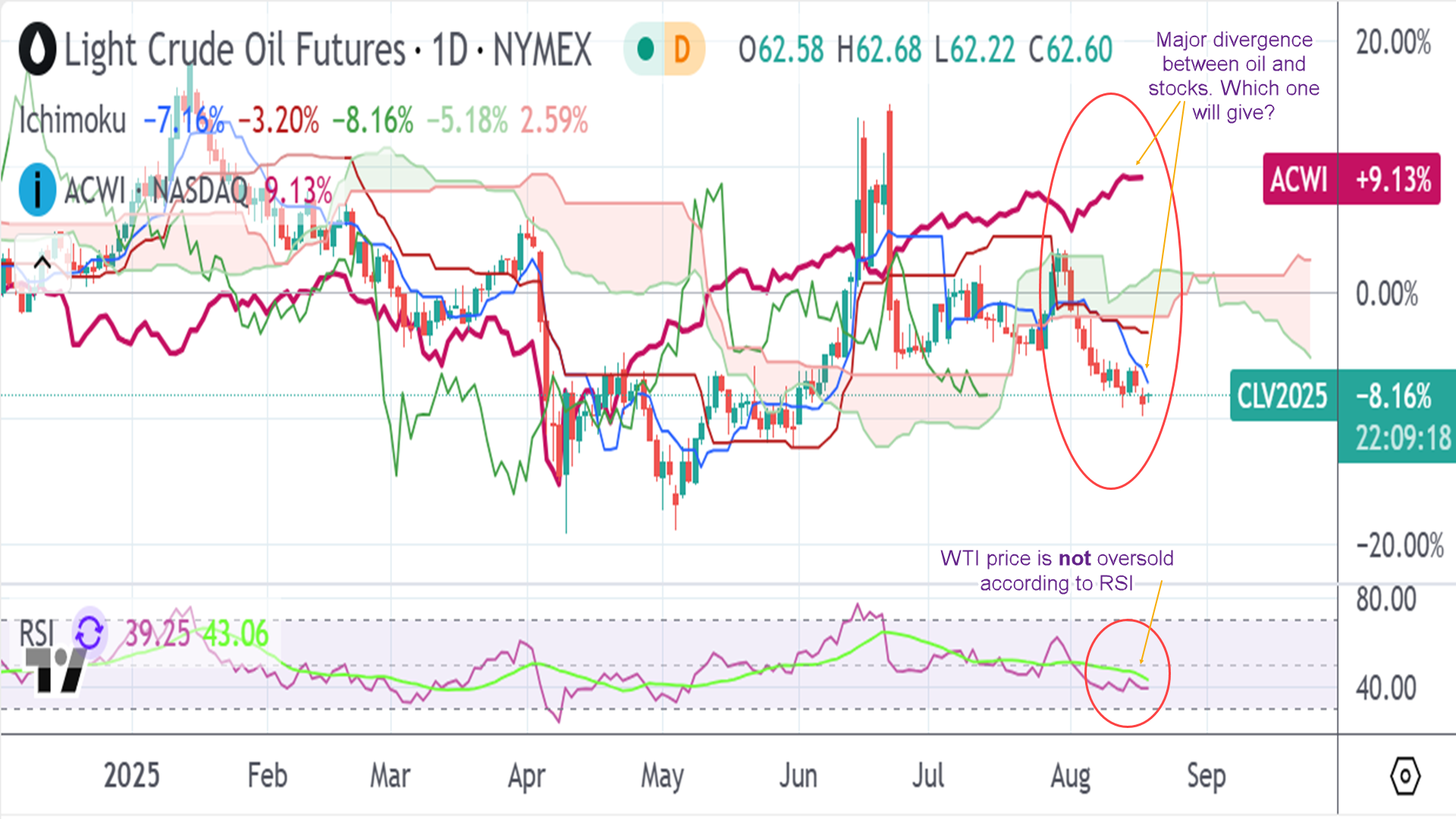

Market Sentiment: Uneasy, Not in Full Sell-Off Mode
No widespread panic selling yet — the Nasdaq shows relative resilience thanks to big-tech defensiveness, while energy stocks gain on higher crude. But overall, traders are trimming risk: The U.S. dollar has strengthened as a safe haven, and gold sees selective buying.
Bond yields have ticked higher as investors reassess the inflation trajectory. This isn't a crash — it's a recalibration driven by uncertainty over duration.
Historically, geopolitical oil shocks cause sharp but often temporary volatility unless they fundamentally alter supply-demand balances. The key question: How long will Hormuz disruptions persist?
What Investors Should Watch
- Oil price stability — Any sustained drop below $75-78 could ease pressure; prolonged highs above $85+ amplify risks.
- Diplomatic/military developments — Signals of de-escalation or further strikes will move markets fast.
- Upcoming data — Key inflation reports (CPI/PPI) and Fed commentary could shift rate-cut bets.
- Sector rotation — Defensive names (utilities, consumer staples) and energy outperform in this environment; growth/tech may lag if yields rise.
Short-term volatility is likely. Medium-term outlook hinges on oil. Long-term, earnings growth and economic fundamentals still dominate — headlines alone rarely derail bull markets permanently.
For now, discipline beats reaction. Patience — and clear signals on energy supply — will determine the next leg.


Comments