
A NASA astronaut suddenly lost the ability to speak during an ISS mission, triggering the agency's first medical evacuation. Explore space medicine breakthroughs, human health risks in space, and how the Artemis program is tackling radiation, microgravity, and other space exploration hazards for safe Moon and Mars travel. Latest 2026 updates.
A mysterious medical episode left an astronaut unable to speak, highlighting serious health risks as NASA ramps up Artemis moon missions and prepares for long-duration space exploration.
On January 7, 2026, veteran NASA astronaut Michael Fincke — a four-time space flyer with 549 days in orbit — was eating dinner aboard the International Space Station when he suddenly could not speak. His crewmates acted fast, requesting help from ground surgeons. This led to NASA’s first-ever controlled medical evacuation from the ISS via SpaceX Crew-11 on January 15. Doctors ruled out a heart attack or choking, but the cause remains unknown.
This real-time incident is a stark reminder of the hidden dangers in space travel as NASA pushes forward with the Artemis program.
 |
| Astronaut Mike Fincke still puzzled by sudden illness that ended space mission |
NASA's Artemis Program: Bold Return to the Moon Amid Growing Health Concerns
NASA's Artemis program marks humanity's next giant leap — returning astronauts to the lunar surface for the first time since Apollo 17 in 1972. Artemis II, scheduled for launch in early April 2026, will send four astronauts on a 10-day flyby around the Moon. Future missions aim for sustained lunar presence and eventual Mars travel.
Yet, as crews prepare to leave Earth's protective magnetic field, incidents like Fincke's highlight why space medicine has become NASA's top priority.
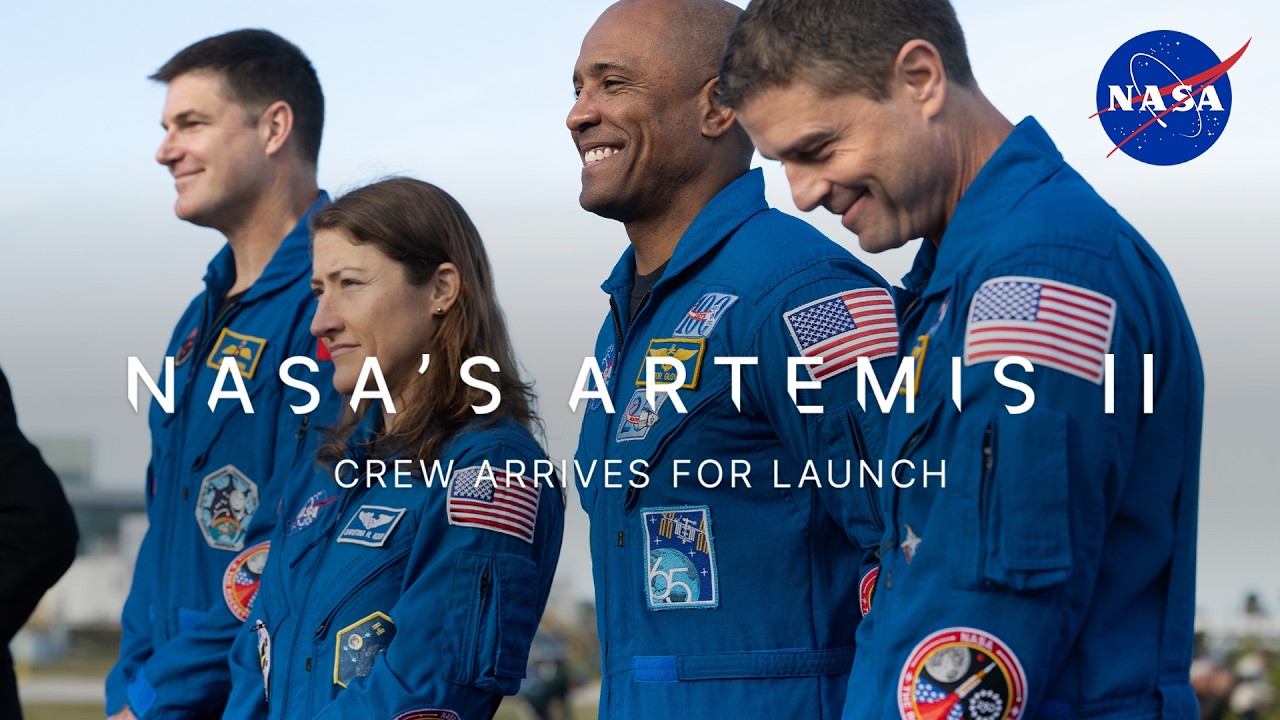 |
| Artemis 2 moon mission latest news: NASA prepares for April 1 launch of lunar astronauts | Space |
The Growing Risks of Space Travel: Why Human Health in Space Is a Major Challenge
Space is unforgiving. Microgravity, radiation, isolation, and confined environments create a perfect storm of threats to the human body. NASA's Human Research Program (HRP) has identified dozens of "red risks," including those now amplified by longer missions.
Key health in space hazards include:
- Microgravity Effects: Fluids shift to the head, causing vision changes (Spaceflight Associated Neuro-ocular Syndrome or SANS), muscle atrophy, bone loss, and immune dysfunction. Up to 70% of long-duration astronauts experience eye issues.
 |
| InnovaSpace - Blog |
- Space Radiation: Beyond low-Earth orbit, cosmic rays and solar particles increase cancer risk, brain damage, and cardiovascular issues. Artemis II will expose crews to radiation equivalent to a full-body CT scan — but longer Moon stays or Mars trips multiply the danger.
 |
| Space Radiation Will Damage Mars Astronauts' Brains | Space |
- Psychological and Other Hazards: Isolation, sleep disruption, and closed environments can trigger stress, anxiety, and cognitive decline. Combined with physical changes, these form space exploration hazards that demand advanced countermeasures.
Space Medicine Advances: How NASA’s Human Research Program Is Fighting Back
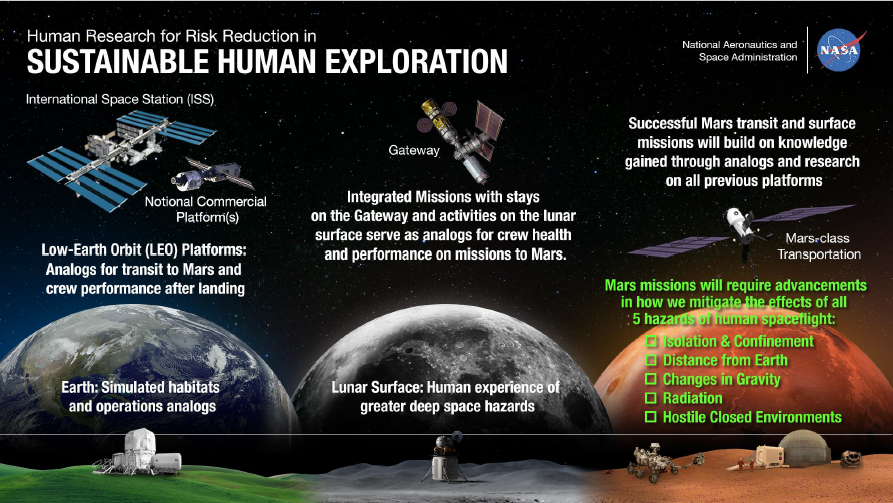
NASA’s HRP conducts cutting-edge studies on the ISS, in analogs, and soon on Artemis missions. Experiments on Artemis II include wearable sensors for real-time health tracking, saliva tests for stress hormones, and tissue chips to simulate organ responses to deep-space conditions.
 |
| About Human Health & Performance at GRC - NASA |
These efforts build on 25+ years of ISS data to develop drugs, exercise protocols, shielding technologies, and even AI-driven medical systems for autonomous care during Moon or Mars trips.
Artemis Moon Missions and Long-Duration Space Exploration
The Fincke incident proves even short ISS stays carry unknowns. For Artemis — with planned lunar bases and Gateway station — the stakes are higher. NASA is investing in precision medicine, radiation shielding, and on-board surgical capabilities.
 |
| Artemis Base Camp by Pierre Carril, ESA | human Mars |
Experts emphasize: “Radiation is the showstopper” for deep space, but unexplained episodes like sudden speech loss remind us that microgravity and combined stressors remain mysteries too.
Preparing for the Future: Safer Space Travel Starts Now
As organic searches for NASA Artemis program, risks of space travel, and human health in space surge with this breaking news, one thing is clear: NASA is treating astronaut health as mission-critical. Ongoing research, international partnerships, and real-time data from incidents like this will pave the way for humanity’s multi-planetary future.
The mysterious medical episode involving Michael Fincke is not just one astronaut’s story — it’s a wake-up call for every step toward the Moon, Mars, and beyond.
What do you think about the risks of space travel? Share your thoughts below and stay tuned for more updates on the Artemis program and space medicine breakthroughs.


Comments