
 |
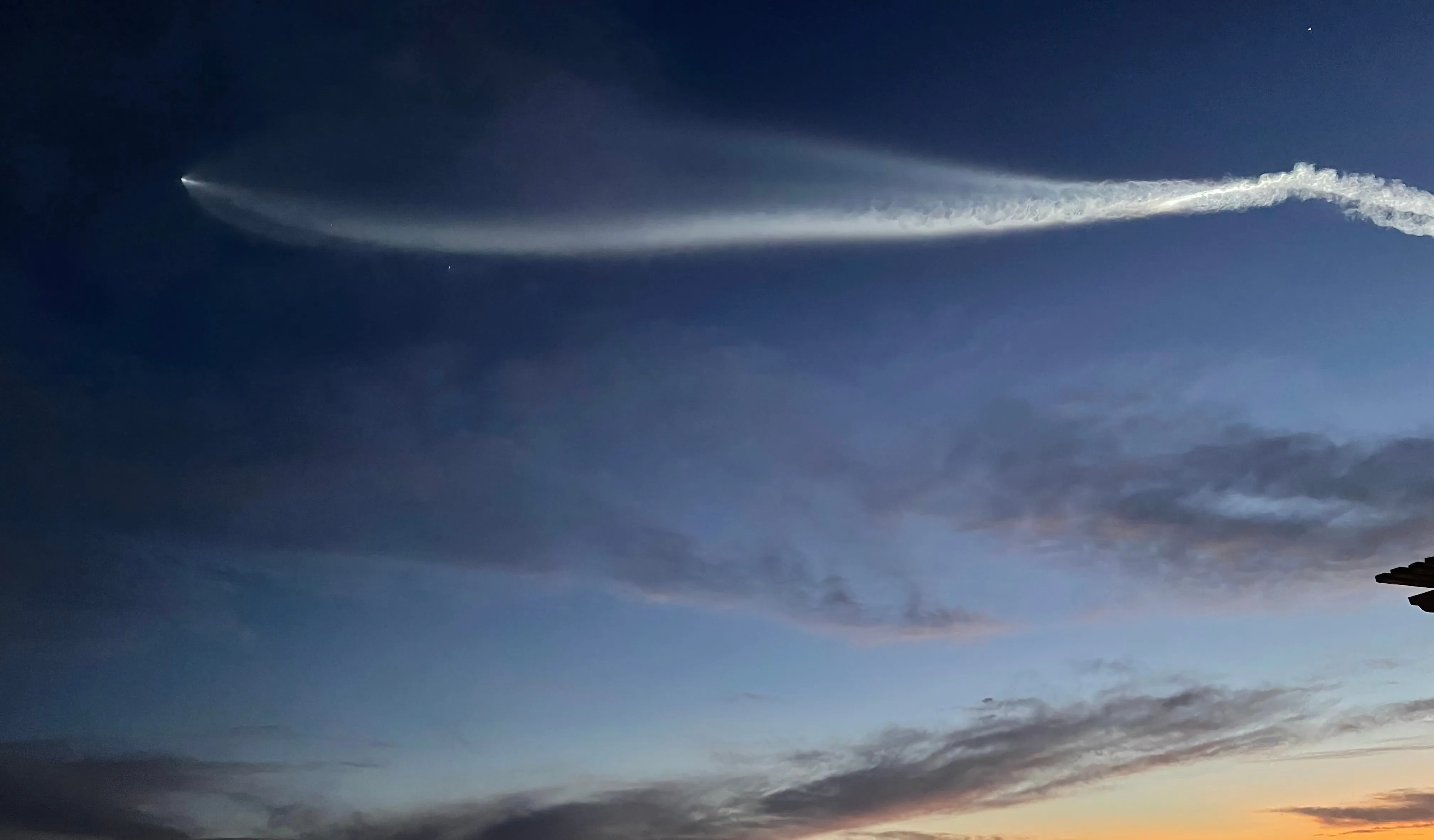
| Early morning Vandenberg rocket launch 'gave quite the show' above SLO County. See the photos |
Central Coast residents, mark your calendars and set those alarms! Vandenberg Space Force Base is once again turning our California skies into a front-row seat to space exploration. Following a brief delay from the mid-week launch window, SpaceX’s Falcon 9 rocket is now targeting liftoff on Saturday, March 7, 2026, at 2:58 a.m. PST from Space Launch Complex 4-East (SLC-4E). This pre-dawn timing promises one of the most breathtaking light shows of the year — a brilliant streak of fire cutting through the starry sky, visible for hundreds of miles.
This mission marks a milestone for Vandenberg, often called “Space City” on the West Coast. It represents the 10th launch from the base in 2026 alone, underscoring California’s record-breaking pace in the commercial space race. Whether you’re a space enthusiast, a local family looking for a memorable outing, or just curious about the rumble in the night, this guide delivers everything you need: exact timing, prime viewing locations, technical highlights, sonic boom alerts, and pro tips from longtime Central Coast watchers.
 |
| California SpaceX launch to send 27 Starlink satellites into space – NBC Los Angeles |
Why Vandenberg Is California’s Launch Capital in 2026
Vandenberg Space Force Base has transformed into a powerhouse of American space innovation. Nestled along the scenic Santa Barbara County coastline, the base supports both national security and commercial missions like this Starlink deployment. In just the first two months of 2026, Vandenberg has already shattered previous records, with SpaceX leading the charge.
This Saturday’s flight continues that momentum. The rapid cadence — now hitting double digits for the year — highlights Vandenberg’s role in expanding global connectivity through Starlink while supporting U.S. Space Force priorities. Locals have grown accustomed to the excitement (and occasional early-morning wake-ups), but each launch reminds us: we live in one of the most dynamic space regions on Earth.
Mission Details: Reusable Booster B1097 & Next-Gen V2 Mini Starlink Satellites
The Falcon 9 rocket, standing 230 feet tall, will carry 25 Starlink V2 Mini satellites into low-Earth orbit. These advanced “V2 Mini” spacecraft are designed to significantly boost Starlink’s capacity, delivering faster internet speeds and broader coverage to users worldwide — including underserved rural areas across California and beyond.
A standout technical highlight: Booster B1097 will fly for the 7th time. SpaceX’s reusable technology has revolutionized spaceflight, slashing costs and enabling this high launch tempo. After separating from the second stage, B1097 will perform a pinpoint landing on the droneship “Of Course I Still Love You” (OCISLY) in the Pacific Ocean, approximately 8 minutes after liftoff.
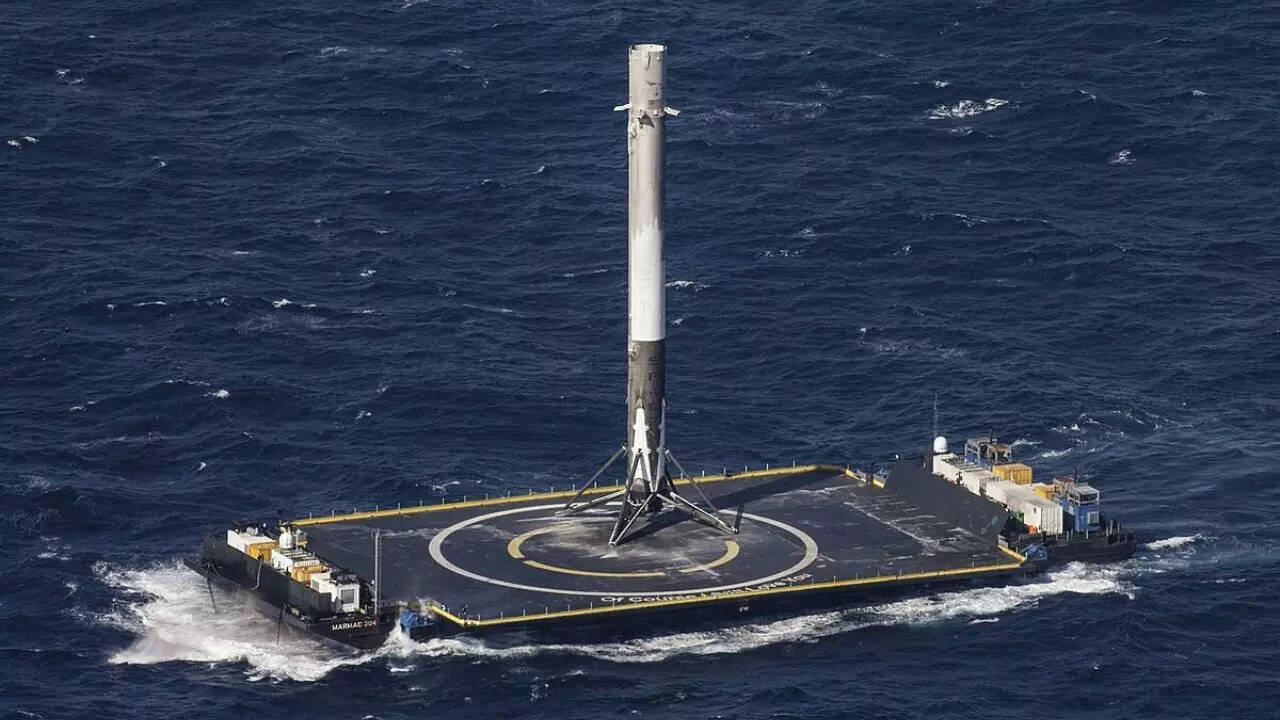 |
| Meet Elon Musk's droneship 'Of Course I Still Love You' — which catches falling rockets, not hearts | - The Times of India |
What locals can expect visually: The ascent will create a stunning, glowing plume that expands into a “jellyfish” or “cloud-like” formation in the pre-dawn darkness — perfect for photos and videos. Recent Vandenberg night launches have produced unforgettable sky shows that residents describe as “better than fireworks.”
Updated Launch Schedule & Backup Opportunities
- Primary window: Saturday, March 7, 2026 – opens at 2:58 a.m. PST (instantaneous opportunities within a ~4-hour window)
- Backup: Sunday, March 8 if needed (weather or technical issues can shift timing)
- Live coverage: SpaceX’s YouTube stream typically begins ~30 minutes prior. Local TV affiliates and apps like the Ventura County Star will provide real-time updates.
Pro tip: Download the SpaceX app or follow @SpaceX and @VandenbergSFB on X (formerly Twitter) for last-minute confirmations. California weather in early March can be unpredictable — clear skies are forecast but always double-check.
 |
| Watch SpaceX deploy its 1st V2 mini Starlink internet satellites in orbit in this stunning video |
Best Places to Watch: Your 2026 Pre-Dawn Viewing Guide
The launch trajectory heads south over the Pacific, making it visible across a huge swath of Southern and Central California. The pre-dawn hour (still very dark) maximizes the rocket’s glow against the stars — a true “California light show.”
Top Recommended Spots for Local Residents:
Ventura County (45–60 minutes south of Vandenberg):
- Ventura Pier (750 E. Harbor Blvd.) – Iconic oceanfront location with unobstructed western views. Arrive by 2:00 a.m. for parking and prime railing spots. Families love the festive atmosphere as neighbors gather with blankets and thermoses.
- Serra Cross Park at Grant Park (501 Poli St., Ventura) – Elevated panoramic views over the coast. Bring binoculars or a camera with night mode for stunning long-exposure shots of the entire ascent.
 |
| Serra Cross in Ventura, California — Flying Dawn Marie | Travel blog, guides & itineraries for adventurous travellers Serra Cross in Ventura, California — Flying Dawn Marie | Travel blog, guides & itineraries for adventurous travellers |
San Luis Obispo County (closer, 30–45 minutes north):
- Oceano Dunes – Wide-open beach and dune areas offer 360° sky visibility. Perfect for groups who want to spread out. Note: Vehicle access requires permits; arrive early to secure parking.
 |
| Best Places to Watch the Space Launches in SLO CAL |
Santa Barbara County (closest to base):
- Additional spots like Surf Beach, Ocean Park in Lompoc, and viewpoints along West Ocean Avenue provide the brightest views but fill up fastest.
Pro Viewing Tips from Local Experts:
- Arrive 45–60 minutes early for parking and setup.
- Dress in layers — March nights are chilly (40–50°F).
- No lights or flash photography near the rocket plume to preserve night vision.
- Bring red-light flashlights, snacks, and portable chargers.
- Clear western horizon is key; avoid hills or tall buildings blocking the south-west.
Recent launches have drawn hundreds to these exact locations, creating a wonderful sense of community under the stars.
Sonic Boom Alert: What to Expect in Your Neighborhood
As the booster returns to the droneship, residents in Santa Barbara, Ventura, and San Luis Obispo counties may hear a sonic boom — a sharp thunder-like crack or low rumble lasting up to 10 minutes after liftoff.
- When: Approximately 8–9 minutes after launch.
- Why: The booster breaks the sound barrier during descent.
- Intensity: Usually mild, similar to distant thunder or a large truck passing. No structural risk.
Space Force and SpaceX coordinate with local authorities to minimize disruption. If you’re sensitive to noise, keep pets indoors. Updates will be posted on county emergency alert systems.
How This Launch Benefits Our Community
Beyond the spectacle, Starlink missions like this one advance global broadband access — helping California farmers, first responders, and remote schools. Vandenberg’s growth creates jobs, stimulates local tourism (hotels and restaurants see spikes on launch weekends), and positions our region as a leader in the new space economy.
SpaceX and the U.S. Space Force emphasize safety and environmental stewardship, with reusable rockets reducing waste and emissions per launch compared to legacy systems.
Final Thoughts: Don’t Miss This California Sky Show
Whether you’re watching from your backyard in Oxnard, the dunes of Oceano, or the historic Ventura Pier, Saturday’s pre-dawn Falcon 9 launch will be a highlight of 2026. Set your alarm, grab the family, and join thousands of fellow Central Coast residents celebrating America’s leadership in space — right here in our backyard.
Stay informed:
- SpaceX launch page
- Vandenberg Space Force Base public affairs
- Ventura County Star for live local coverage
Safe travels, clear skies, and enjoy the show!
 |
| Starlink launches V2 mini-satellites with 'space lasers' |
Recent Falcon 9 missions from Vandenberg have delivered exactly this kind of spectacular pre-dawn display that California residents have come to love — bright plasma trails, expanding exhaust plumes, and that unforgettable moment when the rocket disappears into orbit.


Comments