
Strategic maritime chokepoints dictate the pulse of global energy security.

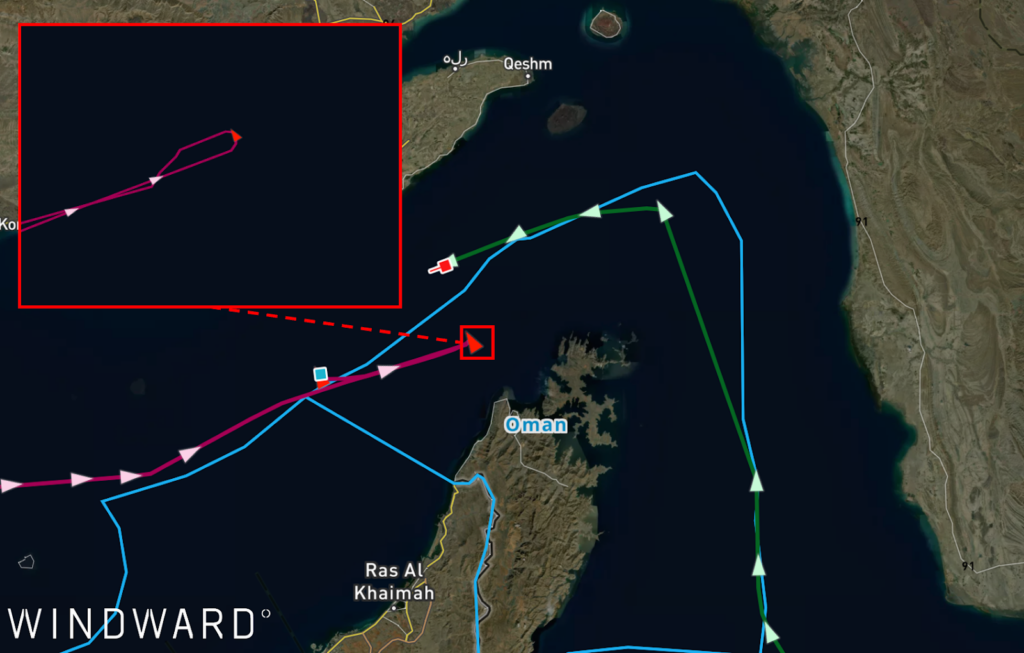
The Strait of Hormuz remains the world’s most critical maritime artery, funneling approximately 21 million barrels of oil per day—roughly 25% of the global seaborne trade. As of April 2026, this narrow passage between Oman and Iran has become a focal point of intense geopolitical friction, leading to a dramatic 89% decrease in daily vessel transits. For energy markets, the "Hormuz Dilemma" is a matter of geographic reality: the waterway is only 21 nautical miles wide at its narrowest point, with shipping lanes just 2 miles wide. Unlike other routes, there are no immediate, high-capacity maritime alternatives, making any disruption a direct catalyst for global supply chain shocks.
Crude oil price surges reflect the fragility of energy logistics.

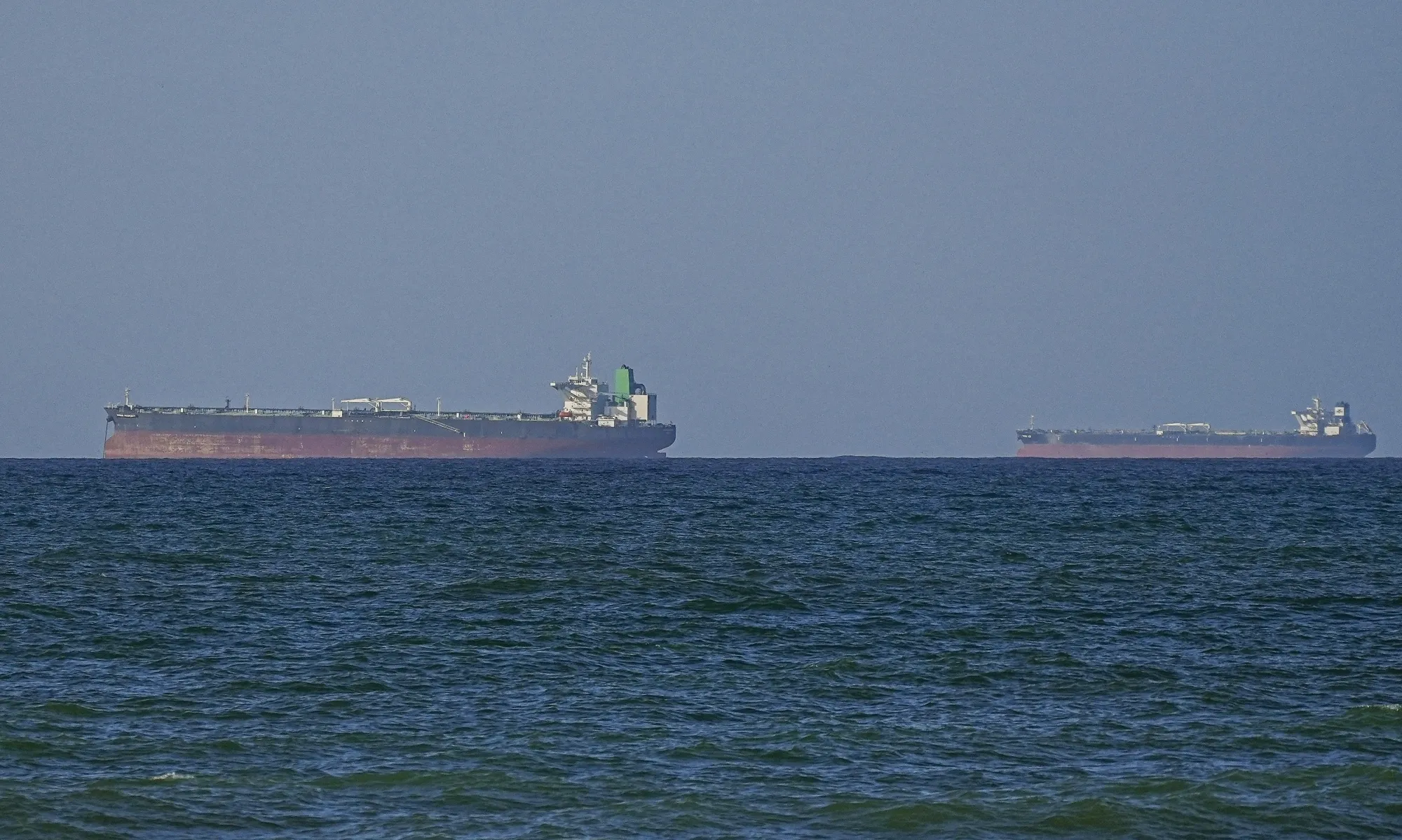
When maritime traffic in the Strait is throttled, the immediate result is extreme market volatility. In early 2026, following heightened regional tensions, Brent crude prices spiked past $125 per barrel, the highest level in four years. This volatility isn't just about the physical absence of oil; it is driven by the "fear premium" associated with insurance and logistics. War-risk insurance premiums for tankers in the Persian Gulf have skyrocketed, often increasing the landed cost of petroleum by 30% to 50%. These costs cascade through the global economy, driving up fuel prices for consumers and increasing manufacturing expenses for energy-intensive industries like chemicals and plastics.
Alternative pipeline routes offer limited relief for global oil exports.


While major producers like Saudi Arabia and the UAE have invested in bypass infrastructure, these solutions cannot fully compensate for a closed Strait. The Saudi East-West Pipeline and the Habshan-Fujairah pipeline in the UAE combined can only divert about 6.5 million barrels per day—less than a third of the typical volume that transits through the water. For most exporters in Kuwait, Iraq, and Qatar, there is simply no "Plan B" for maritime transport. This lack of redundancy means that prolonged bottlenecks in the Strait don't just delay shipments; they effectively strand millions of barrels of oil, forcing global refineries to draw down strategic reserves.
Maritime security protocols evolve to protect the global supply chain.


To combat the risk of "shadow fleet" interference and maritime attacks, international naval forces have intensified freedom of navigation operations. In April 2026, the implementation of a shaky ceasefire led to the first successful transits of major tankers in weeks, albeit under strict Traffic Separation Schemes (TSS). These protocols are essential for preventing collisions and managing the 1,000-ship backlog currently waiting in the Gulf of Oman and the Persian Gulf. However, the reliance on naval escorts and political negotiations highlights a shift from open commercial transit to a controlled, high-security logistics model that reshapes how petroleum is traded globally.
What specific regional infrastructure projects do you believe could most effectively mitigate future Hormuz-related supply shocks?


Comments