
 |
| Artemis II astronauts return home, ending NASA moon mission |
The Artemis II crew has safely returned from the moon.
The historic Artemis II mission concluded yesterday, April 10, 2026, when the Orion spacecraft, aptly named Integrity, splashed down in the Pacific Ocean off the coast of San Diego at 8:07 p.m. ET. For the first time in over fifty years, humans have journeyed to deep space, traveling a record-breaking 252,756 miles from Earth. While they didn't land on the lunar surface—that's reserved for future missions—the crew performed a high-altitude flyby, capturing stunning images of the lunar far side and a total solar eclipse from a vantage point no human has ever occupied before. The mission lasted ten days, proving that NASA's Space Launch System and Orion capsule are ready for the next phase of lunar exploration.
 |
| We can't all be astronauts, but the Artemis II crew has fitness lessons for everyone |
Four brave astronauts led America back to the lunar vicinity.
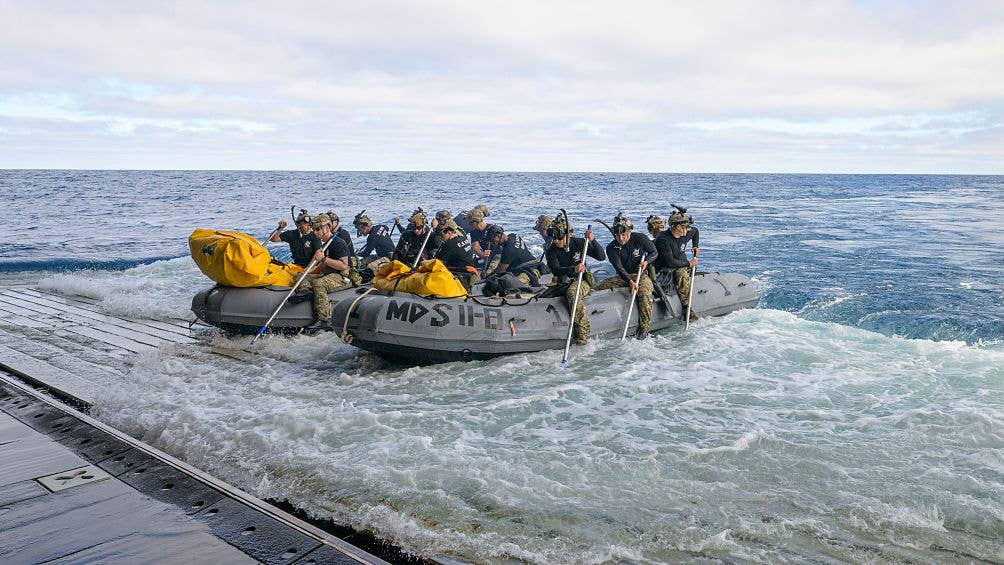
Commander Reid Wiseman, Pilot Victor Glover, and Mission Specialists Christina Koch and Jeremy Hansen (of the Canadian Space Agency) were recovered by U.S. Navy divers and hoisted onto the USS John P. Murtha. This diverse crew reached several milestones: Koch is the first woman to fly to the moon, Glover the first Black astronaut, and Hansen the first non-American. After their recovery, the astronauts were in high spirits, even walking across the ship's deck unassisted despite the physiological toll of reentering Earth's gravity at nearly 25,000 miles per hour. They are now transitioning back to the Johnson Space Center in Houston for medical evaluations and well-deserved reunions with their families.
 |
| Artemis II Crew Status: All Four Astronauts Safe After Splashdown |
Innovative Orion capsule technology provided a cramped yet functional home.
Living in the Orion capsule is a far cry from the spacious International Space Station; with only 330 cubic feet of habitable volume, it’s roughly the size of a moving van for four adults. Despite being 57% roomier than the old Apollo capsules, the mission wasn't without its "earthly" challenges. Mission Specialist Christina Koch earned the title of "space plumber" after the crew had to troubleshoot a $23 million toilet system malfunction involving a wastewater clog. They successfully utilized backup contingency urine disposal devices to keep the mission on track. This grit and ingenuity highlight the reality of deep-space travel—where even the most advanced tech requires a bit of human "can-do" spirit to keep things running smoothly.
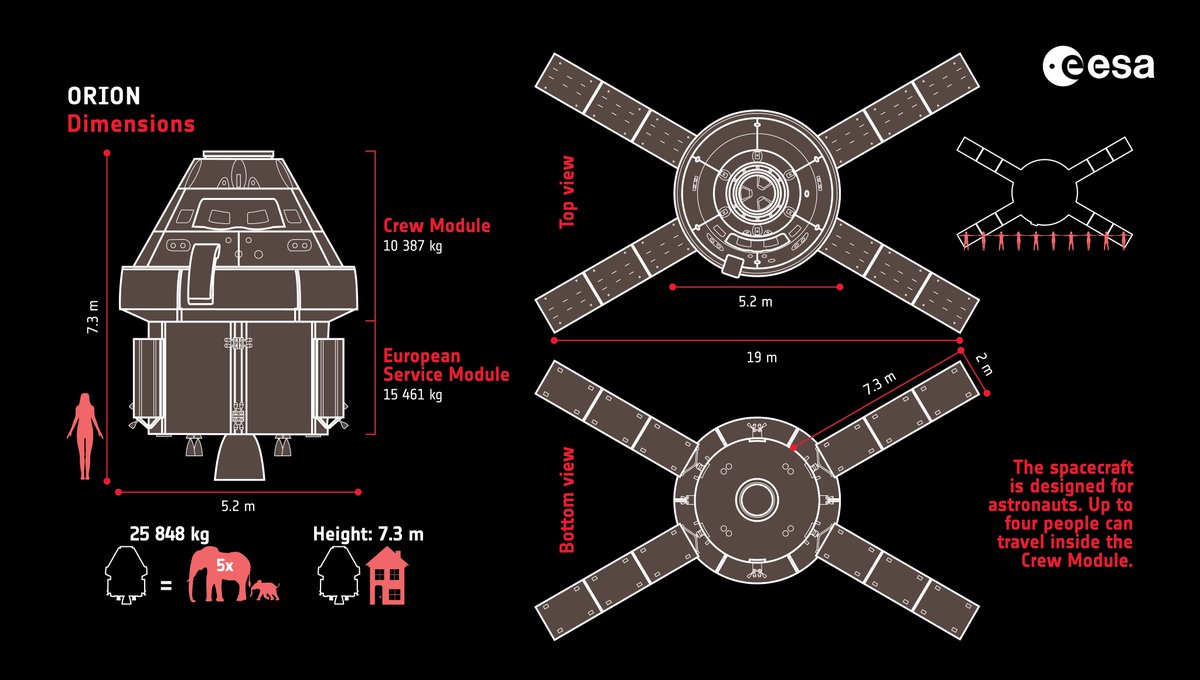 |
| The @NASA Orion capsule has a total interior volume of 330 cubic feet (about 9 cubic meters), providing roughly the same amount of habitable space as two minivans for its four-person crew. |
NASA looks toward a crewed moon landing in the future.
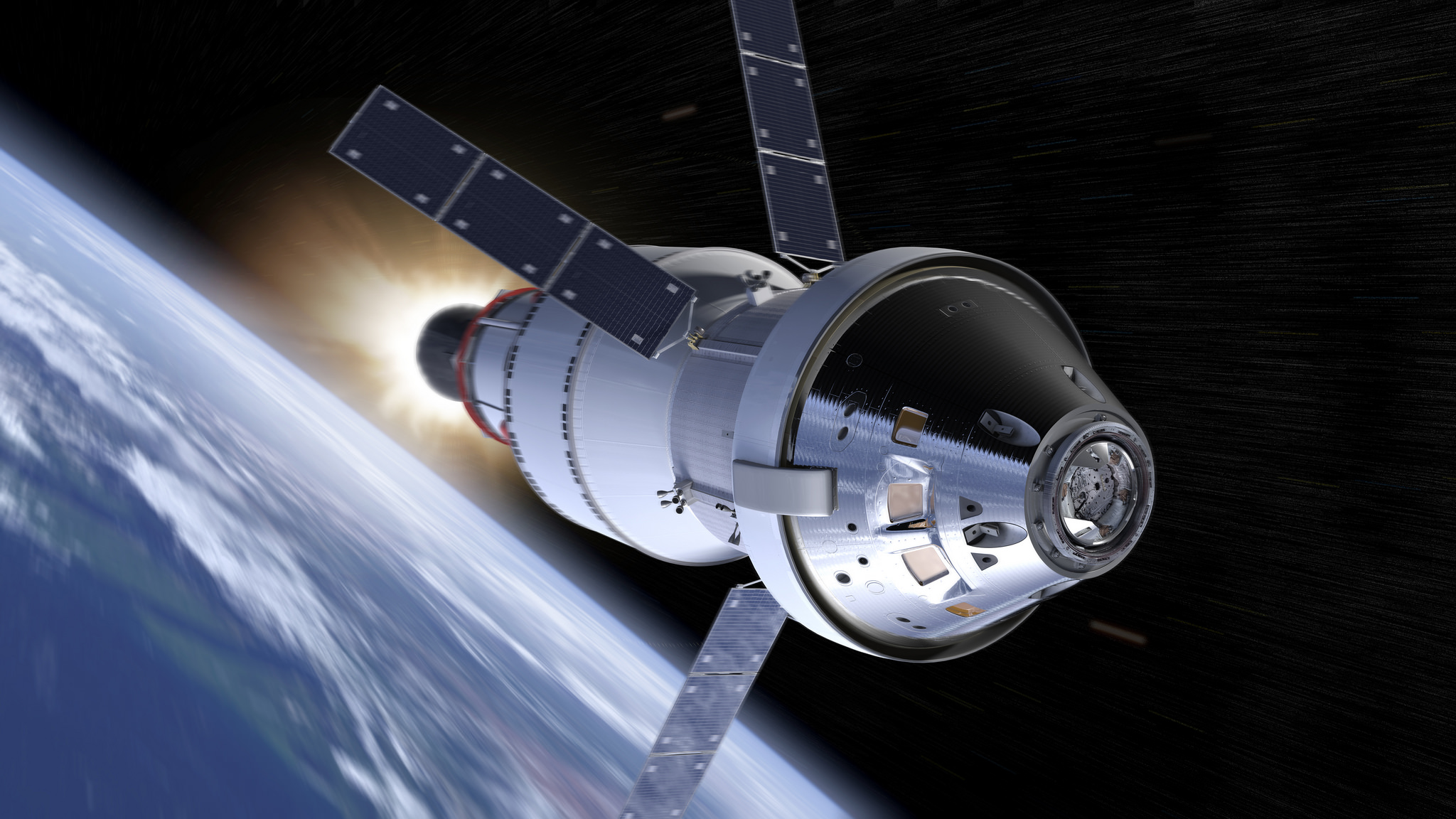
NASA Administrator Jared Isaacman, who watched the splashdown from the recovery ship, confirmed that this success paves the way for the Artemis III and IV missions. While some might confuse this with the "Apollo 2" or wonder if the Space Shuttle (retired in 2011) is involved, Artemis represents a new, sustainable era of exploration. Artemis III is currently slated for mid-2027 as a high-orbit docking test with SpaceX’s Starship, while the actual return to the lunar surface is now targeted for early 2028 with Artemis IV. The goal is no longer just a "footprint and a flag" but establishing a long-term presence on the moon to prepare for the eventual journey to Mars.



Comments