
Goldman Sachs beats quarterly estimates driven by a massive merger surge.


Goldman Sachs reported a significant profit increase following higher dealmaking. The investment banking division successfully capitalized on a revitalized mergers and acquisitions landscape throughout the first quarter of 2026. As corporate interest rates stabilized, institutional clients moved aggressively to execute long-delayed strategic combinations. This surge in activity allowed the firm to reclaim its dominant position as the world's leading advisor, resulting in a 28% increase in advisory fees compared to the previous year. The results prove that the appetite for large-scale corporate consolidation remains a primary driver of the bank's bottom-line success.
High market volatility boosts trading revenue for the investment giant.
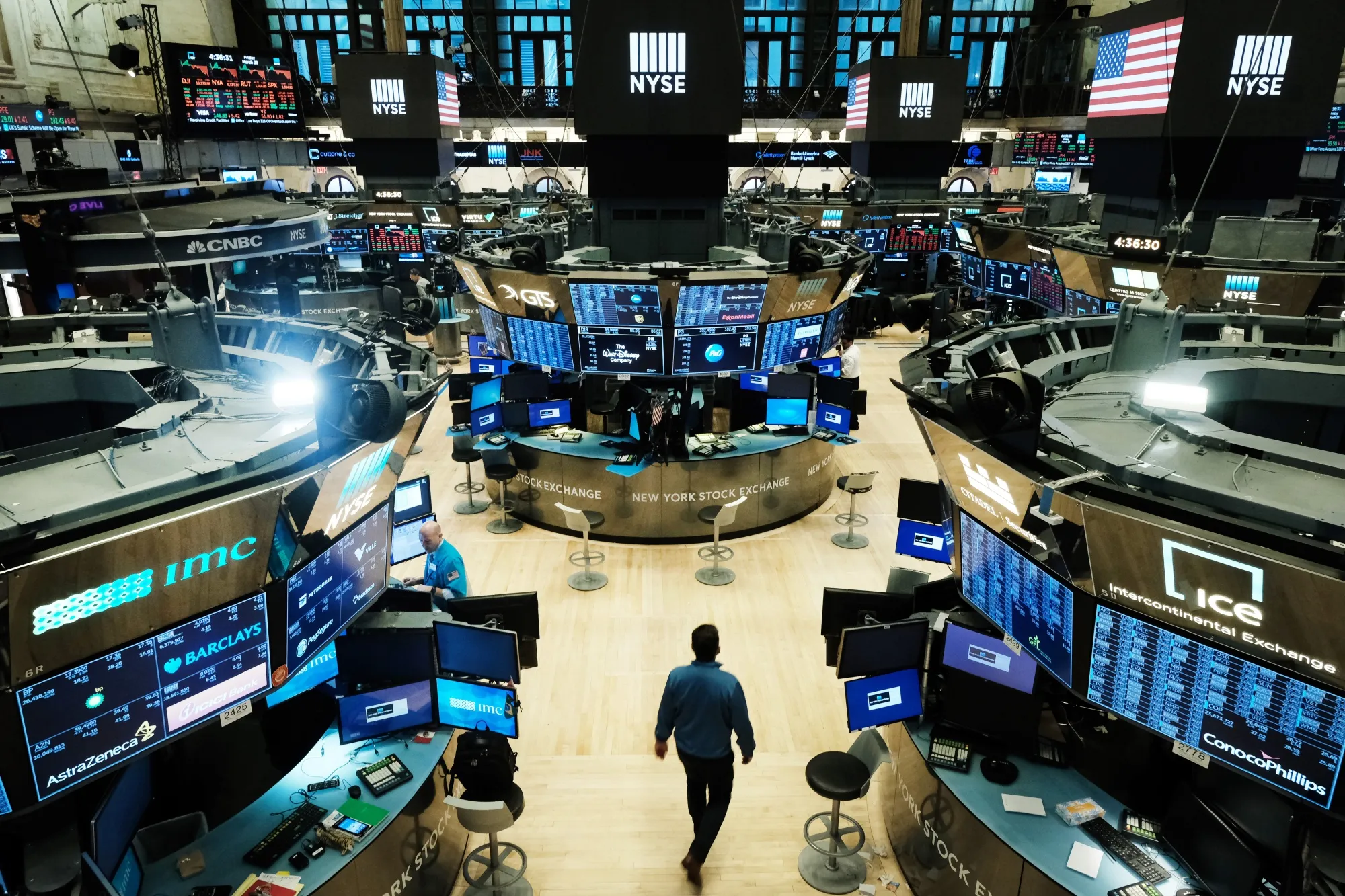
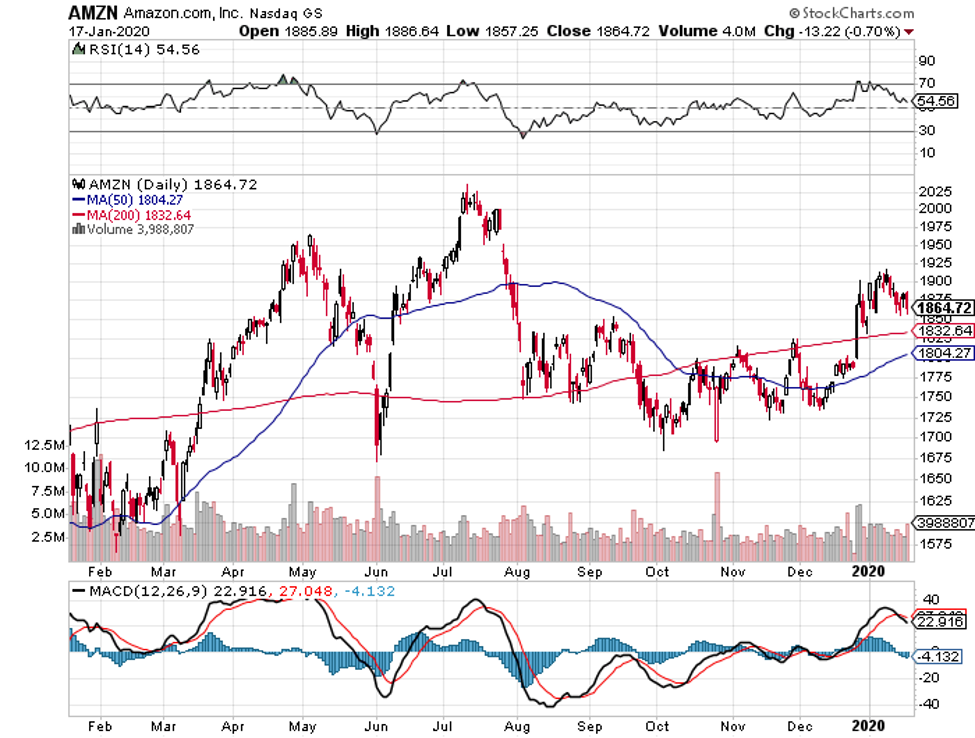
The fixed income and equity trading desks outperformed most analyst projections. Amidst the ongoing maritime tensions in the Middle East and the subsequent fluctuations in energy markets, Goldman's market-making operations saw unprecedented volume. Institutional investors moved rapidly to hedge their portfolios against supply chain shocks, creating lucrative spreads for the firm’s Fixed Income, Currency, and Commodities (FICC) division. This ability to navigate extreme macro-volatility highlights the bank’s structural advantage and its capacity to turn global uncertainty into a significant revenue stream for its diverse group of shareholders.
Diversified revenue streams provide stability amidst broader global economic uncertainty.
 |
| Goldman Sachs: assets under supervision 2009-2025| Statista |
Management highlighted the steady growth within the wealth management sector. Goldman Sachs continues to shift toward more durable, fee-based revenue to balance the inherently cyclical nature of institutional investment banking. The Asset and Wealth Management division reported a record level of assets under supervision, driven by strong inflows from international high-net-worth individuals seeking safety in U.S. capital markets. Looking ahead, the firm’s leadership expressed a cautiously optimistic outlook, noting that while geopolitical risks persist, the fundamental strength of corporate balance sheets supports a positive long-term trajectory for the GS stock forecast.
Investor confidence strengthens as the firm maintains its competitive edge.
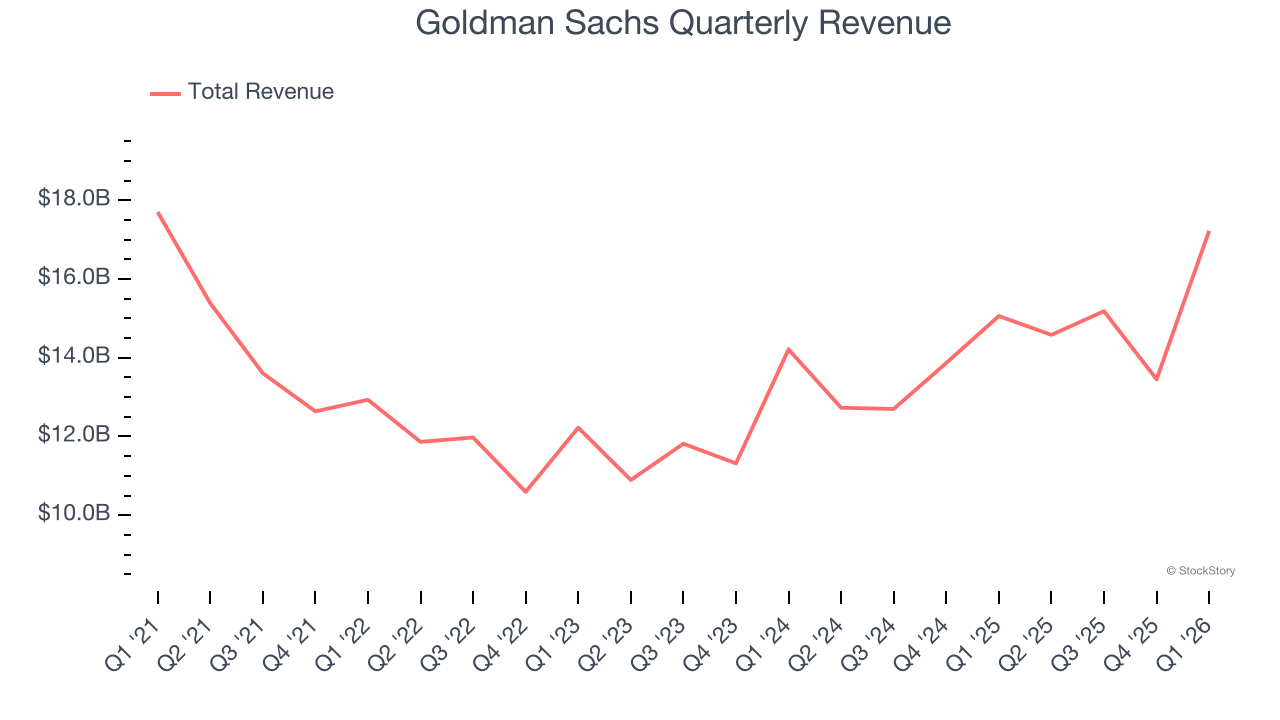

Analysts anticipate that the current momentum will sustain stock performance. Following the release of the Q1 results, GS shares saw a notable uptick in early trading as investors reacted to the firm’s operational efficiency. Market strategists point to the bank's improved return on equity and its disciplined cost-management initiatives as key indicators of superior organizational health. By integrating advanced AI-driven analytics into its proprietary trading platforms, Goldman is setting a new technological standard for the banking sector. As the earnings season progresses, the firm remains a vital bellwether for the resilience of the global financial supply chain.


Comments