
 |
| Oil Market's 'Worst Fears' Are Here as Gulf Conflict Hits Hormuz |
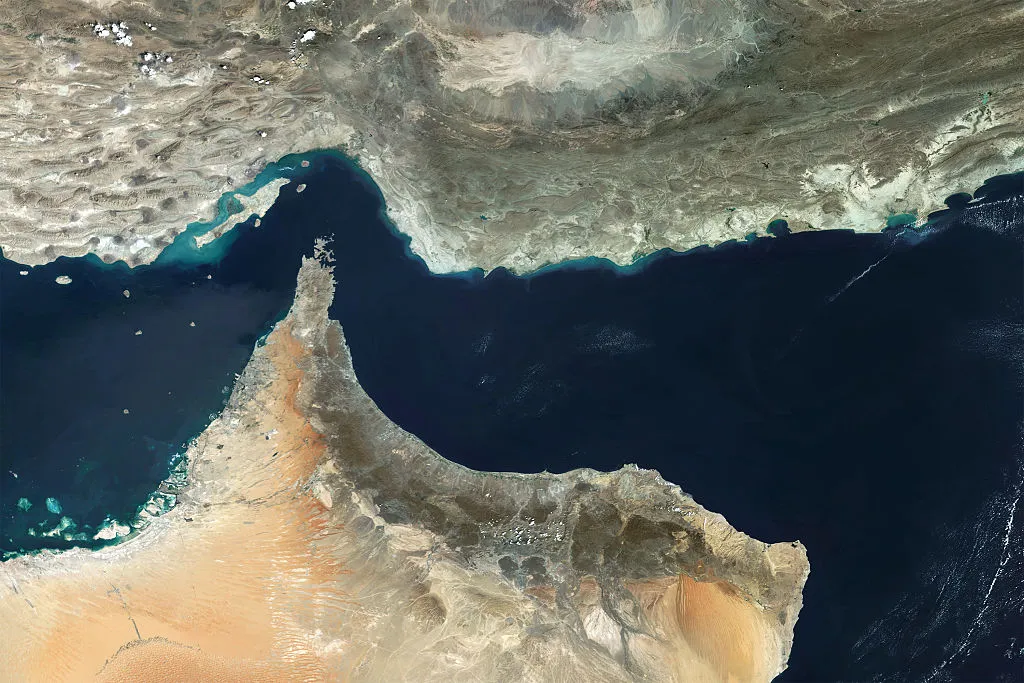
The announcement of a two-week ceasefire between the United States and Iran in April 2026 has initiated a tentative and highly controlled restoration of oil flows through the Strait of Hormuz. While the agreement has successfully pulled Brent crude prices down from their wartime peaks of $110+ toward the $92 range, the "reopening" of this critical chokepoint is far from a return to normalcy. Current maritime data reveals a restricted flow, with only 10–15 vessels permitted to transit daily—a stark contrast to the pre-conflict average of over 130 ships. This phased resumption is managed under a strict military-monitored protocol, with Iran exerting significant leverage over transit lanes, often rerouting tankers closer to its coastline near Larak Island for inspection. +2
 |
| Over 600 ships including 325 oil tankers stuck in the Strait of Hormuz despite ceasefire |
Staggered recovery phases are essential for clearing the massive backlog.
Logistical hurdles remain the primary barrier to a full recovery of Gulf energy exports. An estimated 136 million barrels of crude and refined products are currently stranded on approximately 200 tankers within the Persian Gulf, awaiting clearance. Industry analysts at Macquarie and the IMO suggest that even if the ceasefire holds, it will take at least two to four weeks for initial shipment volumes to stabilize and up to four months for a full operational recovery. The resumption is being handled in stages: a high-priority "Phase 1" focuses on clearing existing stranded cargo and granting selective exemptions to producers like Iraq, while "Phase 2" envisions broader participation under international security escorts. +3
 |
| Iranian Strikes Hit Saudi Arabia's Strategic Oil |
Market participants are pricing in a new era of tolls.
A significant shift in the Gulf regional oil industry is the proposed formalization of a transit fee system. Reports indicate that Iran may implement a toll of up to $1 per barrel for outbound oil shipments, potentially payable in digital currencies like Bitcoin to circumvent traditional financial sanctions. This "new normal" for Hormuz transit has compelled Asian energy importers to rethink their long-term logistics, with many shifting to 120-day strategic reserves. Meanwhile, producers with alternative infrastructure, such as Saudi Arabia’s East-West Pipeline and the UAE’s ports outside the Strait, are accelerating their reliance on routes that bypass the chokepoint entirely to mitigate future volatility.

ProducerExport Impact (at peak)Recovery StrategyIraq-82%Seeking "Exempt" status via SOMO for priority transit.Kuwait-75%Heavily dependent on Hormuz; focus on clearing tankers.Saudi Arabia-34%Utilizing the East-West Pipeline to Red Sea ports.UAE-26%Diverting flows to Fujairah (outside the Strait).Oman+16%
Note: The safety of approximately 20,000 seafarers currently aboard stranded vessels remains the top priority for the International Maritime Organization (IMO) during this fragile truce.


Comments