

You can almost feel the collective sigh of relief mixed with uncertainty across Canada right now. Prime Minister Mark Carney’s government has officially moved to suspend the federal excise tax on gasoline and diesel. The emergency measure, effective April 20, 2026, is a direct response to the global energy crisis triggered by the ongoing conflict in the Middle East and the blockade of the Strait of Hormuz.
It’s one of those moments where policy meets everyday worry at the pump.
The "Carney Cut"


Here’s what the move actually looks like on paper:
| Feature | Details |
|---|---|
| Duration | April 20, 2026 – September 7, 2026 (Labour Day) |
| Gasoline Relief | 10¢ per litre reduction (Excise tax to $0.00) |
| Diesel Relief | 4¢ per litre reduction (Excise tax to $0.00) |
| Fiscal Impact | Estimated $2.4 billion in lost federal revenue |
| Primary Goal | Mitigation of 40% fuel price surge since February 2024 |
For many families already stretching every dollar, those few cents per litre might not feel huge — but in a time when everything else seems to be getting more expensive, even small relief brings a bit of hope.
The Trucking Sector
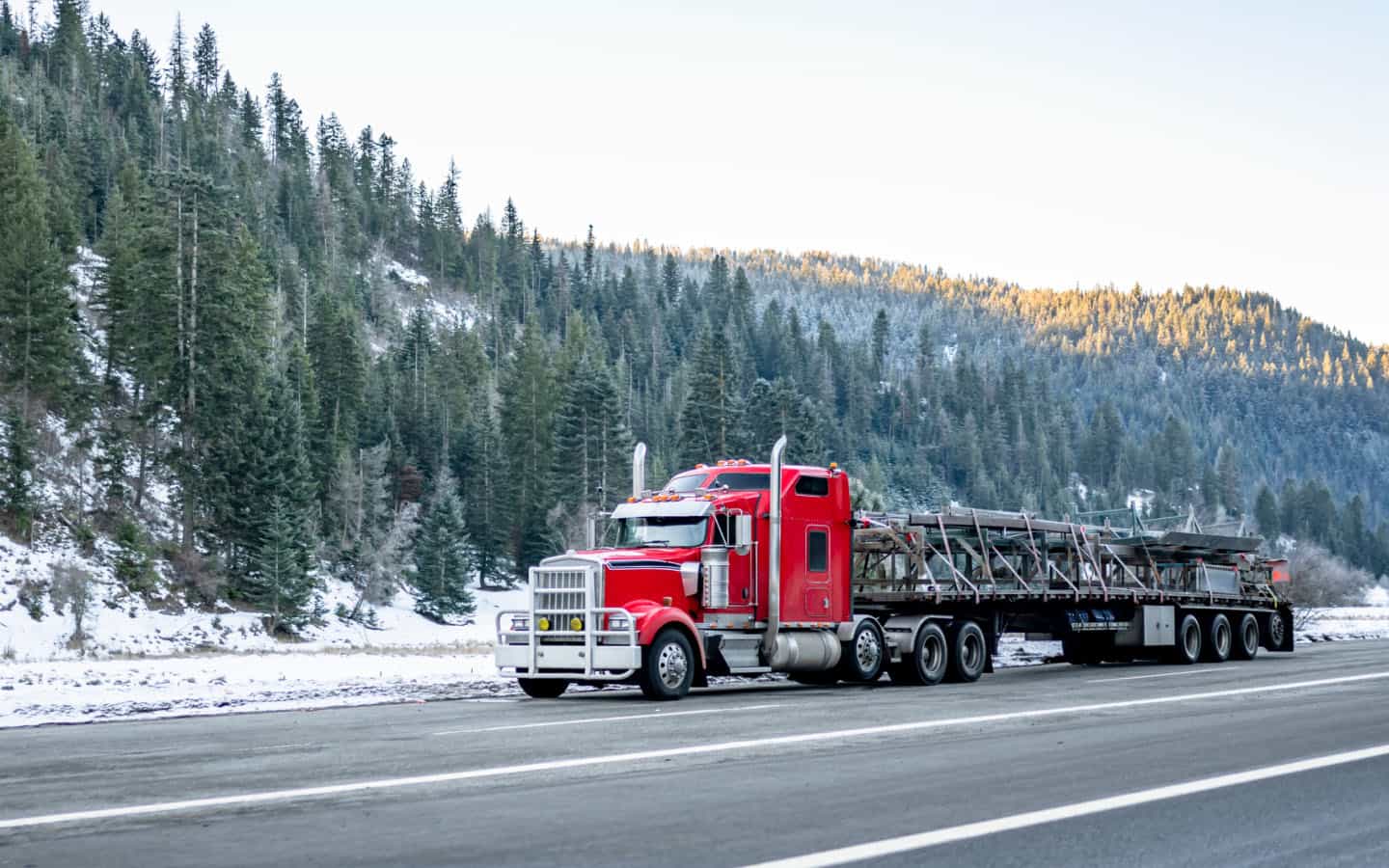
Truckers have been hit especially hard lately. The Manitoba Trucking Association (MTA) remains cautiously optimistic. While a 4-cent reduction on diesel translates to roughly $40 savings per 1,000-litre tank, industry experts note it is a "drop in the bucket" compared to current operating costs.
Still, any break helps. The relief may slightly slow the rise of "fuel surcharges" passed on to consumers for groceries and retail goods — which could mean a tiny bit of breathing room at the supermarket checkout.
The Agricultural Sector
Farmers are watching this closely too. For Canadian farmers, the impact is nuanced. Most farm-duty vehicles already use tax-exempt "marked" fuel.
The real win, as farmers like Kevin Peters point out, might be further down the line: lowering the cost for third-party logistics to deliver seed, fertilizer, and equipment. In tough seasons, every little bit in the supply chain counts.
The Aviation Industry

Even air travel could see some ripple effects. With aviation fuel included in the suspension, carriers like Porter Airlines and Air Canada are recalculating base fares.
Passengers may see a temporary stabilization in ticket prices — which feels like good news for summer travel plans. But airlines are quick to remind everyone that geopolitical volatility remains the primary driver of costs. So while it’s a helpful pause, no one is calling it a full solution just yet.
Geopolitical & Economic


This suspension comes at a critical juncture for the Carney administration. Following the U.S.-Iran conflict, Brent Crude has seen unprecedented volatility.
As one Finance Ministry spokesperson put it:
"This is a pragmatic temporary measure. We are losing revenue, but the risk of a total economic stall due to energy poverty is a greater threat to the treasury."
It’s a tough balancing act, and you can sense the weight of that decision.
Economist Shiu-Yik Au from the University of Manitoba calls it a "double-edged sword." On one hand, the cut provides immediate relief to the Consumer Price Index (CPI). On the other, lowering pump prices may temporarily incentivize higher fuel consumption, potentially stalling carbon reduction targets for Q3 2026.
It leaves many Canadians wondering: will this short-term help actually support long-term stability, or are we just kicking bigger challenges down the road?


Comments