
Beyond the Dashboard: Why Tesla’s Q1 Delivery Numbers Prove Elon Musk Was Right
Tesla released its Q1 2026 delivery report on Thursday, April 2, and while Wall Street analysts are hovering over a slight “miss” compared to consensus estimates, the data tells a much deeper story. With 358,023 vehicles delivered globally, Tesla isn’t just a car company anymore — it’s officially an AI and robotics powerhouse in mid-transformation.
The numbers reflect stability in a maturing EV market, but the real headline is the deliberate strategic pivot: factory space once used for legacy models is now being converted for Optimus humanoid robots, while energy storage hits new highs to power the AI boom.
 |
| Tesla Q1 2026 Delivery Chart Showing 6% YoY Growth (Source: Tesla Investor Relations via CleanTechnica Analysis) |
The Numbers: A Story of Stability, Not Stagnation
Key Takeaways
- 6% year-over-year growth despite a challenging global EV market
- Strategic inventory build of nearly 50,000 vehicles as factory lines shift to next-gen priorities
- Energy storage surges to a record 8.8 GWh
In Q1 2026, Tesla delivered 358,023 vehicles — a solid 6% increase from 336,681 units in Q1 2025. While this fell short of the ~365,000 Wall Street consensus, it highlights a critical reality Musk has been signaling for years: the “S-Curve” of the Model 3 and Model Y has matured.
Q1 2026 Breakdown
- Model 3 and Model Y: 341,893 deliveries (over 95% of total volume)
- Other Models (Cybertruck, Semi, final wave of Model S/X): 16,130 deliveries
- Production: 408,386 vehicles — creating a deliberate ~50,000-unit inventory buffer
Tesla produced nearly 50,000 more vehicles than it delivered. In the past, this would have been viewed as a demand red flag. In 2026, it represents disciplined inventory management during the Fremont factory’s transition of legacy Model S/X lines into Optimus Gen 3 production hubs.
Q1 2025 vs. Q1 2026 Comparison Table
| Metric | Q1 2025 | Q1 2026 | YoY Change |
|---|---|---|---|
| Vehicle Deliveries | 336,681 | 358,023 | +6% |
| Vehicle Production | Not disclosed | 408,386 | ~50,000-unit inventory build |
| Energy Storage (GWh) | Not disclosed | 8.8 (new record) | Record high growth |
"80% of Tesla’s Value is Optimus"
In September 2025, Elon Musk made a bold claim on X: “~80% of Tesla’s value will be Optimus.” The Q1 2026 figures validate this vision and the “honorable discharge” of older vehicle platforms.
By winding down Model S and X production, Tesla is reallocating its most valuable resource — factory floor space — to the Tesla Bot. The long-term target is one million robots per year from Fremont alone. This is not a retreat from vehicles; it is a calculated trade of low-margin automotive volume for the high-margin robotics and autonomy revolution.
 |
| Tesla Fremont Factory Shift: Legacy Model S/X Lines Being Repurposed for Optimus Production (2026) |
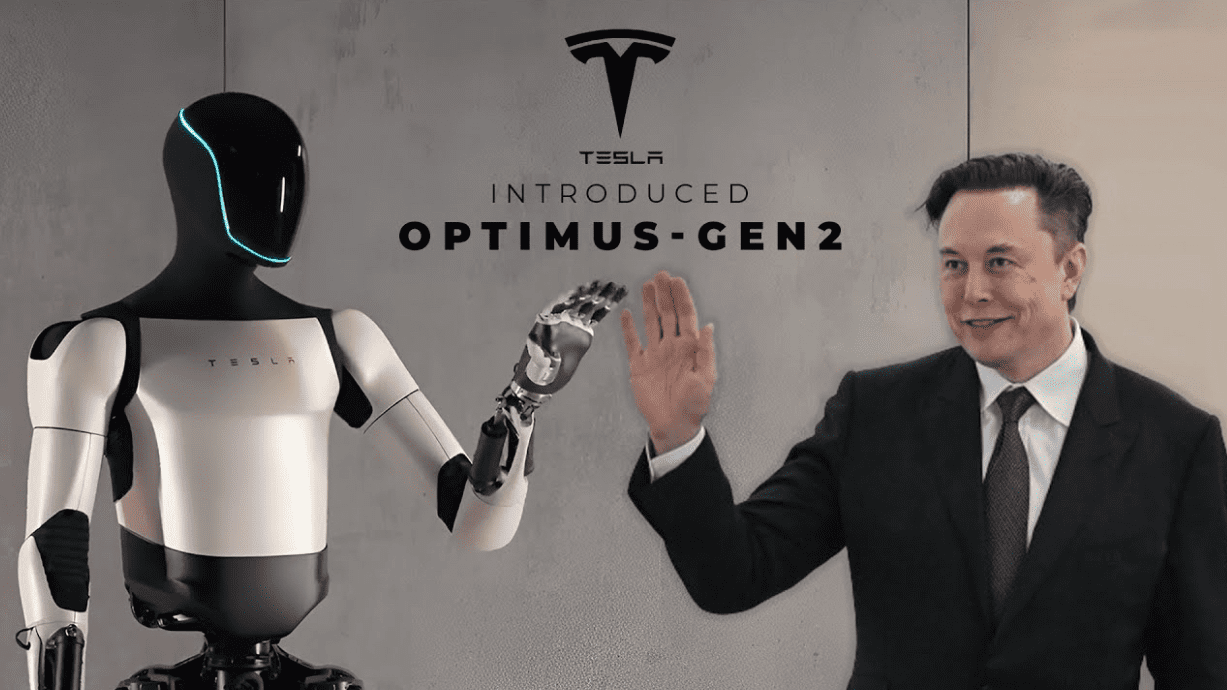 |
| Elon Musk and Optimus Gen 2: The Humanoid Robot Platform Poised to Drive 80% of Tesla’s Future Value |
Energy and Autonomy: The Silent Growth Engines
While headlines obsess over car deliveries, Tesla’s Energy division delivered a staggering 8.8 GWh of storage deployments in Q1 2026 — a new record. This surge is driven by exploding demand for Megapacks to power AI data centers worldwide.
Key Takeaway: Tesla is now the literal “powerhouse” behind the global AI boom, supplying the grid stability required for the world’s largest language-model clusters.
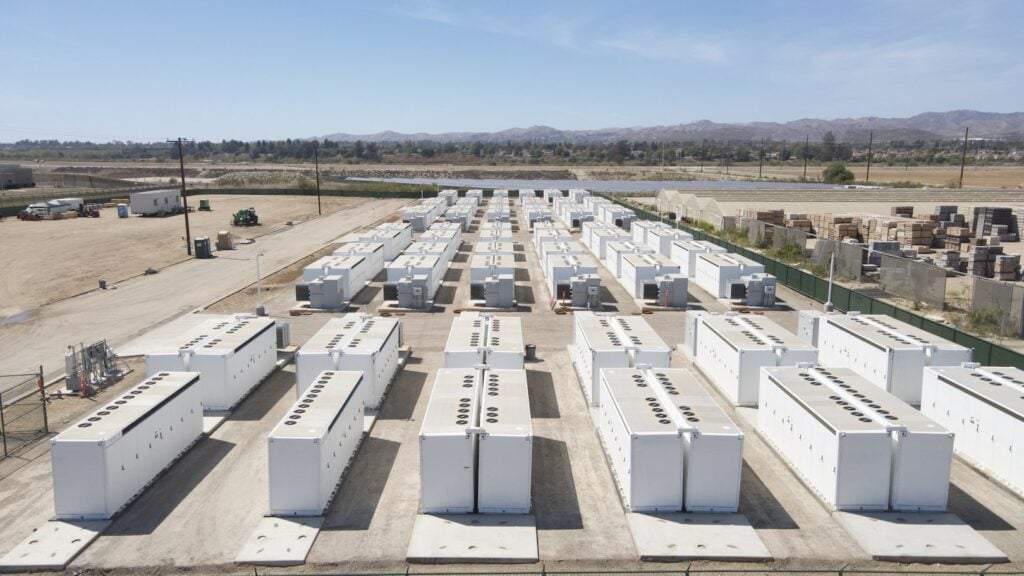 |
| Tesla Megapack Energy Storage Deployment: Powering the AI Data Center Boom (Q1 2026 Record) |
Is the “Car Company” Era Over?
Critics may argue that missing delivery estimates signals weakness. However, for long-term investors looking at 2027 and beyond, this “miss” is simply a side effect of a deliberate transition. Tesla is no longer chasing volume at any cost — it is chasing autonomy, intelligence, and robotics.
Expert Insight “Tesla’s Q1 results confirm what we’ve been saying: the company is successfully pivoting from pure EV volume to AI, robotics, and energy. This is exactly why we maintain our Outperform rating.” — Dan Ives, Managing Director, Wedbush Securities (April 2026)
What This Means for Tesla Investors and the Future
The era when Tesla’s valuation rose and fell solely on Model Y numbers is ending. The Q1 2026 data proves Elon Musk’s multi-year thesis: the auto business is becoming one important piece of a much larger AI-powered ecosystem.
- Robotaxis & Full Self-Driving: Software margins that dwarf hardware
- Optimus Scaling: Factory conversions already underway for mass production
- Energy Independence: Megapacks powering AI infrastructure globally
Tesla will report full Q1 2026 financial results on April 22, 2026. Until then, this delivery update stands as clear proof that Musk’s “robot-first” gamble is paying off in real time.
 |
| Tesla Current Vehicle Lineup (Model S, 3, X, Y, Cybertruck): Still Foundational — But Now Funding the AI, Robotics, and Energy Future |
Do you view Tesla primarily as a car company or an AI/robotics company in 2026? Vote and share your reasoning — your input helps shape the conversation!


Comments