
Commercial tankers navigate the Strait amid heightened military and naval activity.

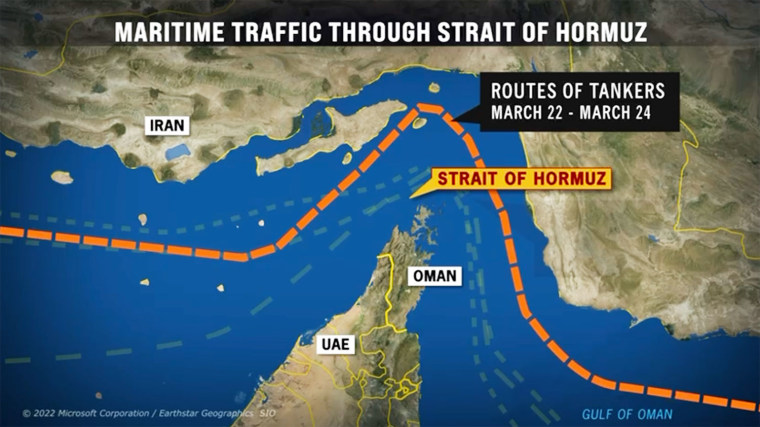
Three commercial tankers began a dangerous voyage through the Strait. As the United States initiates a formal naval blockade of Iranian ports following the collapse of peace talks in Islamabad, the Agios Fanourios I, Mombasa B, and Shalamar have become the focus of global maritime tracking. These vessels are attempting to navigate the narrow 21-mile corridor at a moment when the Iranian Revolutionary Guard has declared any military-adjacent movement a violation of national sovereignty. This high-stakes transit represents a critical test of freedom of navigation in a zone where war-risk insurance premiums have already surged by 400%, effectively pricing many independent operators out of the region while leaving state-backed fleets to face the escalating physical risks of mines and drone activity.
Market volatility spikes as energy futures react to the blockade.
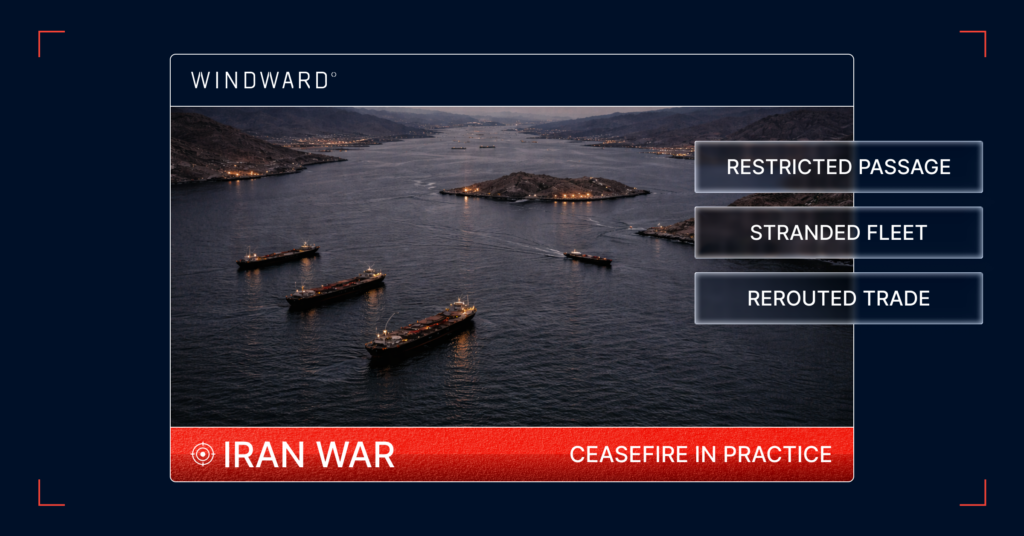 |
| Hormuz After the Ceasefire: Controlled Access, Not Reopening |
Crude oil prices surged as investors reacted to the blockade. Within minutes of the news that diplomatic efforts had failed, Brent crude futures spiked past $135 per barrel, reflecting a "fear premium" not seen since the initial energy shocks of the early 2020s. Financial analysts at major institutions are now pricing in a prolonged disruption, warning that a total closure of the Strait could send prices into uncharted territory. The energy sector of the S&P 500 has become a outlier of growth in an otherwise bleeding market, as the VIX volatility index hits its highest level in four years. For global traders, the three-tanker transit is a real-time barometer for the viability of future shipments and the stability of the global petroleum supply chain.
Military assets deploy to enforce the newly declared maritime blockade.
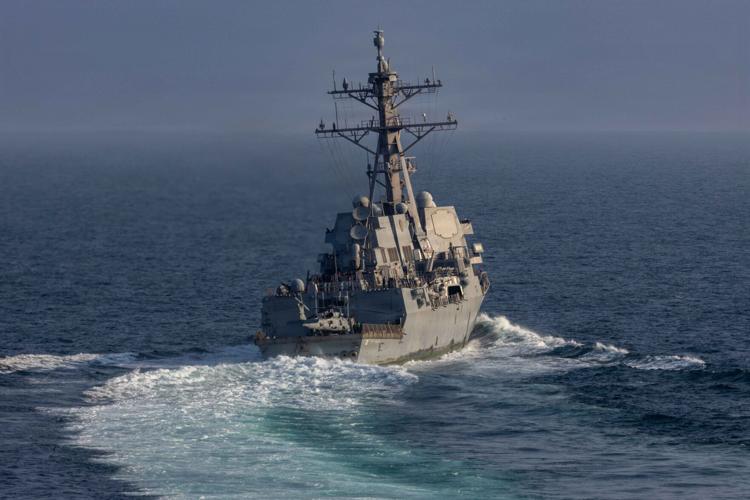
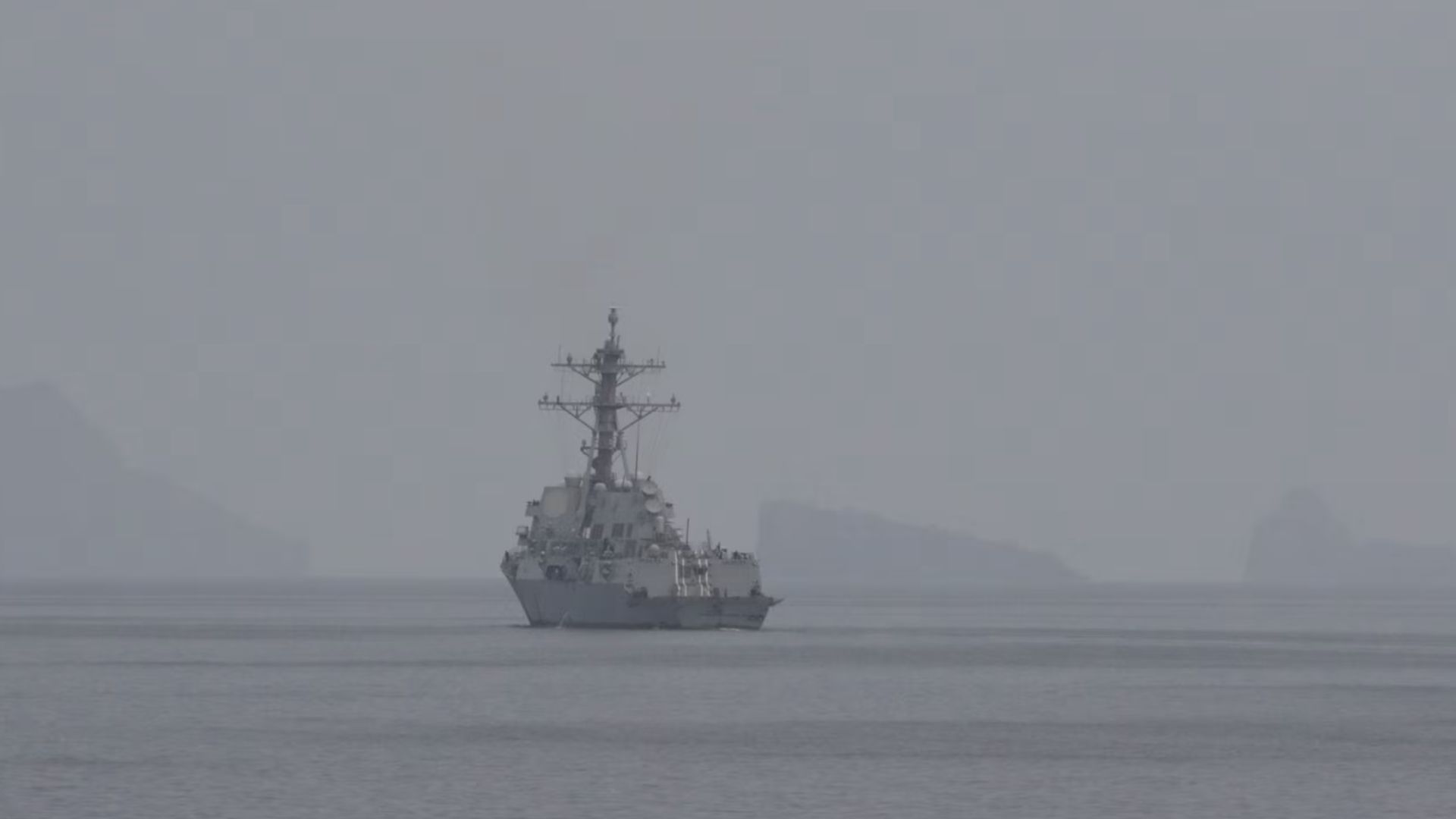
Failed diplomatic talks in Pakistan triggered an immediate naval mobilization. The transition from a fragile ceasefire to a targeted blockade has shifted the geopolitical landscape of the Persian Gulf overnight. U.S. Central Command confirmed that the blockade will specifically target vessels entering or exiting Iranian coastal areas, while attempting to maintain open lanes for neutral trade with the UAE and Kuwait. However, the proximity of these shipping lanes to Iranian-controlled islands like Larak and Abu Musa makes "impartial enforcement" a logistical nightmare. Iranian officials have responded by calling the move an act of "maritime piracy," threatening that no port in the region will remain safe if their own oil exports are throttled by Western naval intervention.
Shipping congestion grows near the critical Middle East energy artery.
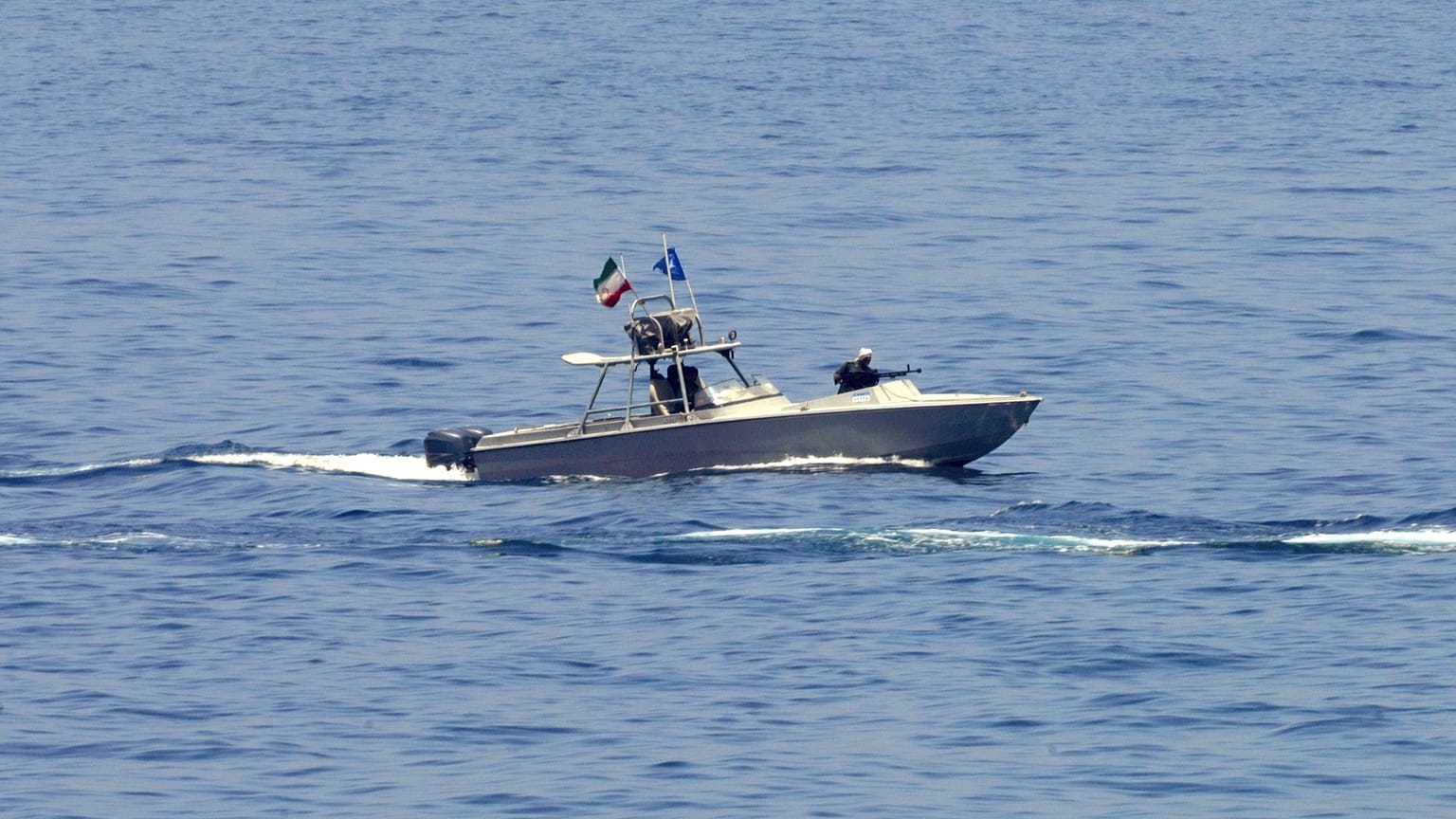 |
| US-flagged tanker challenged by Iranian gunboats in Strait of Hormuz |
Global supply chains face extreme pressure from restricted maritime traffic. The immediate impact of the blockade is visible in the growing backlog of over 150 tankers now anchored in the Gulf of Oman, waiting for security clearances or new routing instructions. This maritime congestion is creating a massive ripple effect through the logistics industry, leading to record-breaking "rollovers" at transshipment hubs and a shortage of available hulls for long-haul routes. As manufacturing hubs in Asia and Europe begin to draw down their strategic petroleum reserves, the economic cost of the "Hormuz Bottleneck" is being felt in rising fuel surcharges and delayed raw material deliveries. The success or failure of the current transit attempts will likely dictate global energy policy for the remainder of 2026.
How are your logistics or investment portfolios preparing for the potential of a long-term energy blockade in the Middle East?


Comments