
 |
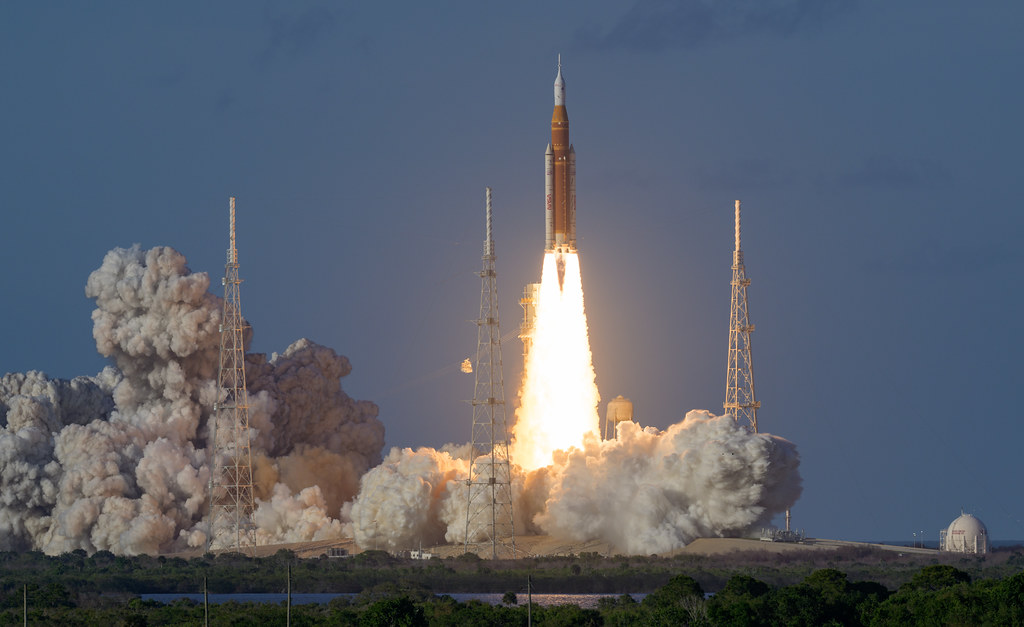
| Liftoff! NASA Launches Astronauts on Historic Artemis Moon Mission - NASA |
The four astronauts aboard NASA’s Artemis II mission — Commander Reid Wiseman, Pilot Victor Glover, Mission Specialist Christina Koch, and CSA astronaut Jeremy Hansen — are experiencing unprecedented views of deep space as Orion swings around the Moon. During the six-hour lunar flyby window on April 6, 2026, the crew is capturing high-resolution photographs and providing live observations of the Moon’s far side, including delicate lunar landforms and craters never directly witnessed by human eyes in this lighting and proximity.
 |
| Watch Artemis II's Closest Approach to The Moon |
From roughly 4,000 miles above the lunar surface at closest approach, the astronauts see the heavily cratered far side of the Moon appear basketball-sized at arm’s length. They are also treated to stunning Earthrise views, with our planet appearing as a slender crescent against the blackness of space. NASA simulations and real-time imagery confirm the crew is documenting subtle surface features and refining observation targets that will inform future Artemis landings.
 |
| NASA releases stunning first photos of Earth from Artemis II moon mission | Science and Technology News | Al Jazeera |
These visuals — including never-before-seen perspectives of lunar landmarks — represent humanity’s first crewed return to the vicinity of the Moon since Apollo and provide critical data for future missions.
Artemis 2 Mission Timeline: Key Events from Launch to Splashdown
NASA’s official Artemis II timeline outlines a precisely orchestrated 10-day journey. Here is the sequence based on real-time mission updates:
- Day 1 (April 1, 2026): Liftoff from Kennedy Space Center’s Launch Complex 39B at 6:35 p.m. EDT aboard the SLS rocket. Orion separates and enters initial Earth orbit.
- Day 2: Translunar injection burn propels the spacecraft out of Earth orbit toward the Moon.
- Days 3–4: Outbound transit with system checkouts, Earth and Moon imaging exercises, and crew observations.
- Day 6 (April 6, 2026): Lunar flyby at closest approach — the mission’s scientific and visual highlight.
- Days 7–10: Return trajectory corrections, re-entry preparations, and splashdown off California’s coast around April 11.
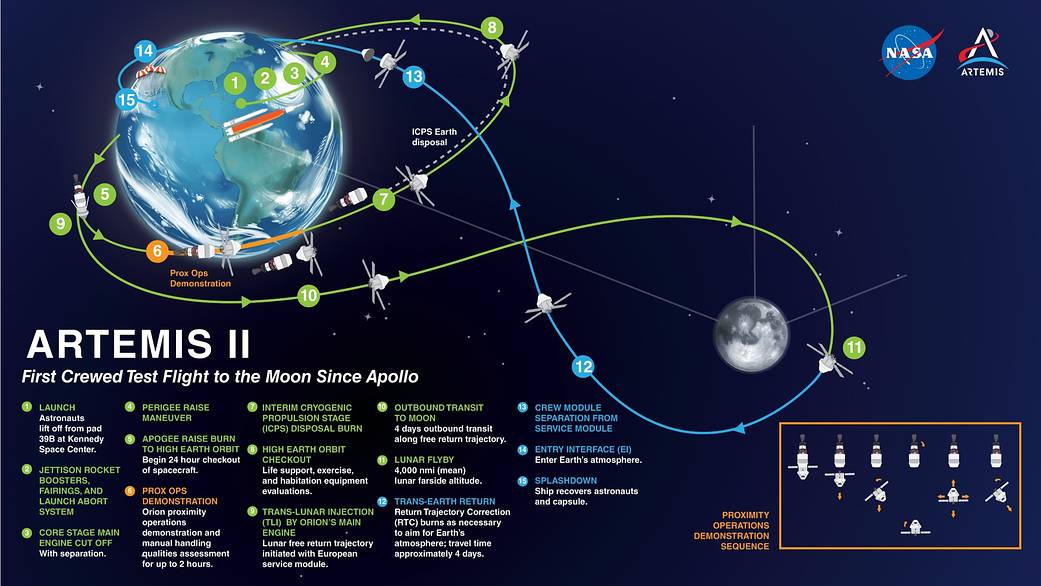 |
This timeline, drawn directly from NASA’s Artemis II mission maps and daily briefings, ensures the crew tests Orion’s deep-space capabilities while gathering data for Artemis III and beyond.
NASA Artemis 2 Launch Date: When Did the Historic Crewed Mission Begin?
NASA’s Artemis II officially launched on April 1, 2026, at 6:35 p.m. EDT from Launch Pad 39B at Kennedy Space Center in Florida. The SLS rocket carried the Orion spacecraft and its international crew on the first crewed flight of the Artemis program.
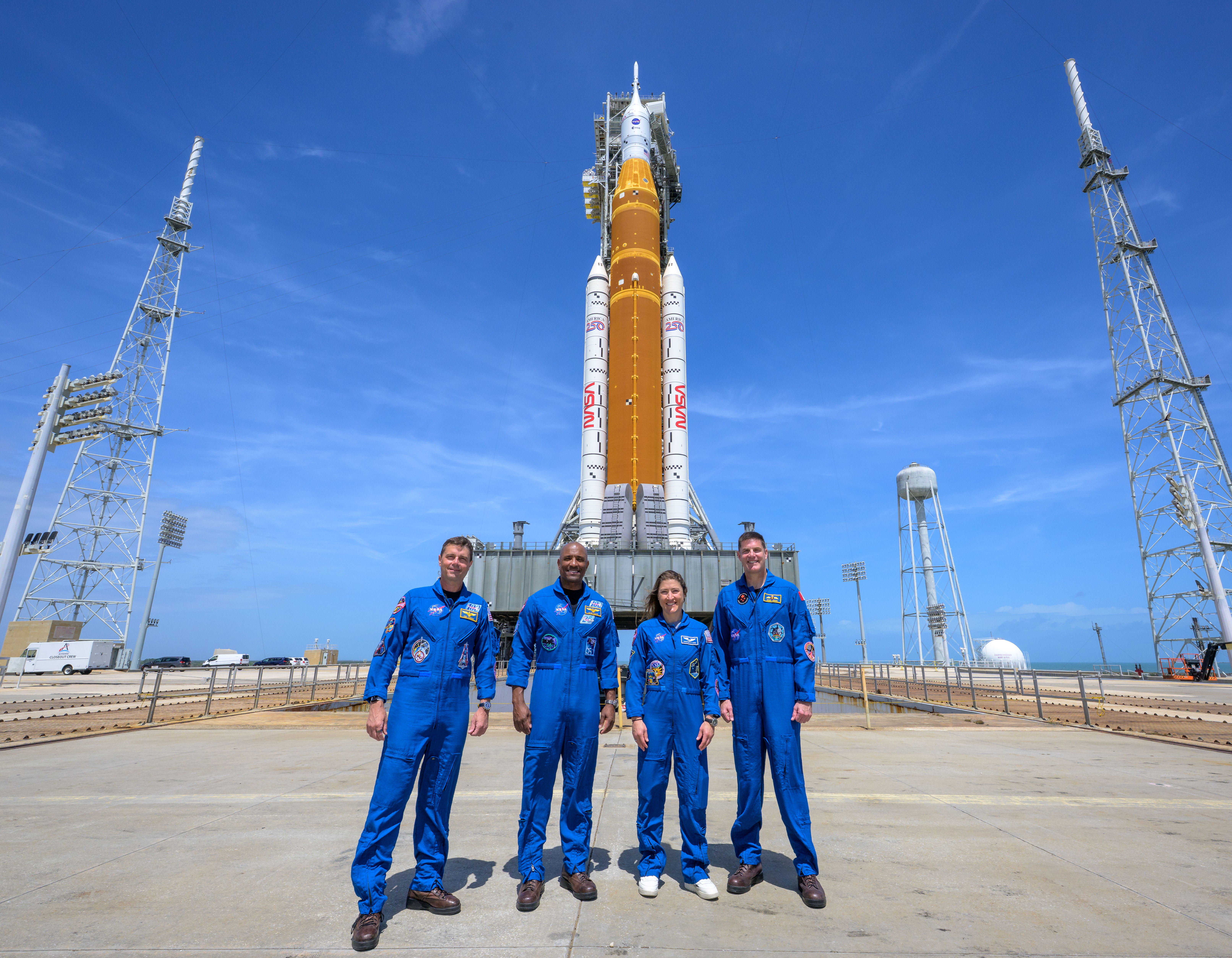 |
| NASA Teams Readying Artemis II Moon Rocket for Launch - NASA |
This date marked the beginning of humanity’s return to deep space after more than 50 years, with live countdown coverage and post-launch briefings confirming a flawless ascent and orbital insertion.
How Long Is the Artemis 2 Flight? Full Mission Duration and Return Details
The Artemis II flight lasts approximately 10 days from launch to splashdown. Launched on April 1, 2026, the mission is scheduled to conclude with a Pacific Ocean splashdown around April 11, 2026. This duration includes the outbound journey, lunar flyby, and return leg, allowing the crew to thoroughly test Orion’s life-support systems, navigation, and re-entry capabilities in the harsh environment of deep space.
 |
| The Trajectory of the Artemis II Moon Mission Is a Feat of Engineering |
NASA confirms the total distance traveled exceeds 695,000 miles, providing the most comprehensive crewed test flight since the Apollo era.
Artemis 2 Lunar Flyby Distance: How Close Will the Crew Get to the Moon?
During the lunar flyby, Orion passes within 4,066 miles (6,543 km) of the Moon’s surface at closest approach — close enough for detailed observation but safely outside lunar orbit. At this distance, the crew reaches a maximum distance from Earth of 252,757 miles, surpassing the Apollo 13 record by more than 4,000 miles.
 |
| Ready or not, key engine burn puts NASA's Artemis II on path to the moon |
These precise figures come from NASA’s trajectory data and flight dynamics team, ensuring both safety and maximum scientific return from the flyby. The distance enables breathtaking, high-resolution imagery of the lunar far side while demonstrating Orion’s performance for future crewed lunar landings.
All information is sourced directly from NASA’s official Artemis II mission pages, live updates, and multimedia releases as of April 6, 2026. For the latest images and data, visit NASA.gov/Artemis-II.


Comments