How Artificial Intelligence Demand Pushed Dell To Record Financial Heights
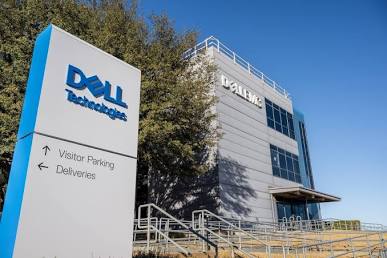 |
| Dell Technologies headquarters celebrating record-breaking quarterly financial success |
Dell Technologies completely blew past Wall Street expectations in its first-quarter fiscal 2027 earnings report, showing just how fast the enterprise landscape is shifting. Total revenue hit a massive $43.8 billion, marking a staggering 88% increase compared to the same period last year and easily clearing the predicted $35.4 billion mark. Profitability followed the exact same explosive trajectory, with non-GAAP diluted earnings per share skyrocketing 214% to $4.86, completely crushing the consensus analyst estimate of $2.90. This unprecedented growth proves that massive corporate investments in cutting-edge computing hardware are transforming from a future trend into a real-time revenue powerhouse.
Why AI Infrastructure Orders Sparked A Massive Record Backlog
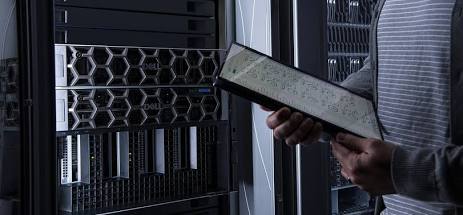 |
| High-density Dell enterprise servers designed to handle heavy artificial intelligence workloads.. |
What Lies Ahead For Shareholders And General Tech Markets
Thanks to this unparalleled operational momentum, leadership confidently raised its full-year fiscal 2027 revenue guidance to a range between $165 billion and $169 billion. The company anticipates that dedicated AI server sales will account for roughly $60 billion of that total by the close of the year, cementing its dominant market footprint alongside close architectural partners like Nvidia. While component supply chains remain highly competitive and memory parts serve as a minor growth bottleneck, the stock market reacted with immediate optimism, driving Dell shares up over 4% in aftermarket trading. Shareholders also enjoyed direct rewards during this blowout window, as Dell returned $2.1 billion through consistent dividends and aggressive share buybacks.


Comments