

The latest Consumer Price Index (CPI) report from the U.S. Bureau of Labor Statistics confirms what many American households are already feeling at the pump, grocery store, and in their monthly budgets: inflation is back on the rise. For the 12 months ending in April 2026, the all-items CPI increased 3.8%, up from 3.3% in March. This marks a noticeable acceleration, driven heavily by energy prices surging in the wake of geopolitical tensions involving Iran.
Real wages are under pressure. Even if your nominal paycheck shows a modest increase, your purchasing power is eroding. This comprehensive guide breaks down the data, causes, impacts on everyday life, broader economic effects, and practical steps you can take to protect your finances.
Understanding the April 2026 CPI Report: Key Numbers
The BLS reported that the CPI-U (Consumer Price Index for All Urban Consumers) rose 0.6% on a seasonally adjusted basis in April, following a sharper 0.9% gain in March. On a not-seasonally-adjusted basis, the 12-month increase hit 3.8%.
Breakdown of major components:
- Energy index: Up dramatically, with a 17.9% year-over-year increase, fueled by oil price shocks.
- Food index: Rose 3.2% over the year.
- All items less food and energy (core CPI): Increased 2.8%, up from 2.6% previously, indicating some broadening of pressures.
Image: Line chart showing US CPI YoY from early 2025 to April 2026, highlighting the recent uptick to 3.8%.
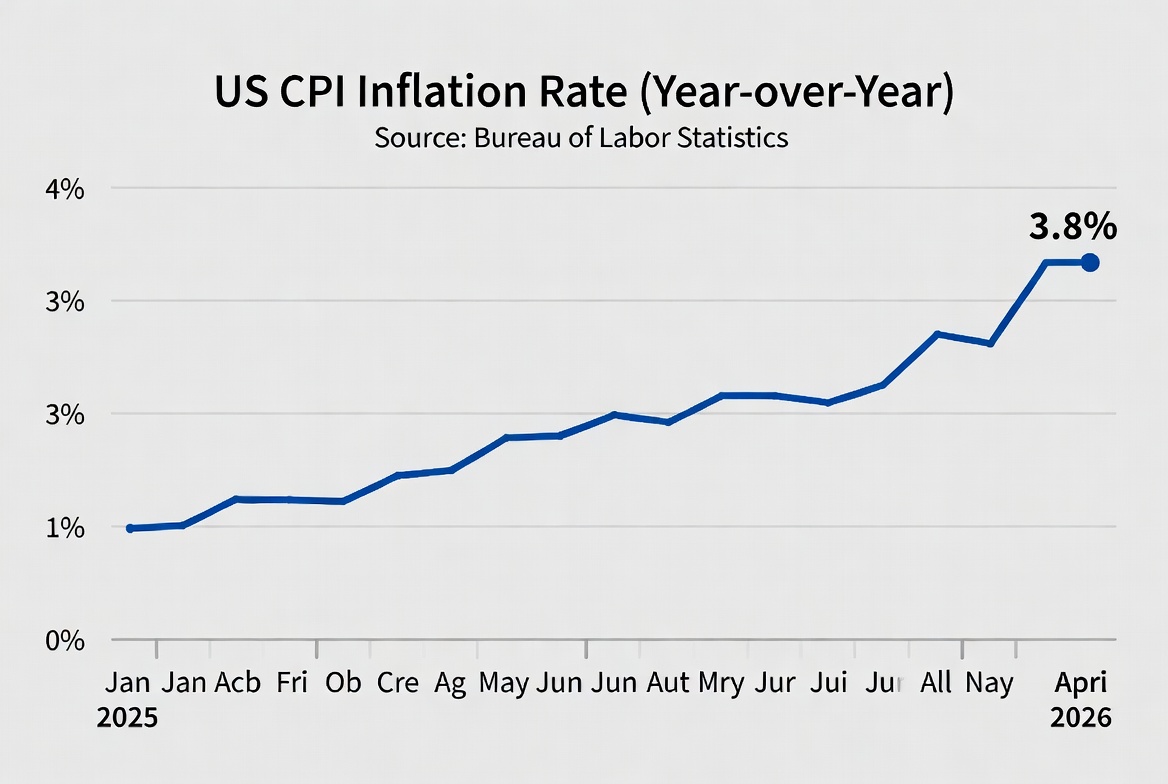
This acceleration comes after a period of cooling inflation, reversing some gains made in late 2025.
The Iran Conflict: A Major Catalyst for Energy-Driven Inflation
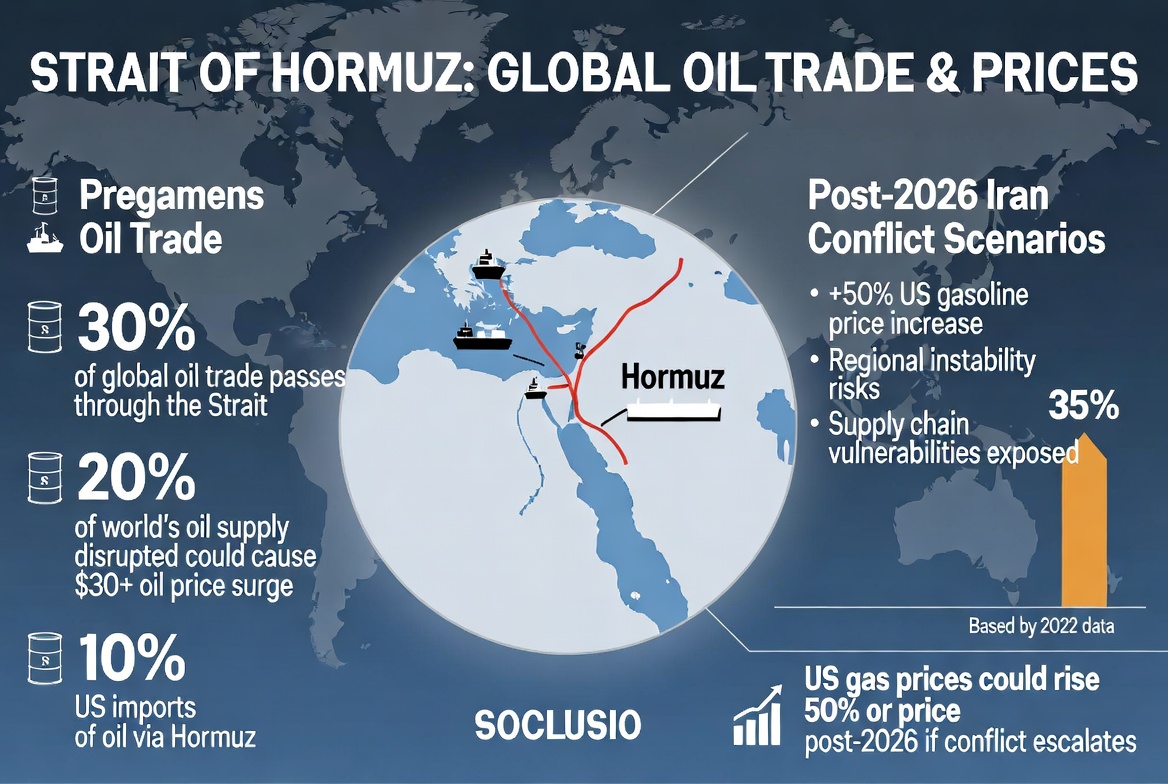
The resurgence in inflation is closely tied to the 2026 Iran conflict, which disrupted global oil supplies, particularly through tensions around the Strait of Hormuz. Oil prices spiked, pushing U.S. gasoline prices above $4 per gallon in many areas—the highest in over three years.
Economists note that even a relatively short disruption can have outsized effects. Models suggest headline inflation could see additional upward pressure of 0.35–1.47 percentage points depending on the duration of supply issues.
Gasoline and energy costs feed into broader prices: higher transportation costs raise food and goods prices, while creating second-round effects on wages and expectations.
Image: Map or infographic of Strait of Hormuz with oil flow arrows and price impact callouts on US gas prices.
How Inflation Makes Your Paycheck Feel Smaller: Real Wages and Purchasing Power
Inflation acts as a hidden tax on your income. If wages don't keep pace, real (inflation-adjusted) earnings decline.
Recent BLS data on real average hourly earnings showed mixed results earlier in the year, with some months seeing declines month-over-month amid the CPI jump. Year-over-year real wage growth has been modest or negative for many, especially as energy costs bite into disposable income.
Example calculation: Suppose your annual salary is $60,000. At 3.8% inflation, you need roughly a $2,280 raise just to maintain the same purchasing power. Many workers aren't seeing that, particularly in sectors with slower wage growth.
Lower- and middle-income households feel this most acutely, as they spend a higher proportion of income on essentials like food, housing, and fuel.
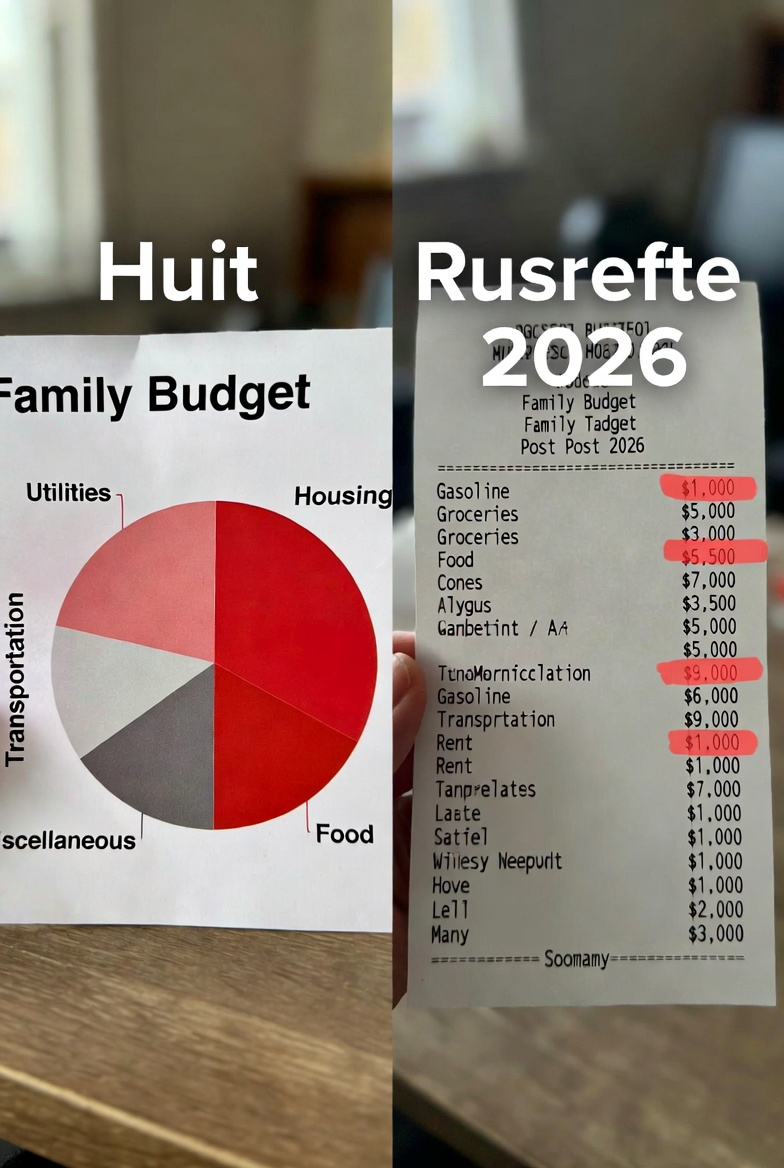
Image: Before-and-after graphic comparing a sample weekly grocery or gas budget pre- and post-inflation spike.
Sector-by-Sector Impact: Where Americans Are Hurting Most
1. Housing and Shelter: Shelter costs remain a sticky driver of core inflation. Rents and home prices continue climbing, with many markets seeing affordability challenges.
2. Transportation: Gasoline up sharply. Used vehicles and airfares also affected by fuel costs.
3. Groceries: Food-at-home prices rose notably. Fruits, vegetables, and meats show variability but overall upward trend.
4. Healthcare and Other Services: Moderate increases, but compounding with other costs.
Broader effects: Reduced consumer spending, potential slowdown in discretionary purchases, and strain on savings.
Economic Ripple Effects and Federal Reserve Response
The Fed has kept rates steady in recent meetings, balancing dual mandates of maximum employment and 2% inflation. The energy shock introduces uncertainty—policymakers are watching for pass-through to core measures and expectations.
Markets reacted to the data with volatility, as hotter inflation reduces odds of near-term rate cuts, affecting mortgages, loans, and investments.
Longer-term risks include persistent elevated inflation if supply disruptions continue or if second-round effects (wage-price spirals) emerge.
Historical Context: How Does This Compare to Past Inflation Episodes?
The 2022-2023 post-pandemic surge peaked much higher, but the current acceleration echoes oil-shock-driven inflation of the 1970s, albeit at lower overall levels. Lessons from those periods highlight the importance of anchored expectations and responsive policy.
What This Means for Different Demographics
- Families with children: Higher costs for food, childcare, and fuel strain budgets.
- Retirees on fixed incomes: Erosion of purchasing power without COLA adjustments fully compensating.
- Young professionals: Delayed milestones like homeownership.
- Business owners: Rising input costs squeezed margins.
Practical Strategies to Protect Your Finances in 2026
Budgeting and Cutting Costs:
- Track spending with apps.
- Shop sales, generics, and bulk for essentials.
- Reduce energy use at home.
Income Boosting:
- Negotiate raises or seek side gigs.
- Invest in skills for higher-paying roles.
Savings and Investments:
- High-yield savings or CDs for short-term cash.
- TIPS (Treasury Inflation-Protected Securities): Principal adjusts with CPI.
- Diversified stocks, especially in energy, commodities, healthcare, and consumer staples with pricing power.
- Real estate or REITs as a long-term hedge.
- Gold or commodities for portfolio diversification.
Debt Management: Prioritize paying high-interest debt; consider fixed-rate loans before potential rate changes.
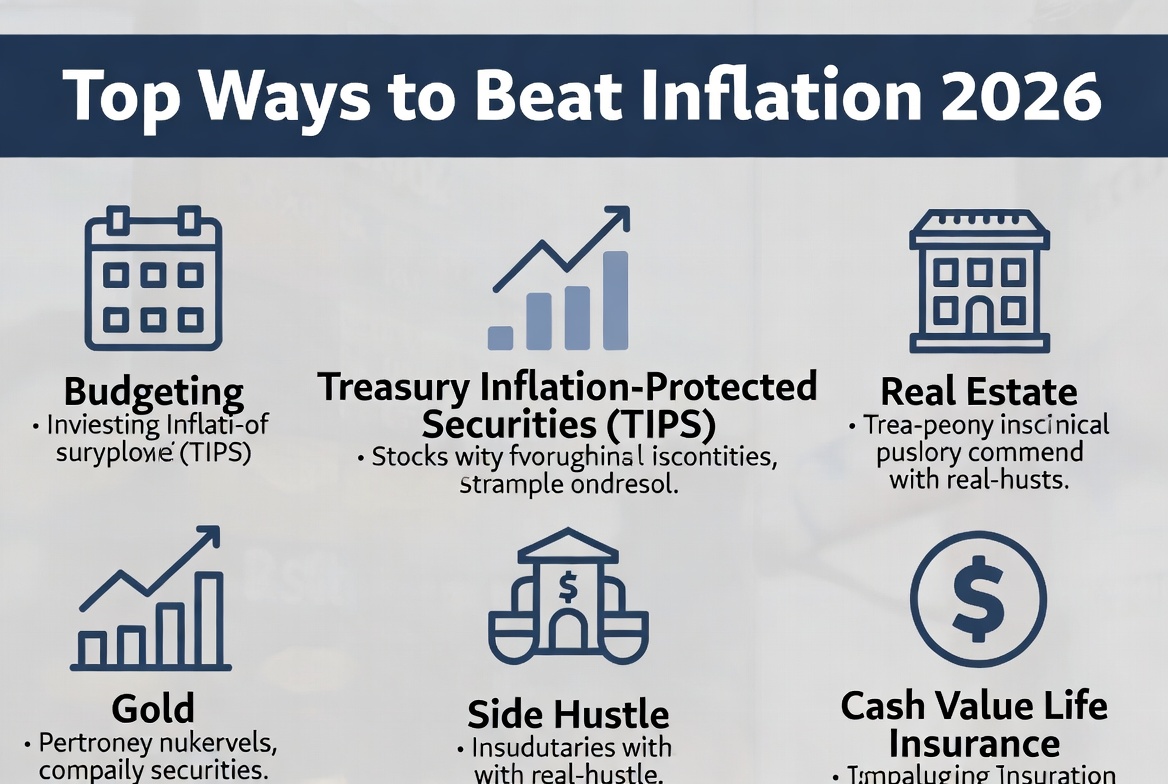
Image: Checklist or infographic of top 8 inflation-hedging strategies with icons.
Expert Insights and Forward Outlook
Economists project inflation may remain elevated through parts of 2026, with risks of peaking higher depending on geopolitics. However, if supply chains stabilize and the conflict de-escalates, pressures could ease later in the year.
Focus on controllable factors: building an emergency fund (3-6 months expenses in liquid, interest-bearing accounts), maintaining good credit, and reviewing insurance/benefits.
Long-Term Perspective: Building Resilience
Inflation is a recurring economic feature. Households that adapt through diversified income, smart investing, and disciplined budgeting fare better. View this as a prompt to strengthen financial literacy and habits.
The 3.8% April CPI print is a wake-up call. While national averages matter, your local costs and personal situation determine the real impact. Stay informed via BLS releases, review your budget monthly, and consult professionals for tailored advice.
Image: Motivational yet realistic photo of a family reviewing finances or diversified investment portfolio visualization.
Key Takeaways:
- Inflation at 3.8% YoY in April 2026, accelerating due to energy costs from Iran-related disruptions.
- Real purchasing power declining for many despite nominal wage gains.
- Act now: Budget, hedge investments, boost income.
- Monitor upcoming reports and Fed decisions.
This situation underscores the need for proactive personal finance management. By understanding the data and implementing strategies, you can mitigate the squeeze on your paycheck and build long-term security.


Comments