
The artificial intelligence explosion isn't just powering chatbots and image generators—it's seriously disrupting the global supply of memory chips, and everyday investors are jumping in headfirst.
Right now in early 2026, retail traders (think regular folks using apps like Robinhood or similar platforms) are pouring money into companies that produce memory and storage solutions. Names like Micron Technology, Western Digital, Seagate, and even the freshly independent SanDisk are seeing big inflows. For instance, SanDisk has had massive one-day retail buying spikes, while Western Digital is on track for its strongest monthly retail interest in ages. These stocks have posted impressive gains already this year, building on huge runs from 2025.
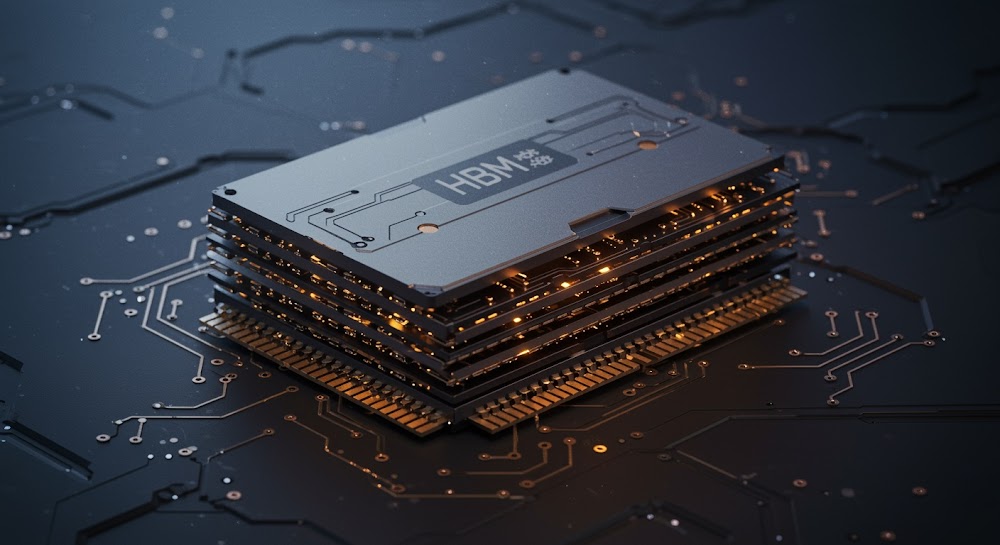
Why the sudden rush? The core issue is a sharp imbalance in supply and demand. AI data centers, especially those running massive models from companies like Nvidia, crave enormous amounts of ultra-fast, high-capacity memory—particularly something called high-bandwidth memory (HBM). This stuff is way more profitable for manufacturers than everyday DRAM or NAND flash used in phones, laptops, and regular PCs.
So major players—Samsung, SK Hynix, and Micron—are redirecting production lines toward HBM to cash in on the AI frenzy. SK Hynix has already sold out its entire 2026 supply of certain high-end memory, and Micron executives have said they're basically booked solid too. The result? Standard memory supplies are getting squeezed, leading to dramatic price jumps—some analysts expect average DRAM prices to climb 50% or more in the first quarter alone compared to late 2025.


This isn't a short-term blip. Industry insiders describe the shortage as "unprecedented," with some warnings that constraints could linger into 2027 or even 2028 as new factories ramp up slowly. Chipmakers are being careful not to overbuild like they have in past cycles, which often led to painful busts.


For retail investors, it feels like catching a powerful wave: as long as AI infrastructure keeps expanding aggressively, higher prices mean fatter margins and stronger earnings for these companies. Micron, for example, has seen its stock soar dramatically over the past year on exactly this thesis.


But markets love to remind us nothing lasts forever. Memory has always been cyclical—if AI hype cools, new capacity floods in unexpectedly, or demand shifts, prices could drop fast and take stocks with them. Still, with hyperscalers like Microsoft, Google, and Amazon racing to deploy more AI, the momentum feels strong for now.


The big takeaway? AI is reshaping more than just tech—it's influencing supply chains, corporate profits, gadget prices, and even where everyday traders put their money. Watching quarterly reports from the memory giants will give the clearest signals on how long this squeeze—and the opportunity—might stick around.


Comments