
the justices spent over three hours hearing arguments in two key cases—Little v. Hecox from Idaho and West Virginia v. B.P.J.. These challenges involve young transgender female athletes who were barred from competing on teams that match their gender identity, even though they've lived as girls and, in some cases, undergone hormone treatments to align their bodies.
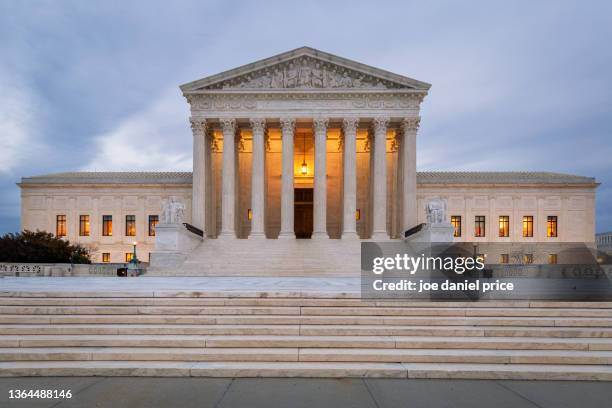
The cases center on whether these state bans violate Title IX—the 1972 federal law that guarantees equal opportunities in education, including sports, without sex-based discrimination—or the Constitution's Equal Protection Clause under the 14th Amendment.
In Idaho, the law (passed in 2020) blocked a transgender woman named Lindsay Hecox from trying out for Boise State University's women's track and cross-country teams. In West Virginia, a transgender girl known as B.P.J. (who started identifying as female early in elementary school) was kept off her middle school's girls' cross-country and track squads under a 2021 statute. Lower courts had paused enforcement of both laws, finding potential violations of federal protections.
States argue the rules are needed to keep competition fair and safe. They highlight average physical differences—like greater muscle mass, bone density, or speed—that often develop during male puberty, which could give advantages even after transition. By basing team eligibility on biological sex at birth, they say they protect spots, scholarships, and records for cisgender (non-transgender) girls and women.
During the lively session, several conservative justices seemed sympathetic to the states' side. They noted that Title IX has long allowed separate boys' and girls' teams to promote equity, and questioned whether changing that framework should come from Congress rather than the courts. Justice Brett Kavanaugh, who has experience coaching girls' basketball, captured the human side of the debate: he expressed discomfort at the thought of any eager kid being completely excluded from the sport they love, while acknowledging that team sports involve limited spots—meaning one person's inclusion can mean another's exclusion.
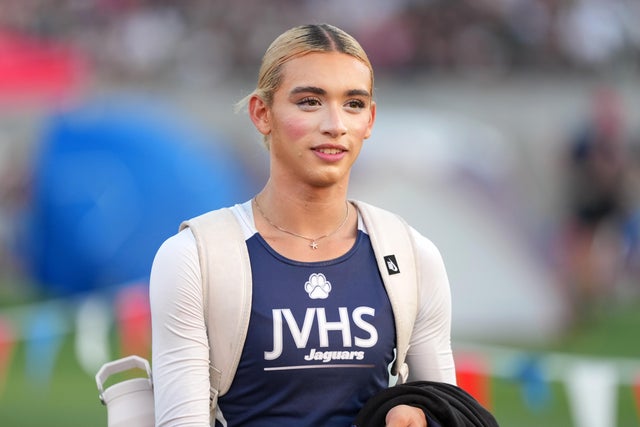
The challengers pushed back, emphasizing that their clients don't pose the fairness issues the laws target. With puberty blockers and hormone therapy, they argued, these athletes compete on a level playing field and deserve inclusion under existing anti-discrimination rules. Advocates also stressed the broader harm: forcing transgender youth onto boys' teams or out of sports altogether can lead to isolation, mental health struggles, and lost chances to build teamwork and confidence through athletics.
More than half of U.S. states now have similar restrictions, so the Court's eventual decision—expected by summer 2026—could set a nationwide standard. It might reinforce state authority to define sports categories by biology, or it could strengthen federal protections for transgender students in education.
This isn't just courtroom debate—it's about real teenagers dreaming of racing down the track, scoring goals, or simply belonging on their school team. Families, coaches, and communities on all sides are watching closely, hoping for a ruling that balances inclusion, fairness, and the spirit of youth sports. Whatever comes next, it will shape locker rooms, playing fields, and policy discussions for a long time.


Comments