
Strategic maritime chokepoints dictate the pulse of global energy security.
/https%3A%2F%2Fengelsbergideas.com%2Fwp-content%2Fuploads%2F2026%2F03%2FStrait-of-Hormuz-satellite-image.jpg)
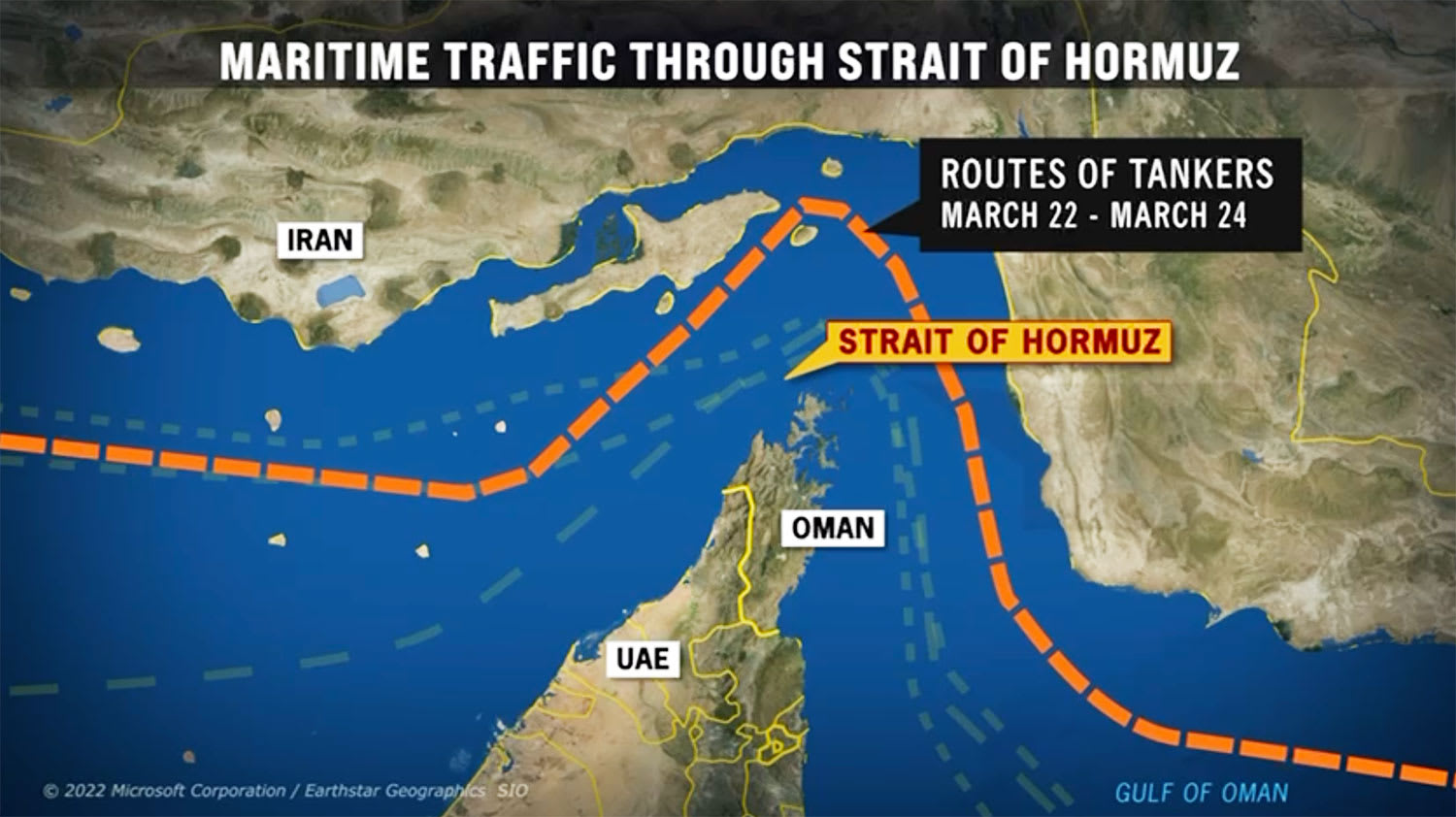
The Strait of Hormuz remains the world’s most critical maritime artery, funneling approximately 21 million barrels of oil per day—roughly 25% of the global seaborne trade. As of April 2026, this narrow passage between Oman and Iran has become a focal point of intense geopolitical friction, leading to a dramatic 89% decrease in daily vessel transits. For energy markets, the "Hormuz Dilemma" is a matter of geographic reality: the waterway is only 21 nautical miles wide at its narrowest point, with shipping lanes just 2 miles wide. Unlike other routes, there are no immediate, high-capacity maritime alternatives, making any disruption a direct catalyst for global supply chain shocks.
Crude oil price surges reflect the fragility of energy logistics.

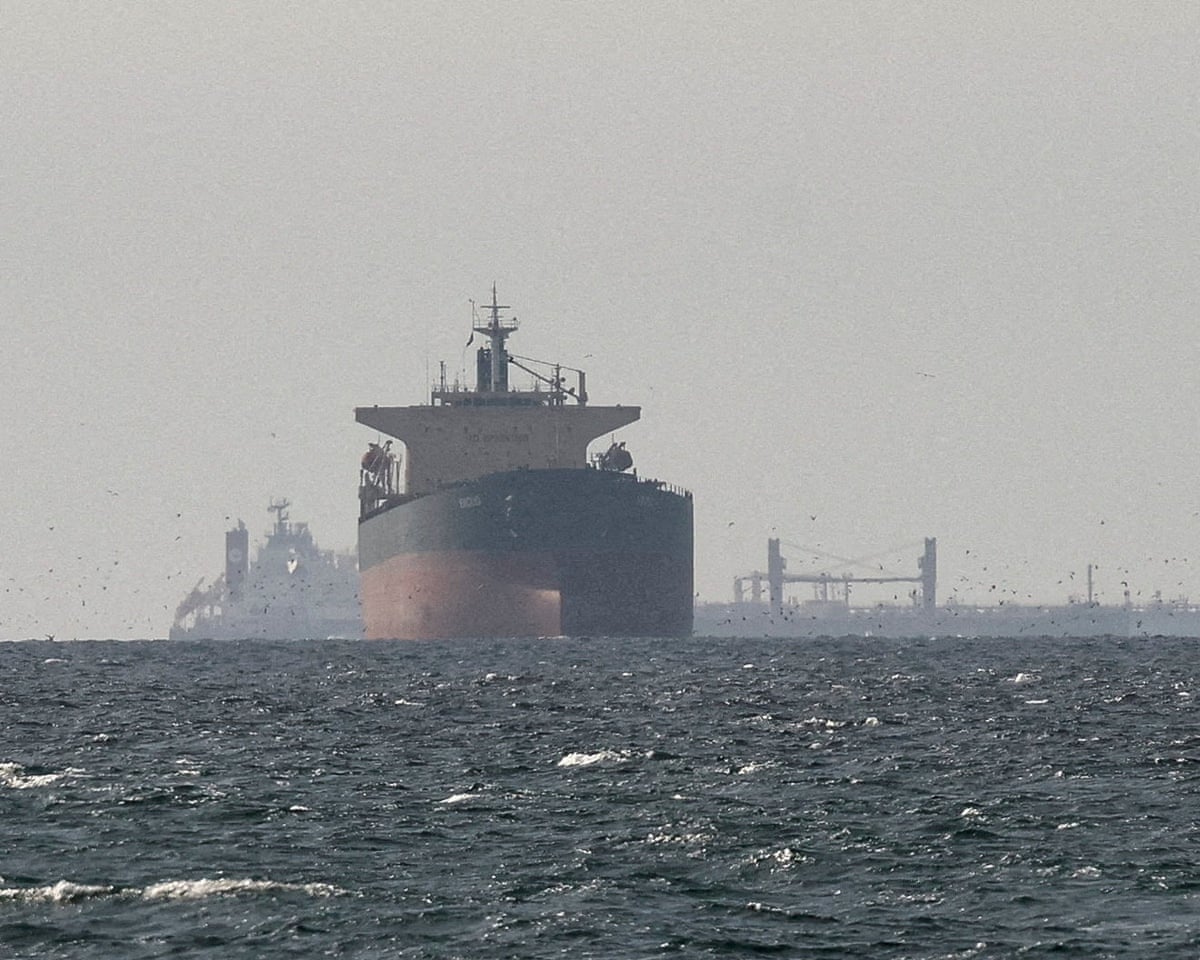
When maritime traffic in the Strait is throttled, the immediate result is extreme market volatility. In early 2026, following heightened regional tensions, Brent crude prices spiked past $125 per barrel, the highest level in four years. This volatility isn't just about the physical absence of oil; it is driven by the "fear premium" associated with insurance and logistics. War-risk insurance premiums for tankers in the Persian Gulf have skyrocketed, often increasing the landed cost of petroleum by 30% to 50%. These costs cascade through the global economy, driving up fuel prices for consumers and increasing manufacturing expenses for energy-intensive industries like chemicals and plastics.
Alternative pipeline routes offer limited relief for global oil exports.
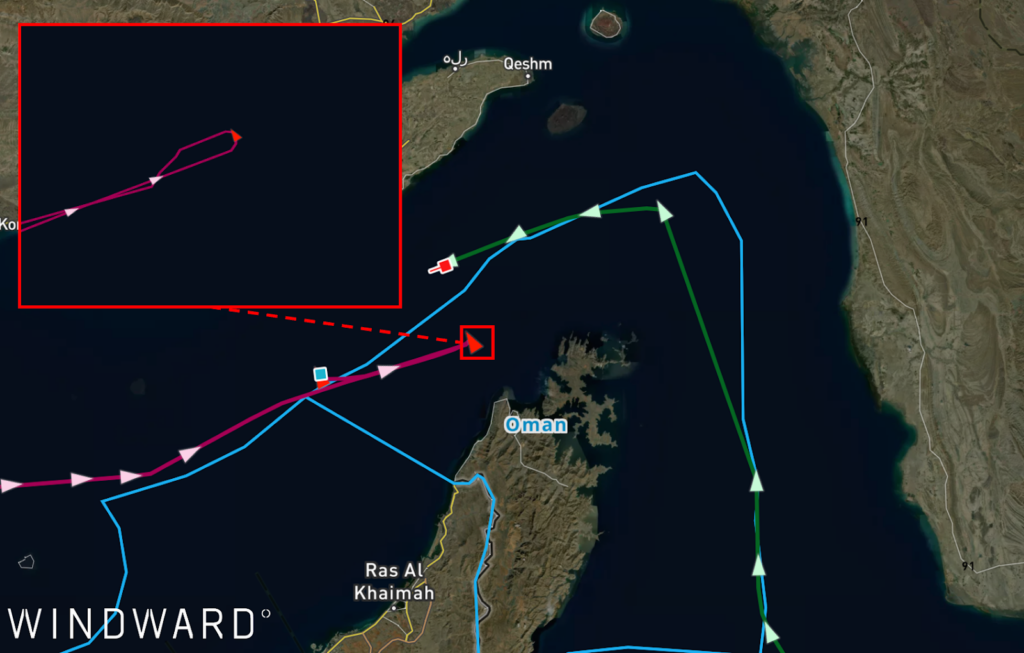
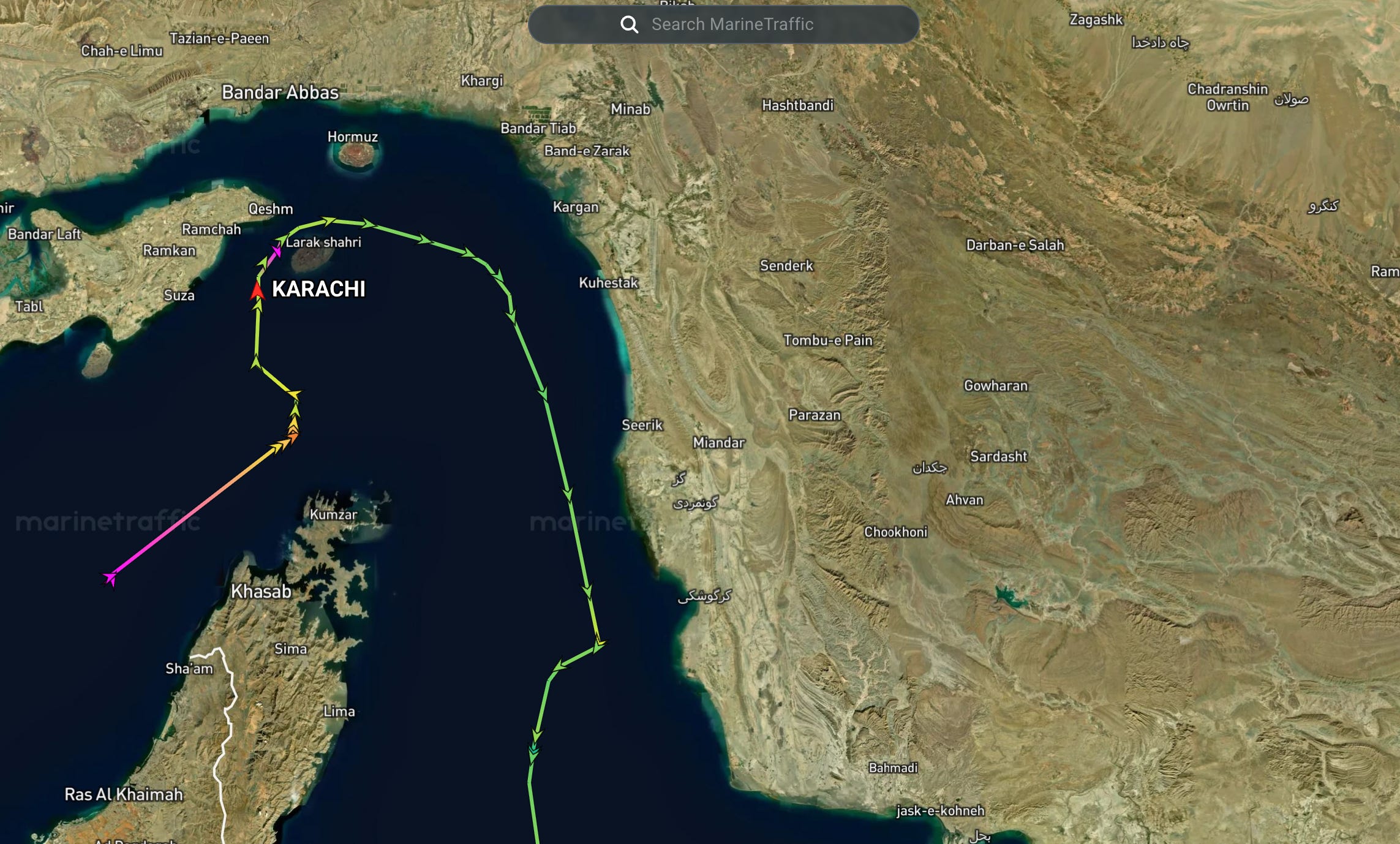
While major producers like Saudi Arabia and the UAE have invested in bypass infrastructure, these solutions cannot fully compensate for a closed Strait. The Saudi East-West Pipeline and the Habshan-Fujairah pipeline in the UAE combined can only divert about 6.5 million barrels per day—less than a third of the typical volume that transits through the water. For most exporters in Kuwait, Iraq, and Qatar, there is simply no "Plan B" for maritime transport. This lack of redundancy means that prolonged bottlenecks in the Strait don't just delay shipments; they effectively strand millions of barrels of oil, forcing global refineries to draw down strategic reserves.
Maritime security protocols evolve to protect the global supply chain.


To combat the risk of "shadow fleet" interference and maritime attacks, international naval forces have intensified freedom of navigation operations. In April 2026, the implementation of a shaky ceasefire led to the first successful transits of major tankers in weeks, albeit under strict Traffic Separation Schemes (TSS). These protocols are essential for preventing collisions and managing the 1,000-ship backlog currently waiting in the Gulf of Oman and the Persian Gulf. However, the reliance on naval escorts and political negotiations highlights a shift from open commercial transit to a controlled, high-security logistics model that reshapes how petroleum is traded globally.
The collapse of diplomatic negotiations between Washington and Tehran has triggered a seismic shift across global financial exchanges.
:max_bytes(150000):strip_icc()/IXIC_2025-04-04_19-27-06-ae7324407804472db771fd3e5f9bb223.png)

Global financial markets face severe pressure as geopolitical tensions escalate rapidly. The Dow Jones Industrial Average plummeted over 800 points in pre-market trading as investors processed the news that peace talks have officially stalled. With the S&P 500 and Nasdaq futures tracking significantly lower, the market is bracing for a period of extreme volatility. Institutional investors are rapidly rotating out of growth-oriented tech stocks and into defensive sectors, reflecting a broader "risk-off" sentiment. This downward trajectory underscores the sensitivity of the US stock exchange to international relations, where a lack of diplomatic progress often translates into immediate liquidations and a flight to liquidity in the bond market.
The strategic blockade of the world’s most vital oil artery creates unprecedented energy market ripples.


Critical maritime trade routes remain closed following the failed agreement. The United States has established a maritime blockade around the Strait of Hormuz, a move designed to exert maximum pressure but one that has effectively paralyzed the global oil supply chain. Approximately 20% of the world's petroleum consumption passes through this chokepoint, and its closure has sent crude oil futures skyrocketing toward record highs. This geopolitical maneuver has not only impacted energy prices but has also disrupted international trade logistics, as tanker fleets are forced to anchor in the Gulf of Oman. Analysts warn that a prolonged blockade could lead to a global energy crisis, further destabilizing an already fragile post-inflationary economy.
Heightened uncertainty in the Middle East drives the VIX to its highest levels in years.
|
| Bitcoin price analysis: BTC could be bottoming, based on the stock market's VIX |
Tech stocks lead the market decline as uncertainty grips investors. The Nasdaq 100 has entered correction territory as supply chain fears regarding semiconductor manufacturing and international shipping intensify. Companies with heavy exposure to global trade are seeing their valuations slashed as the market prices in the high cost of a potential military escalation. The CBOE Volatility Index (VIX) has spiked by nearly 40%, signaling that "fear" is currently the primary driver of price action. As the standoff continues, the correlation between geopolitical risk and equity performance has reached a five-year peak, leaving retail and institutional traders alike searching for a stable bottom in a sea of red.
Market observers remain focused on the potential for a breakthrough despite the current diplomatic impasse.
|
| Markets News, April 4, 2025: Dow Drops 2,200 Points, S&P Plunges 6%, Nasdaq Enters Bear Market as Tariff Turmoil Rocks Stock Market |
Analysts predict prolonged volatility until a diplomatic resolution is reached. While the immediate reaction has been a sharp sell-off, some contrarian investors are looking for entry points in energy and defense stocks. However, the prevailing consensus among top-tier financial strategists is one of extreme caution; without a clear path toward de-escalation, the "Hormuz Premium" will continue to weigh heavily on corporate earnings and consumer spending. The focus now shifts to the Federal Reserve's upcoming comments, as the central bank must balance the risk of an energy-driven inflationary spike against the cooling effect of a market crash. The resilience of the global economy is being tested by this high-stakes maritime standoff.
How will your investment strategy adapt to the reality of a restricted Strait of Hormuz and its impact on the S&P 500?


Comments