

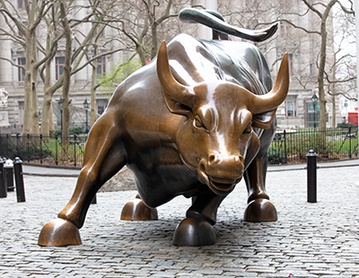
The iconic Charging Bull in Lower Manhattan – a symbol of Wall Street's relentless optimism, even in tough times.
As the ball dropped in Times Square last night, Wall Street was already popping champagne. The S&P 500 finished 2025 up more than 16%, capping off three straight years of solid gains in a classic bull market run. If you've been invested, congratulations – your portfolio likely had a very merry Christmas. But step away from the trading floors, and the mood feels different. For millions of Americans, 2025 was a year of tight budgets, rising worries about jobs, and that nagging sense that the good times on Wall Street aren't trickling down.
I've been covering markets for over 15 years, and this disconnect – the "grinning amid the gloom" that Bloomberg nailed in their year-end briefing – hits harder than most. Let's break it down honestly: what drove the rally, why AI was the star of the show, and what it all might mean as we head into 2026.
The Numbers Don't Lie: A Strong Year on Paper
Charts showing the S&P 500's steady climb through 2025, alongside major banks' forecasts.
The big indices closed strong: S&P 500 +16%, Nasdaq pushing toward 20% gains, driven heavily by tech. Data storage companies – think the unsung heroes powering all that cloud computing – landed in the top performers list. Hundreds of billions poured into AI infrastructure, and investors rewarded it handsomely.
It wasn't just the usual suspects like Nvidia or the Magnificent Seven carrying the load anymore. The rally broadened out, which is a healthier sign than the narrow surges we've seen in past bubbles. Still, bubbles were on everyone's mind – remember all those warnings about AI being the next dot-com? So far, it hasn't popped.
The energy on the NYSE trading floor captures the excitement of a winning year.
AI: The Engine That Kept Roaring
Walk into any finance conference in 2025, and AI was the word on everyone's lips. Massive investments in data centers turned what started as hype into real infrastructure build-out.
Rows of servers humming in state-of-the-art AI data centers – the backbone of 2025's biggest gains.
This wasn't just speculation; companies are actually deploying AI at scale. That said, valuations got stretched, and plenty of smart people spent the year debating whether we're in a bubble. My take? It's got elements of both boom and bubble, but the demand feels more genuine than past frenzies.
But Out on Main Street? It's a Different Story
Here's where the grin starts to fade. While stocks soared, consumer confidence dipped for months on end. Groceries, rent, healthcare – costs stayed high for many, even as inflation cooled a bit.
For many families, 2025 meant tough choices and mounting financial stress.
Unemployment ticked up slightly, mortgage rates flirted with levels that sidelined buyers, and surveys showed more people expecting their finances to worsen. The wealth effect from stocks helps those who own them, but that's not most households. This gap between Wall Street and everyone else? It's real, and it's growing.
A Quick Look Around the World
Not everywhere shared America's gains. Some markets lagged, others surprised with huge runs – think certain emerging indices posting eye-popping numbers amid local booms.
Global market performance map highlighting winners and laggards in 2025.
Geopolitics, trade tensions, and varying central bank moves all played their part.
What About 2026?
No one has a crystal ball, but volatility feels baked in. Policy changes, rate decisions, and whether AI spending keeps flowing will set the tone. Some portfolios crushed the benchmarks by leaning into the right themes – diversification and staying informed paid off big.
Investors monitoring strong portfolio gains – a rewarding sight after a bullish year.
My advice, as always: Don't chase highs blindly. Keep a balanced portfolio, watch the fundamentals, and remember markets climb walls of worry.
2025 reminded us that stocks can rally even when the economy feels shaky for many. Whether that continues depends on a lot – but one thing's clear: the contrasts we saw this year aren't going away anytime soon.
Comments
Post a Comment