
Florida's Brightline rail service has brought fast, modern travel to the state, connecting Miami to Orlando with sleek trains reaching speeds over 80 mph in many stretches. But this progress has come with a heartbreaking cost: a persistently high number of fatalities at crossings and along the tracks.
Since launching passenger operations in late 2017, Brightline trains have been involved in nearly 200 fatal incidents, according to in-depth investigations by the Miami Herald and WLRN public radio. Their 2025 "Killer Train" series, drawing from federal records, autopsy reports, and local police files, documented 196 deaths through late 2025, with the count climbing higher in recent months. This makes Brightline the deadliest major passenger railroad in the U.S. on a per-mile basis, far outpacing systems like Amtrak, Tri-Rail, or SunRail.
Many incidents involve pedestrians trespassing on tracks or drivers ignoring signals and attempting to cross ahead of oncoming trains. A notable portion are ruled suicides, highlighting broader mental health challenges in communities along the route. Train crews have described the profound emotional impact of these repeated tragedies.
In response to these alarming statistics—and building on new state rail design standards effective January 2026—Republican State Senator Ana Maria Rodriguez from Miami has introduced Senate Bill 1310 to mandate smarter, tech-based safeguards at vulnerable railroad crossings.

Sen. Ana Maria Rodriguez, the Miami-area lawmaker spearheading rail safety legislation in Florida.
Why This Bill Matters Now
Florida's rail network, shared by passenger, commuter, and freight services, sees dozens of fatal strikes annually. Federal data for the most recent full year showed 99 train-related deaths statewide across operators. Brightline's high-speed sections north of West Palm Beach amplify risks at grade-level crossings, where backups, stalled vehicles, or bypassed gates have contributed to collisions.
Rodriguez's proposal targets these exact pain points. SB 1310 would require vehicle presence detection systems—advanced sensors that identify obstructions like people, cars, or debris on tracks and alert train operators instantly. In advanced configurations, the tech could trigger automatic braking, raise gates to free trapped vehicles, or integrate with centralized rail controls.
The mandate would apply to crossings that are new, upgraded, or substantially modified beginning January 1, 2027. Local governments or roadway agencies would handle installation and upkeep, with potential support from state grants, federal funds, or partnerships with rail operators.
Rodriguez has emphasized prevention over reaction. In statements to reporters, she described the bill as a way to "stop tragedies before they happen" and ensure safety measures evolve with expanding rail traffic. She directly credited the Herald/WLRN series for raising public awareness and informing the legislation, alongside feedback from residents, emergency responders, and community leaders in affected areas.
Building on Existing Efforts
Florida isn't starting from scratch. Recent federal grants have supported fencing, signage, and other upgrades in high-risk zones, with construction phases planned into 2026. The state's updated rail design manual now makes certain safety features mandatory for future projects, including better lighting, barriers, and channelization.
However, these changes largely apply forward-looking and won't immediately retrofit older, high-traffic corridors where most incidents occur. Experts from the Federal Railroad Administration have long recommended detection tech for high-speed operations—Brightline even tested similar systems early but discontinued them due to reliability issues like weather-related false alarms.
A companion House bill (filed by Rep. Kaylee Tuck) explores additional angles, such as private-sector incentives and tax breaks to accelerate adoption.

A Brightline high-speed train in operation along Florida's busy corridors, illustrating the modern rail service at the center of safety discussions.

Brightline trains navigating urban and suburban Florida landscapes, where grade crossings remain a key safety concern.
Looking Ahead: Balancing Growth and Safety
As Brightline continues expanding and drawing millions of riders annually, the pressure mounts to protect communities near the tracks. Rodriguez's bill represents a focused, technology-driven step toward reducing preventable deaths without halting rail progress.
Whether SB 1310 advances through the legislative session will hinge on debates over costs, implementation timelines, and shared responsibilities among state, local, and private entities. For families who have lost loved ones and for first responders who handle the aftermath, stronger proactive measures feel long overdue.
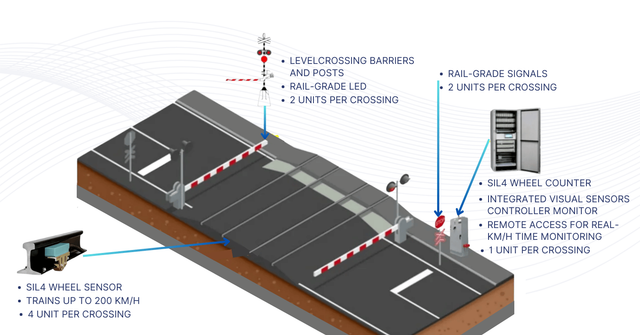
Example of railroad crossing detection technology, featuring sensors and monitoring systems designed to spot obstructions and enhance warnings.
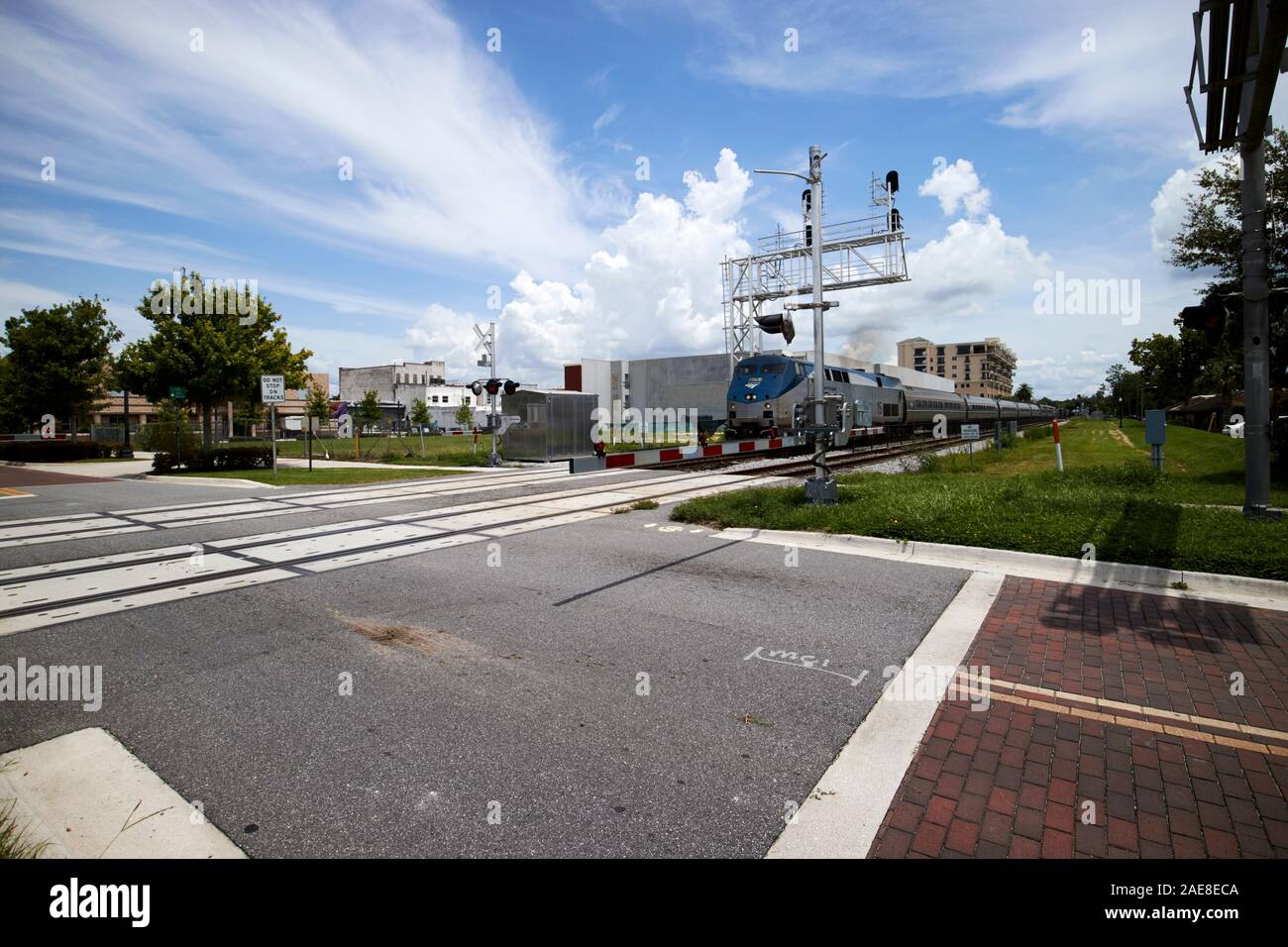
A train approaching a typical Florida-grade crossing with barriers and signals, highlighting the infrastructure targeted for upgrades under proposed safety rules.
This legislative push underscores a broader truth: high-speed rail can thrive in Florida, but only if safety innovations keep pace with speed and frequency.


Comments