
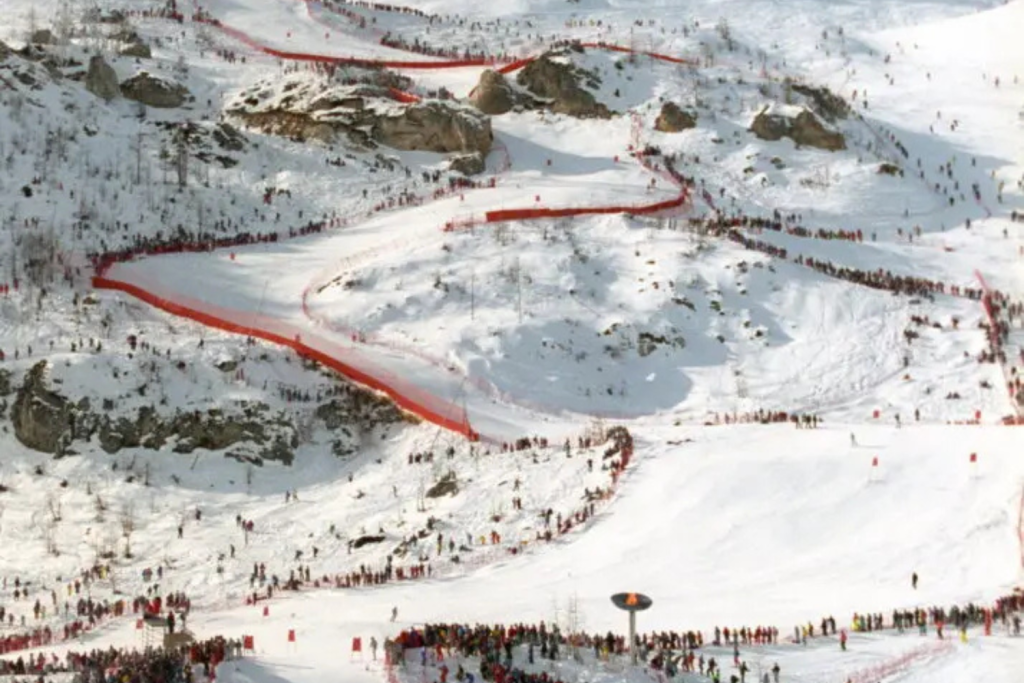
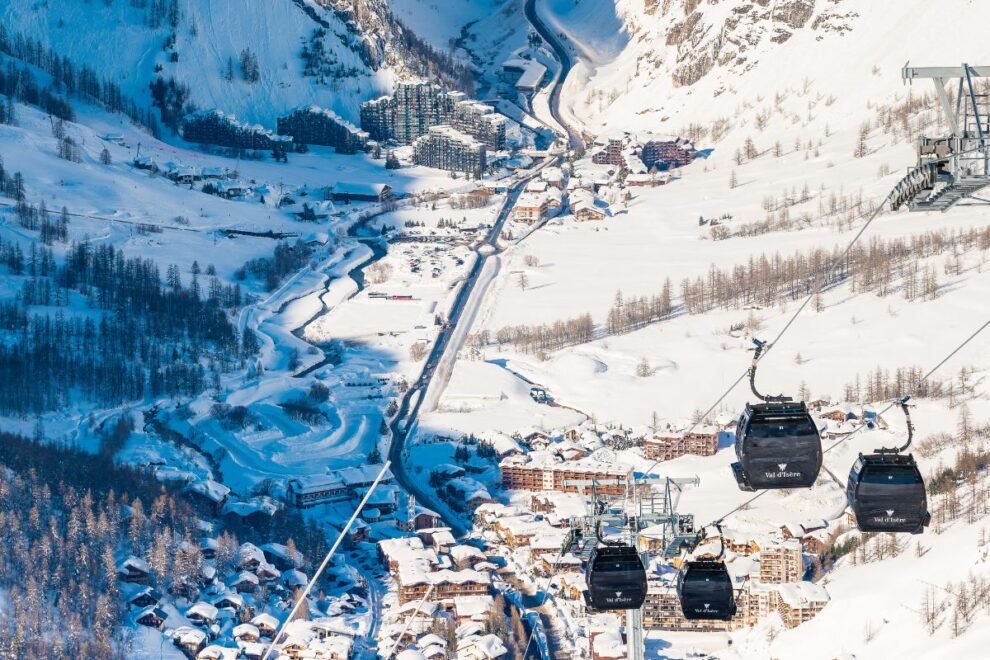
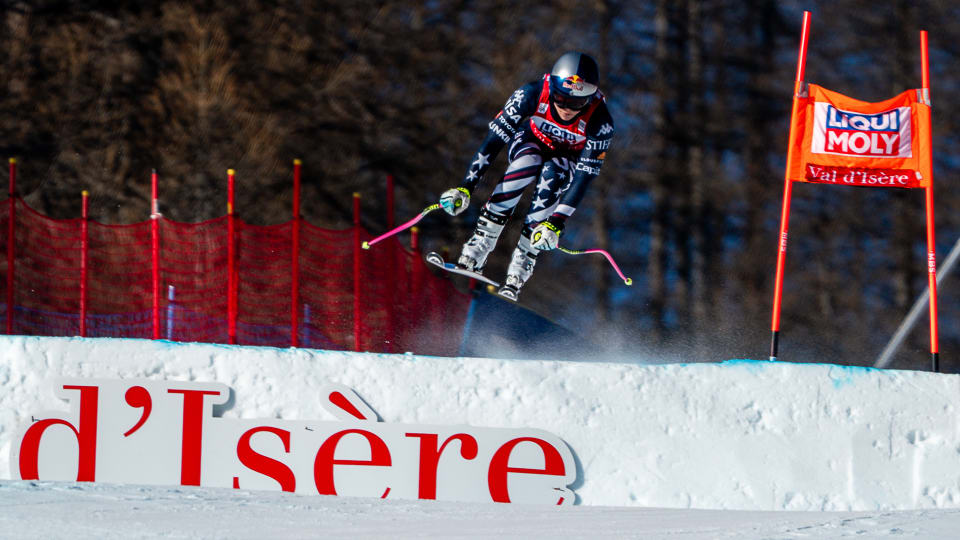
The legendary Oreiller-Killy (OK) piste in Val d’Isère, France, lived up to its unforgiving reputation today during the women's downhill event of the FIS Alpine Ski World Cup 2025/26 season. Known for its steep drops, massive jumps, and technical demands that punish even the slightest hesitation, the OK course delivered drama and surprises in this Olympic-year speed race.
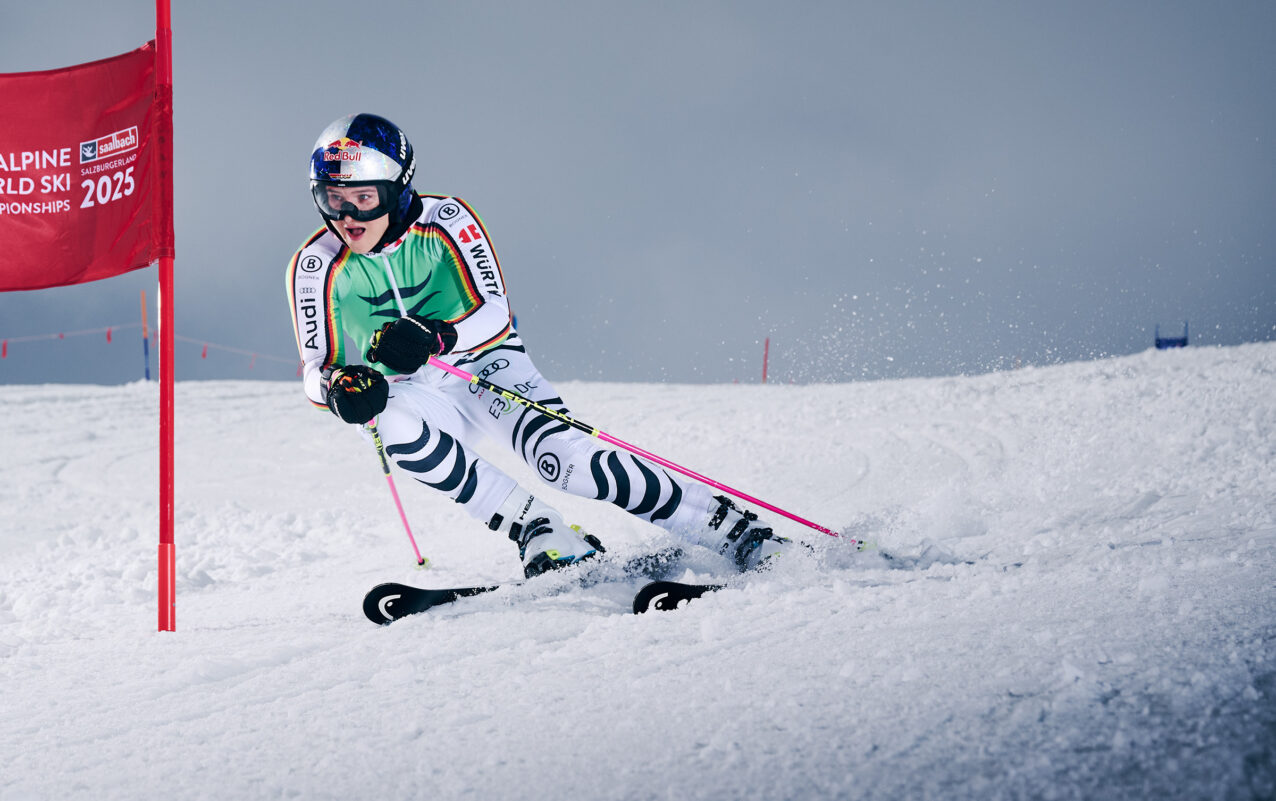
While the stacked field produced thrilling runs from top contenders, Germany's Emma Aicher – fresh off a breakout victory in St. Moritz – endured a difficult day, finishing 50th with a time of 1:46.88, +5.41 seconds behind the leader.
Event Background
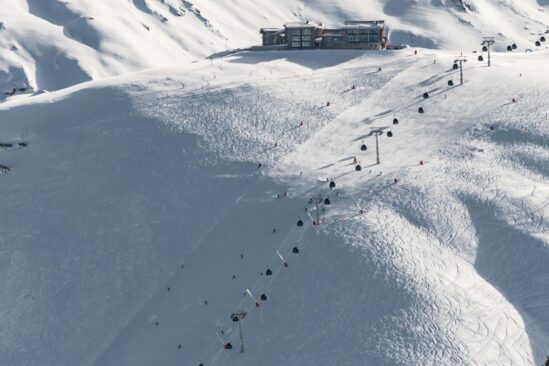
The 2025/26 World Cup season carries heightened stakes as athletes build toward the Milano-Cortina 2026 Winter Olympics. Val d’Isère's Oreiller-Killy piste, named after French Olympic icons Henri Oreiller and Jean-Claude Killy, is one of alpine skiing's most iconic speed venues. Its relentless terrain – featuring high-speed glides, compressions, and big airs – requires absolute precision and commitment. The women's downhill, the third of the season, marked the return to this classic track after a one-year hiatus, starting at 10:30 CET under clear skies.

Athletes & Build-Up
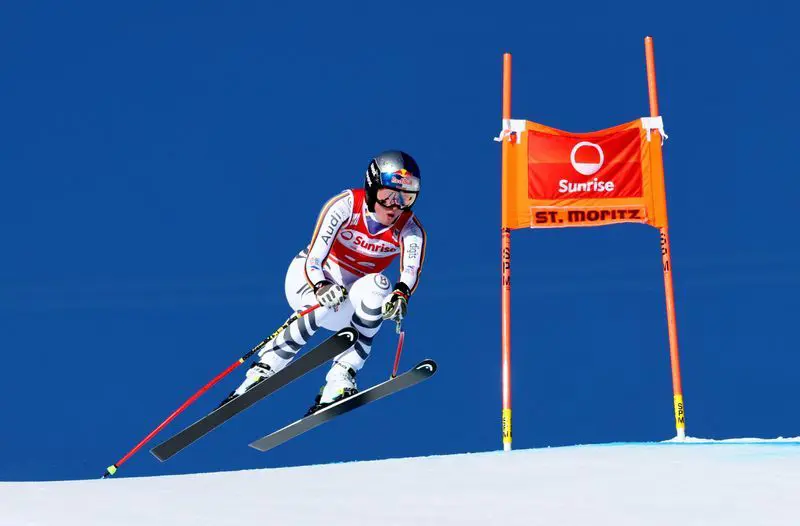
Emma Aicher (bib 13) arrived as a podium favorite after a sensational start to the season. The 22-year-old German skier stunned the field in St. Moritz the previous weekend, winning the second downhill by 0.24 seconds over Lindsey Vonn after placing fifth in the first. That victory – her third career World Cup win and second in downhill – vaulted her to second in the discipline standings with 145 points.
The elite field included downhill leader Lindsey Vonn (USA, bib 8, 180 points), Sofia Goggia (Italy, bib 14), Breezy Johnson (USA), and others like Kira Weidle-Winkelmann (Germany, bib 1), who impressed in training.


Race Conditions & Start
Clear weather and good snow greeted the athletes, but the OK piste's demanding layout amplified the pressure. Live coverage highlighted the high anticipation for this star-studded event, with early runners like Weidle-Winkelmann setting strong benchmarks.
Aicher's Performance & Problems
Aicher's run unraveled on the challenging terrain. Lacking her trademark fluidity from St. Moritz, she lost significant time through apparent line errors, hesitations in technical sections, and the jumps. Her +5.41 deficit underscored how the piste exposes any off-form moments. Commentators aptly summarized it with the German phrase "heute passt’s nicht" – today it's just not clicking.
This contrasted sharply with her season form, where her all-around talent and aggressive style had positioned her as a rising force in speed events.
Outcome & Top Performers
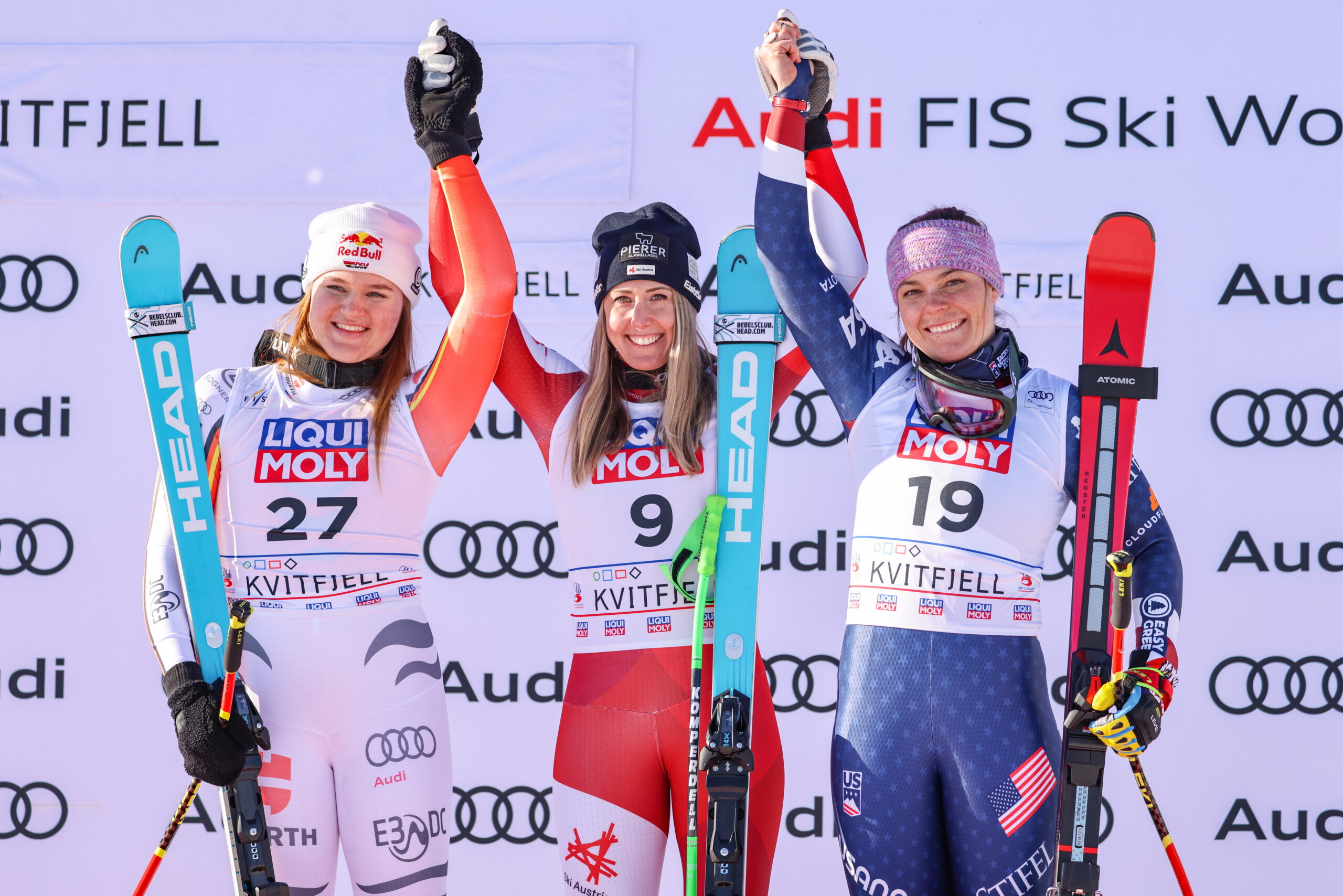
The race rewarded flawless execution, with top contenders delivering strong performances. (Detailed podium results from official FIS sources confirm a competitive finish among the favorites, highlighting the piste's role in separating elite precision.)


Quotes & Reactions
Aicher acknowledged the disappointment post-race but emphasized learning from it. Experts noted that on Oreiller-Killy, "little mistakes are expensive," demanding perfect precision. Fans and coaches praised her season resilience, viewing this as a temporary setback.
Season Implications
The result may impact Aicher's downhill ranking and momentum heading into the Olympics, exposing areas for refinement on ultra-technical speed tracks. Yet her youth, versatility, and rapid improvement remain key strengths.
Personal Insight / Analysis
This was likely just an off day on one of the circuit's toughest courses. With her recent triumph over Vonn and consistent progress at age 22, Aicher holds strong podium potential this season. Performances like this are part of the development curve for emerging elite downhillers – Oreiller-Killy tests limits and accelerates growth. A quick rebound would reinforce her status as a future star in women's alpine skiing.


Comments