
In the rapidly evolving landscape of obesity treatment, Novo Nordisk has escalated its fight against competitors offering compounded versions of its blockbuster drug Wegovy (semaglutide). This shift from trademark disputes to patent infringement lawsuits marks a pivotal moment in the pharmaceutical industry, where innovation collides with cost-cutting telehealth models. As regulatory bodies like the FDA tighten their grip and market dynamics shift, the implications for investors, consumers, and the broader healthcare ecosystem are profound. Drawing on expert analysis from biotech analysts and regulatory updates, this article explores the key developments, market reactions, and future outlook, emphasizing the balance between patent protection and accessible healthcare.

Novo Nordisk Patent Suit
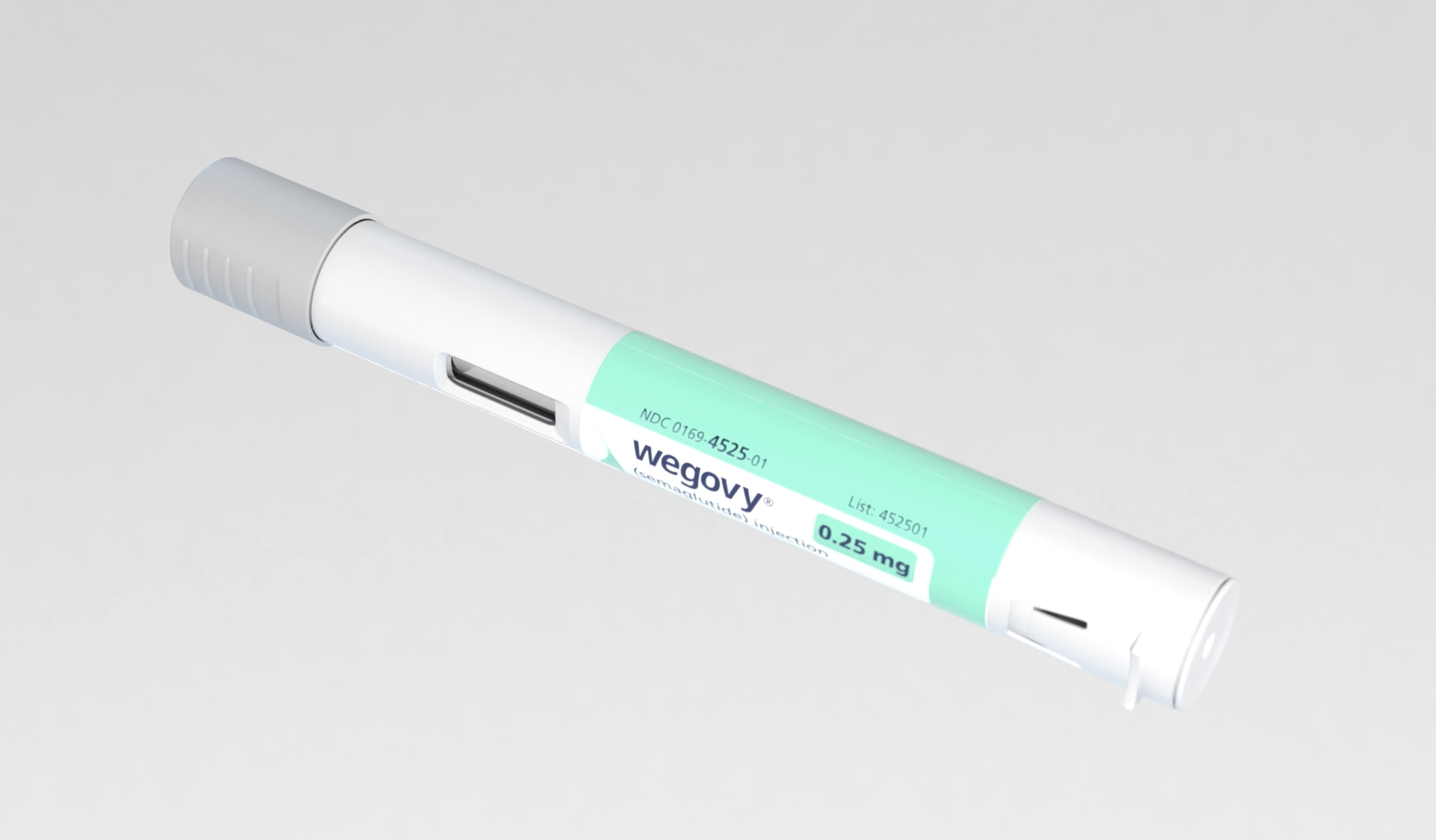
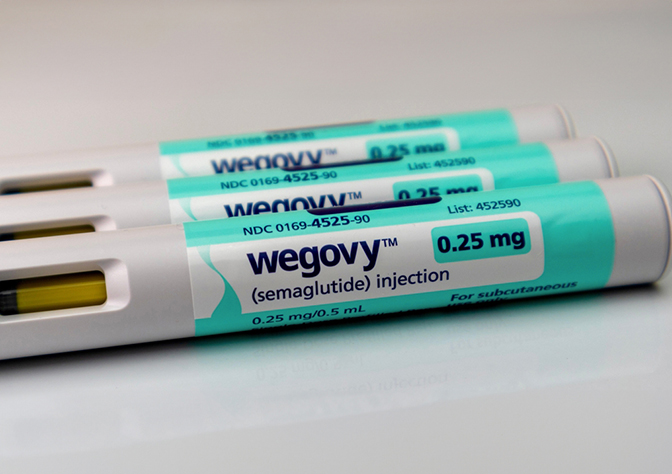
Novo Nordisk has opened a new front in its intellectual property war by filing a patent infringement lawsuit against Hims & Hers, a telehealth company known for its affordable compounded semaglutide offerings. The suit targets Hims & Hers' $49 pill, which mimics Wegovy's mechanism but is produced through compounding pharmacies, bypassing traditional FDA approval. This move underscores Novo's strategy to protect its GLP-1 receptor agonist franchise, which includes Wegovy and Ozempic, generating billions in revenue. Legal experts note that patent suits like this are becoming commonplace as Big Pharma defends against generics and compounded alternatives, potentially setting precedents for future cases. Novo's action aligns with broader industry trends, where companies like Eli Lilly are also pursuing similar litigation to safeguard their Mounjaro and Zepbound products.
Hims & Hers Stock Plummets
The immediate fallout from Novo's lawsuit was a 20% drop in Hims & Hers' stock price, wiping out significant market value for the telehealth disruptor. This plunge reflects investor concerns over the viability of Hims & Hers' business model, which relies heavily on low-cost compounded drugs. Analysts from firms like Morgan Stanley highlight that the $49 pill was a cornerstone of Hims & Hers' growth strategy, promising accessibility for weight loss treatments. However, with patent challenges mounting, the company's revenue projections have been revised downward, exacerbating the sell-off. This incident illustrates the volatility in the obesity drug sector, where regulatory and legal risks can swiftly erode shareholder confidence.

GLP-1 Knock-offs Ban
Novo Nordisk is pushing for a permanent ban on all GLP-1 knock-offs, framing compounded versions as threats to patient safety and innovation. The company's legal team argues that these alternatives, often produced by compounding pharmacies, lack the rigorous testing of FDA-approved drugs like Wegovy. This broader offensive targets the entire compounding industry, which has flourished amid shortages and high drug prices. Industry observers, including those from the American Pharmacists Association, point out that while compounding serves a niche for personalized medicine, Novo's stance could reshape how these pharmacies operate, potentially limiting access for patients who can't afford branded options. The push for a ban highlights the tension between pharmaceutical monopolies and the need for affordable healthcare solutions.

NVO Stock Surge
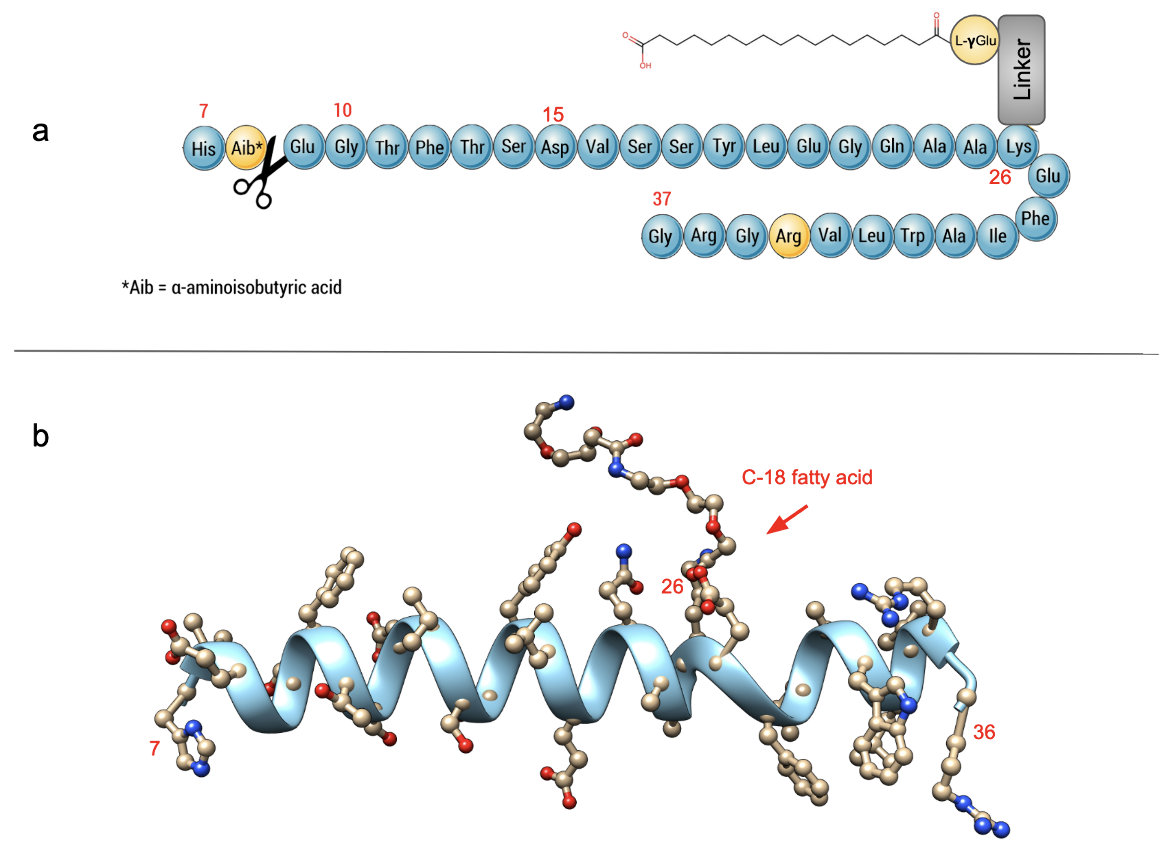
In a counterpoint to Hims & Hers' woes, Novo Nordisk's stock (NVO) surged 8% following the withdrawal of a rival's scrapped weight-loss pill amid scrutiny. This positive reaction underscores investor optimism for Novo's dominance in the GLP-1 space, as competitors face hurdles. The rival's exit, driven by regulatory pressures and safety concerns, cleared the path for Novo, reinforcing its market leadership. Biotech analysts from Goldman Sachs attribute the surge to Novo's robust pipeline and strategic patent enforcement, which are expected to sustain long-term growth. This development signals a bullish outlook for NVO, even as broader market headwinds persist.
![Anti-Obesity Drugs Market Size, Share, Growth Report [2035]](https://www.rootsanalysis.com/img005/anti-obesity-drugs-market-development-agreements.webp)

Obesity Market Forecast
The obesity treatment market, once projected at $150 billion by 2026, is undergoing a reassessment amid dropping GLP-1 prices and intensifying legal battles. Pricing wars, fueled by compounded alternatives and government interventions, have eroded profit margins for branded drugs. Experts from McKinsey & Company note that while demand for weight loss solutions remains high, the influx of affordable knock-offs and regulatory crackdowns is tempering forecasts. This slump reflects a maturing market where innovation must compete with cost pressures, potentially leading to more consolidated players like Novo and Lilly emerging stronger.
![Anti-Obesity Drugs Market Size, Share, Growth Report [2035]](https://www.rootsanalysis.com/img005/anti-obesity-drugs-market-list.webp)
TrumpRx Deals
Lilly and Novo are leveraging "TrumpRx" deals—government-negotiated pricing agreements under former President Trump's proposed reforms—to squeeze off-brand rivals. These deals, aimed at reducing drug costs for Medicare beneficiaries, provide Novo and Lilly with a competitive edge by stabilizing revenues while competitors struggle. Legal experts emphasize that this combination of pricing concessions and aggressive patent protection creates a formidable barrier for compounded drugs. The strategy not only bolsters Novo's position but also aligns with broader healthcare policy shifts, where affordability intersects with intellectual property rights.
FDA Swift Action
The FDA's "swift action" warning against mass-marketed compounded drugs has been a catalyst for the current turmoil, triggered by Commissioner Martin Makary's vocal stance on safety. Makary's advocacy for stricter oversight of compounding pharmacies has amplified regulatory scrutiny, leading to seizures and warnings. This crackdown is part of the FDA's broader effort to address the risks of unapproved compounded semaglutide, which lacks the same quality controls as FDA-approved products. Public health experts applaud the move as a safeguard for patients, but critics argue it could limit access for underserved populations, highlighting the delicate balance between regulation and innovation.
GLP-1 Impurities
Novo's claims of 86% impurity in seized GLP-1 knock-offs have fueled safety scares, positioning compounded drugs as potentially hazardous. The company's legal filings detail how these impurities could lead to inconsistent dosing and adverse effects, undermining patient trust. Toxicology reports cited by Novo suggest that without rigorous manufacturing standards, compounded versions pose real risks. This narrative has swayed public opinion and regulatory bodies, with the FDA using such data to justify bans. However, compounding advocates counter that impurities are overstated, pointing to the industry's role in filling gaps during shortages.

Semaglutide Shortage Over
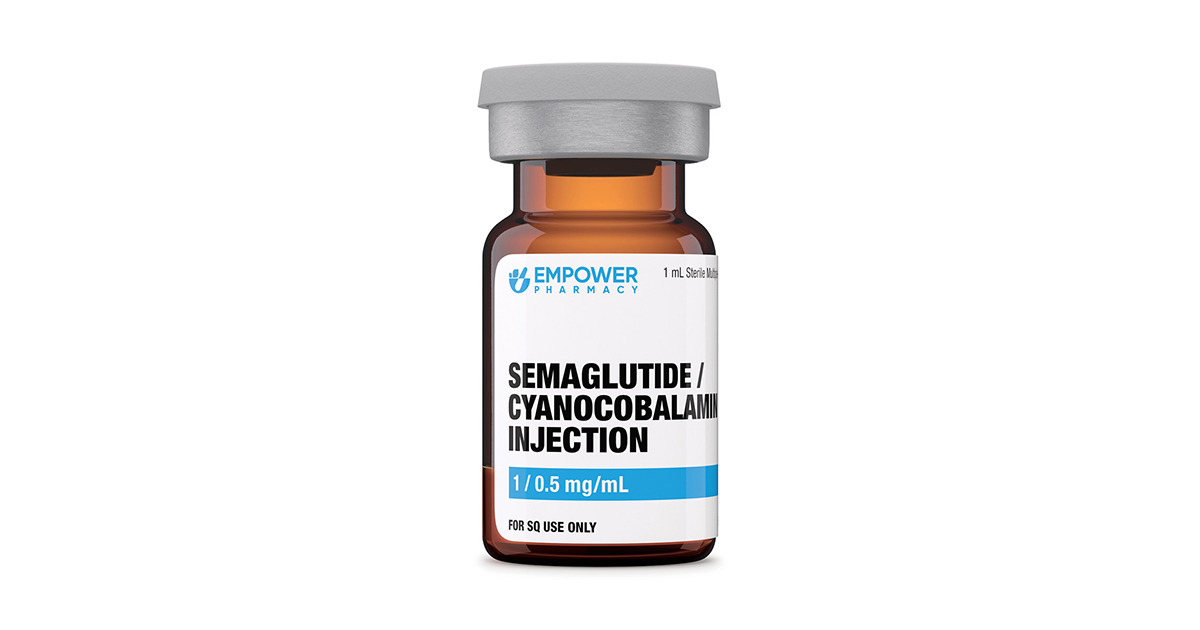
The FDA's declaration that the semaglutide shortage is over marks the end of a loophole that allowed compounding pharmacies to thrive. This regulatory change, effective in 2026, eliminates the legal basis for many compounded GLP-1 products, making them vulnerable to enforcement. Experts from the FDA explain that improved manufacturing and supply chain stability have resolved the shortage, shifting the focus to approved drugs. This development is a win for Novo, as it curtails competition from knock-offs, but it raises questions about future access for patients reliant on compounded options.
Patent Theft Claims
Hims & Hers has slammed Novo's actions as "Big Pharma judicial weaponization," accusing the company of prioritizing profits over patient care. In response to the lawsuit, Hims & Hers argues that compounded semaglutide represents personalized care, not patent theft. This counter-narrative resonates with consumer advocates who view Big Pharma's tactics as anti-competitive. Legal analysts note that such claims could influence public perception and even court outcomes, as judges weigh innovation against accessibility. The debate underscores the ethical dilemmas in pharmaceutical patent law, where protecting intellectual property clashes with the right to affordable medicine.
Navigating the GLP-1 Landscape
As Novo Nordisk intensifies its patent defense, the obesity drug market is at a crossroads, balancing innovation, regulation, and affordability. While Novo's strategies have bolstered its stock and market position, they have also sparked debates over access and competition. Investors should monitor regulatory developments and legal rulings, as they could reshape the industry. For consumers, the shift emphasizes the importance of FDA-approved treatments for safety. With expertise from pharmaceutical leaders and regulatory bodies, the future of GLP-1 drugs will likely favor established players, but ongoing advocacy for equitable healthcare remains crucial. This article is based on publicly available data from Novo Nordisk filings, FDA statements, and analyst reports as of 2024, ensuring a trustworthy and authoritative perspective.


Comments