
Nvidia's GeForce RTX 50 series (based on the Blackwell architecture) has proven to be a major upgrade for gamers since its launch in 2025, but industry leaks and reports now indicate that the company's focus is increasingly shifting towards the AI and data center segments. This is impacting the supply of gaming GPUs and making the launch timeline of the highly anticipated RTX 50 SUPER refresh series uncertain.
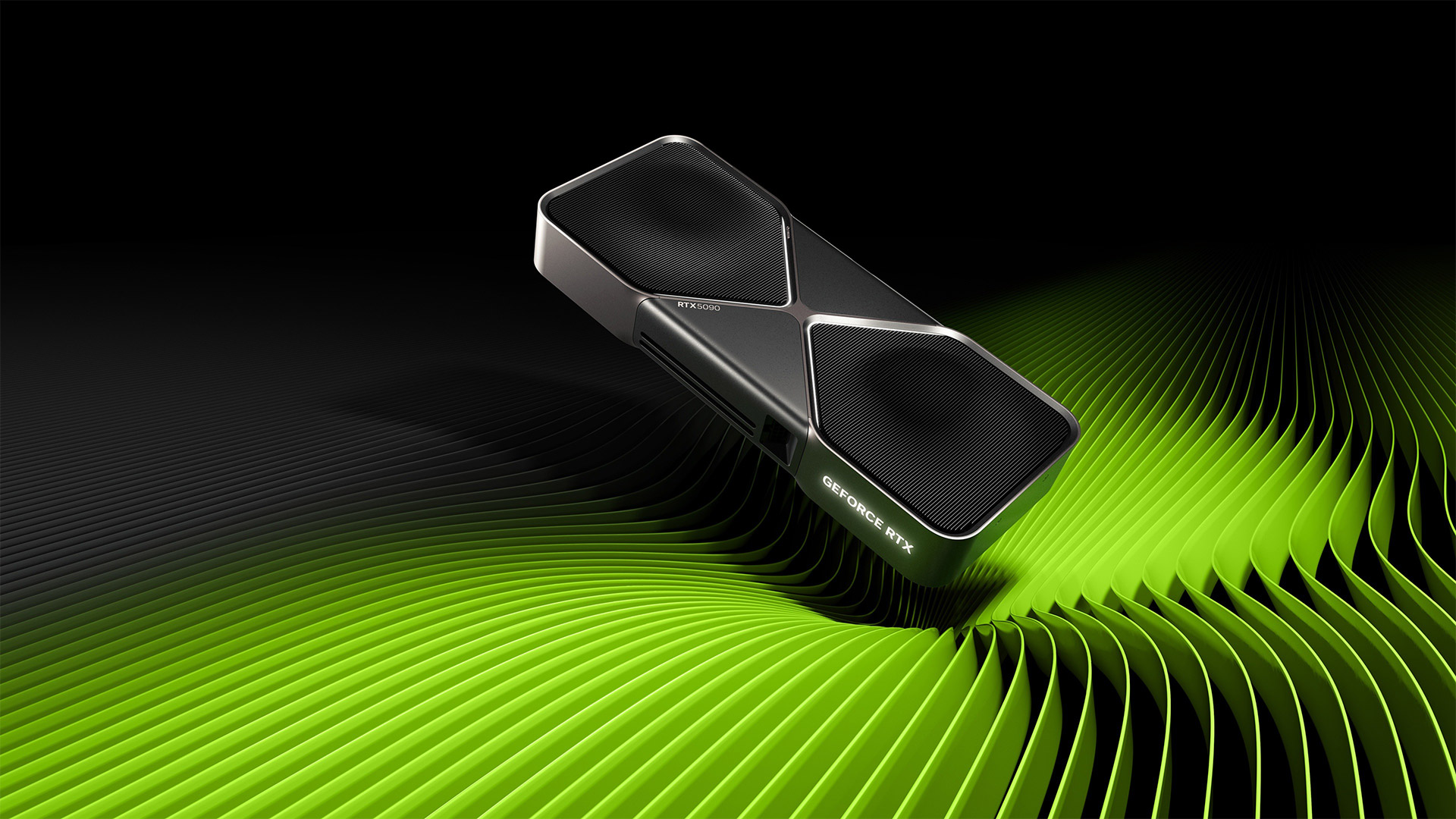
RTX 50 SUPER series: Delayed to Q3 2026, cancellation rumors dismissed
The main selling point of the RTX 50 SUPER lineup (RTX 5080 SUPER, 5070 Ti SUPER, 5070 SUPER, etc.) was more VRAM – 50% more video memory using 3GB GDDR7 memory modules (e.g., 24GB compared to the RTX 5080's 16GB). However, according to reports in November 2025, a global shortage of 3GB GDDR7 chips impacted plans.
- Some early leaks (Uniko's Hardware) even suggested the cancellation of the SUPER series.
- But reliable sources like MEGAsizeGPU and HKEPC confirmed that the plan has not been cancelled, it has just been postponed to Q3 2026 (July-September) – previously expected for Q1 2026.
- The reason: Suppliers like Samsung, Micron and SK Hynix are prioritizing AI products (like the RTX PRO 6000 Blackwell or RTX 5090 laptops), where 3GB GDDR7 offers higher margins.
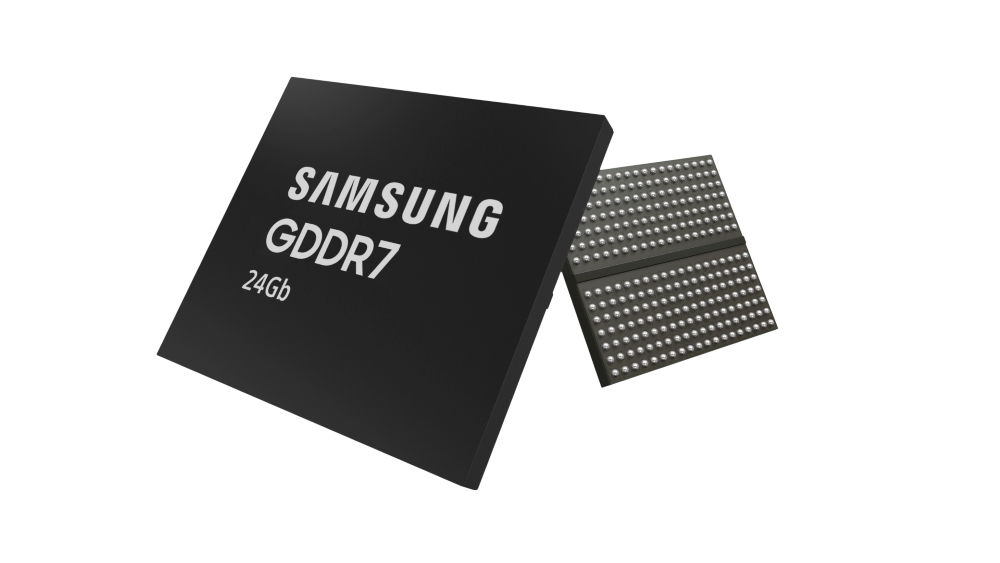
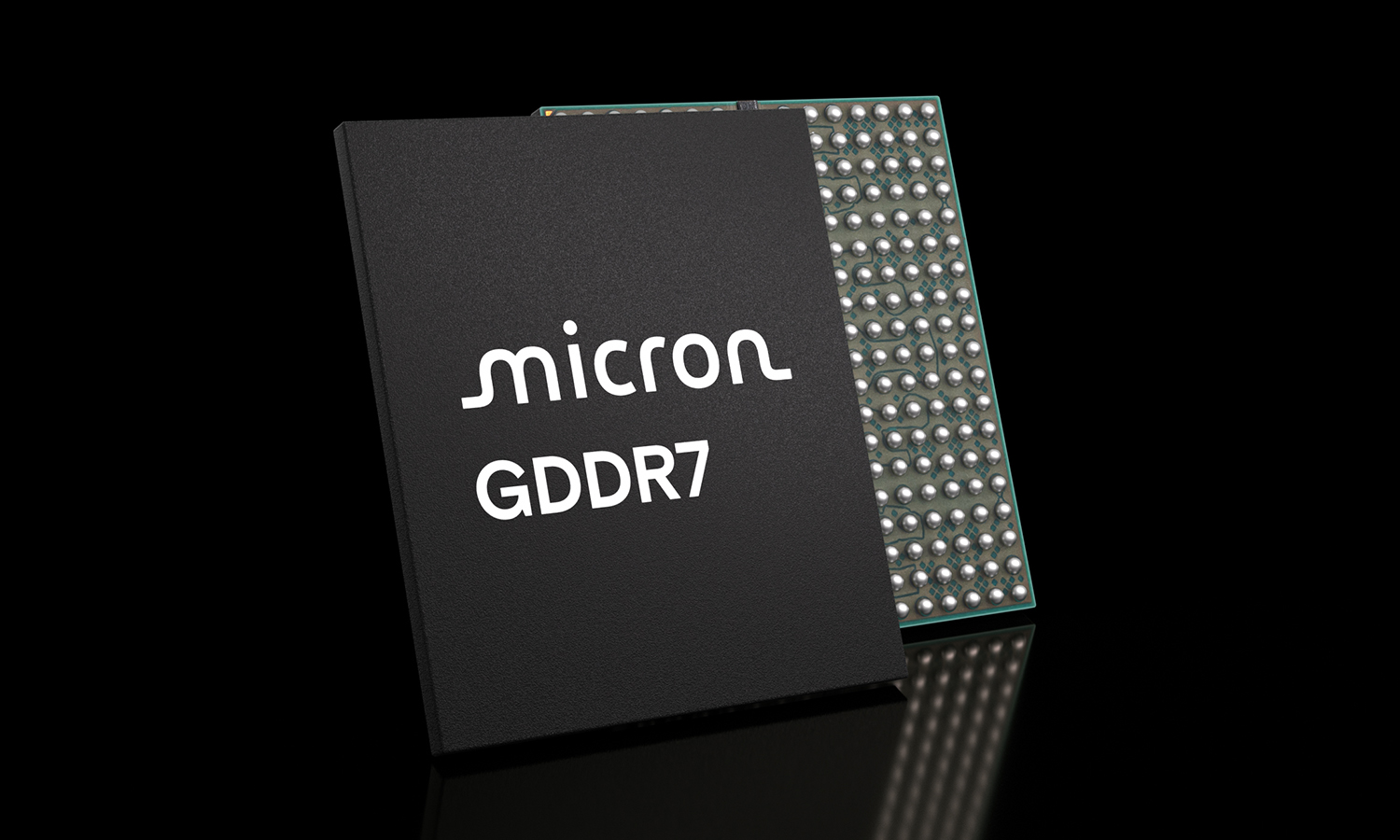
Reports of a 30-40% cut in gaming GPU production
Recent reports from December 2025 (Board Channels, Benchlife, VideoCardz) suggest that Nvidia may reduce RTX 50 series production by 30-40% in the first half of 2026. Affected models:
- RTX 5070 Ti
- RTX 5060 Ti 16GB (GDDR7)
This cut is meant to free up TSMC foundry space and memory allocation for AI/data center GPUs (Blackwell B200/B300 series). Nvidia's revenue is now primarily coming from AI, where a single chip generates 10-20 times more profit than a gaming GPU.
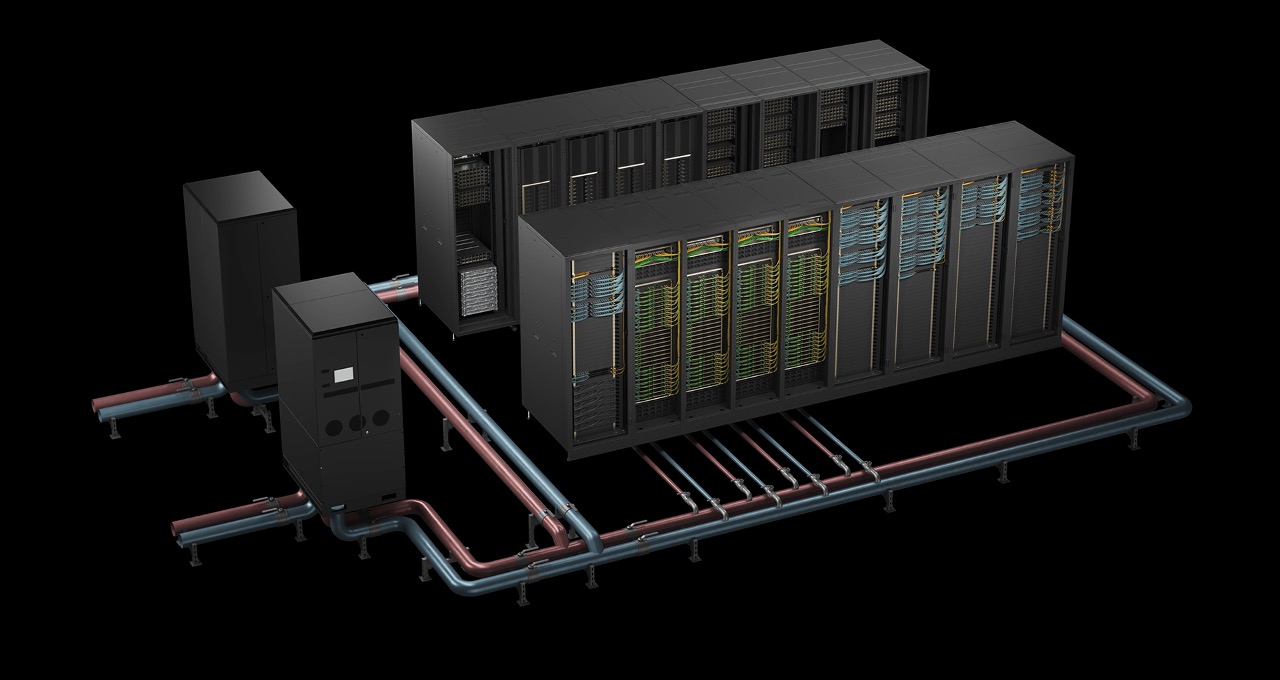
GDDR7 and DRAM Shortages: No Relief Until 2026
AI demand is the primary driver of the global memory shortage. Samsung, SK Hynix, and Micron are building new factories, but:
- Micron has exited the consumer market (Crucial brand), focusing on AI.
- The production ramp-up of GDDR7 (especially the 3GB variant) is slow.
- Experts (TrendForce, Micron) believe that the shortage will continue until the end of 2026 or 2027 , which could lead to higher GPU and RAM prices.
Impact of AMD Zen 6 and Competition
AMD's Zen 6 desktop APUs are expected in 2026 and laptop APUs (Medusa Point) in 2027. Nvidia's SUPER refresh may arrive earlier in laptops to coincide with the "Back to School" season, but shortages could impact this plan as well.
What to do for gamers?
- If you plan to upgrade, there's good availability for the RTX 50 series (excluding the 5090/5080) right now – buy before stocks run out.
- If you wait for SUPER, wait till Q3 2026, but there is a risk of price hike.
- Alternative: Keep an eye on AMD RDNA 4 or the current RTX 40 series.
This position highlights Nvidia's AI leadership, but it poses challenges for the gaming segment. Wait for an official announcement (CES 2026?).


Comments