

Keller City Council during the January 6, 2026 meeting where they approved a revised resolution. (Photo: Maria Crane | Fort Worth Report)
The Keller City Council has backed away from an explicit ban on Sharia law, unanimously approving a toned-down resolution on January 6, 2026, that reaffirms the U.S. and Texas constitutions as the "sole sources of legal authority" in the Fort Worth suburb.
The move comes after weeks of controversy surrounding Mayor Armin Mizani's initial push for a stronger stance against foreign legal systems, including Sharia—the Islamic moral and religious code.
From Proclamation to Revised Resolution
In December 2025, Mayor Mizani issued a proclamation explicitly rejecting Sharia law and Sharia courts, declaring that Keller would be governed solely by American law. He described it as the "first step" toward codifying such principles.
By early January 2026, Mizani proposed a council resolution that originally included direct language stating Keller "shall not recognize sharia law, sharia courts or any foreign legal system."
However, just before the January 6 meeting, the draft was revised to remove all explicit mentions of Sharia, focusing instead on "constitutional governance and equal application of the law."
The final resolution states that the U.S. and Texas constitutions are the sole authorities for municipal affairs, housing, property rights, and dispute resolution in Keller.

Council members listen to public comments on the resolution. (Photo: Fort Worth Report)
Backlash and Broader Context
The original proposal drew criticism from Muslim community leaders, who called it unnecessary and divisive. Mujeeb Kazi, president of the North Texas Islamic Council and a Keller resident, expressed relief over the changes, saying the explicit references had created fear.
"It's all untrue, it’s like a boogeyman," said another local Muslim resident after the meeting. "We’re all law-abiding citizens, we hold the Constitution above any other law."
The issue gained traction amid statewide Republican concerns over "Sharia compounds," particularly the controversial proposed Muslim-centric development formerly known as EPIC City (now The Meadow) in Collin County.
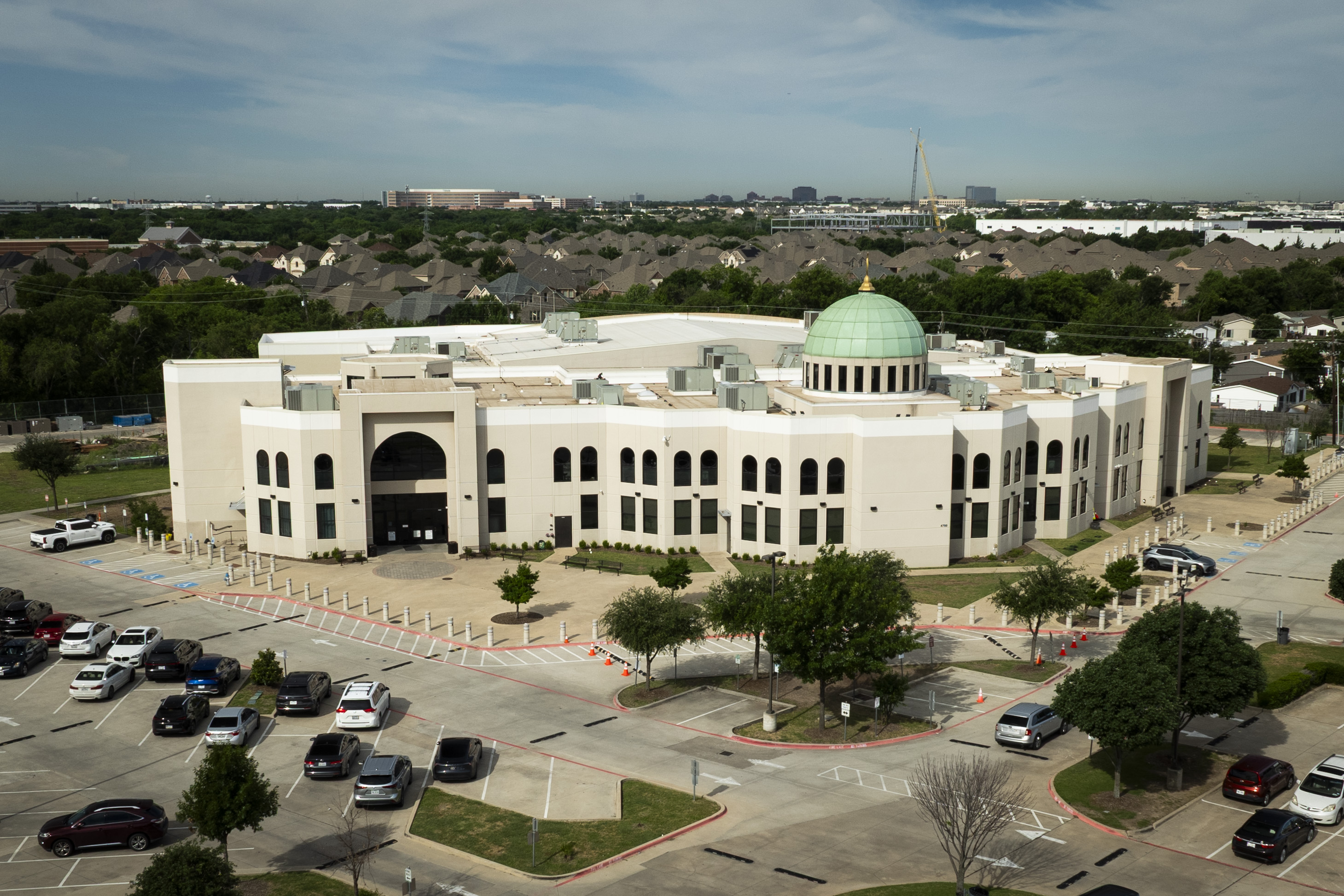
The East Plano Islamic Center mosque tied to the EPIC City/The Meadow project, which fueled anti-Sharia sentiments in Texas. (Photo: KERA News)
In September 2025, Gov. Greg Abbott signed a law aimed at preventing such developments from imposing religious restrictions or foreign laws, though it does not mention Sharia explicitly.
Mayor Mizani, who is campaigning for a Texas House seat in the March 2026 Republican primary, had linked his initiative to preventing exclusive religious developments.
Public Reaction and Council Decision
During the council meeting, residents spoke both for and against the resolution. The unanimous approval of the revised version was described as ceremonial.

Keller City Council in session. (Photo: Fort Worth Report)
Critics argue the original push played into Islamophobic narratives, while supporters see it as reaffirming American legal supremacy.
No direct threats of Sharia implementation have been reported in Keller, a suburb of about 50,000 people in Tarrant County.
The debate highlights ongoing tensions in Texas over religious freedom, immigration, and cultural integration.


Comments