
Imagine pulling up to your garage and "filling up" your car with fuel you made yourself—right at home, from nothing but the air outside and a bit of electricity. No gas station runs, no oil drills, no geopolitical drama over petroleum. That's the promise of
Loading...
As of early 2026, Aircela is pushing forward with plans for limited commercial rollout later this year. Their refrigerator-sized device has already been demonstrated publicly, producing drop-in gasoline that's chemically identical to the stuff from pumps—but cleaner, fossil-free, and potentially carbon-neutral when powered by renewables.


How Does This Wizardry Actually Work?
The process is a clever mashup of established technologies, packaged into one modular unit:
- Carbon Capture: The machine sucks in ambient air and uses a potassium hydroxide (KOH) solution to grab CO₂. The solution is recycled, keeping things efficient and low-waste.
- Hydrogen Production: Water is split via electrolysis (powered by electricity—ideally solar or wind) to produce hydrogen, releasing oxygen back into the air.
- Synthesis: The captured CO₂ and hydrogen combine to form methanol.
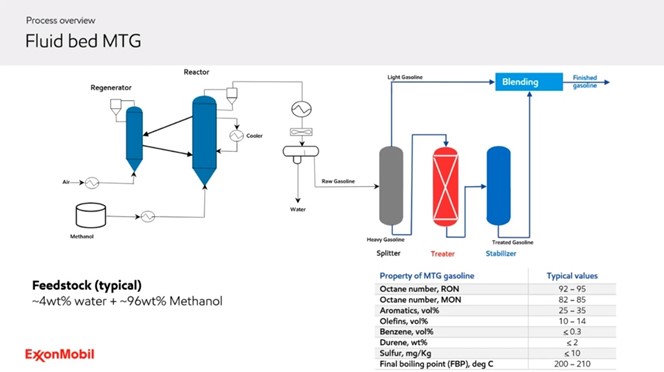
- Upgrade to Gasoline: Through the proven methanol-to-gasoline (MTG) process, that methanol is catalytically converted into high-quality gasoline (around 90-95 octane, sulfur-free, and ethanol-free).
Each unit produces about one gallon per day at full operation, capturing roughly 10 kg of CO₂ in the process. It's not going to fuel a cross-country road trip overnight, but cluster hundreds of these like a solar farm, and you're talking serious scale.
Here's a simplified diagram of the methanol-to-gasoline step:

Why This Matters in a World Obsessed With EVs
While batteries and electric vehicles grab most headlines, over 90% of the world's vehicles still run on internal combustion engines. Aircela's fuel slots right in—no new cars, no massive charging infrastructure, no range anxiety for long-haul trucks or planes (where electrification is tougher).
If run on clean electricity, it's effectively carbon-neutral: The CO₂ released when you burn it is the same CO₂ that was pulled from the air to make it. It's a closed loop that could bridge the gap to full decarbonization without stranding trillions in existing assets.
Of course, challenges remain—energy efficiency (targeting over 50%), upfront costs, and scaling production. But with public demos in 2025 and commercial plans for 2026, this isn't vaporware.
A Hybrid Path to Net Zero?
Aircela isn't saying ditch EVs; they're offering an alternative (or complement) for hard-to-electrify sectors. In a world racing toward sustainability, innovations like this remind us there might be more than one road forward.
If you're intrigued, keep an eye on Aircela's progress. This could be one of those rare techs that actually lives up to the hype—turning thin air into a thicker wallet for
Complete Step 1 first...
What do you think—game-changer or niche player? The future of fuel just got a lot more interesting.


Comments